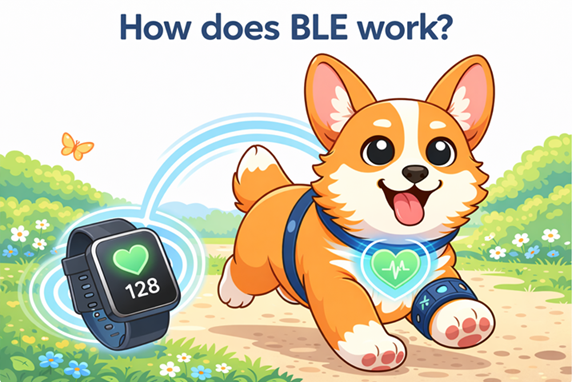
Bluetooth Low Energy advertising and connections sit at the core of how modern wireless devices communicate. From smart sensors and wearables to digital beacons and home automation, BLE advertising and connections allow devices to discover each other quickly while preserving battery life.
In 2025, the industry continues to refine how these mechanisms are used, but the fundamentals remain central to reliable and low power Bluetooth communication.
How BLE advertising works
BLE advertising is the process by which a device announces its presence. A peripheral device sends out small advertising packets that can be received by any nearby central device such as a smartphone or gateway.
These packets are broadcast without forming a connection. A central can ignore them, use the information immediately, or decide to connect for further data exchange. This approach is what makes BLE advertising essential for beacons, which rely entirely on advertising without ever accepting connections.
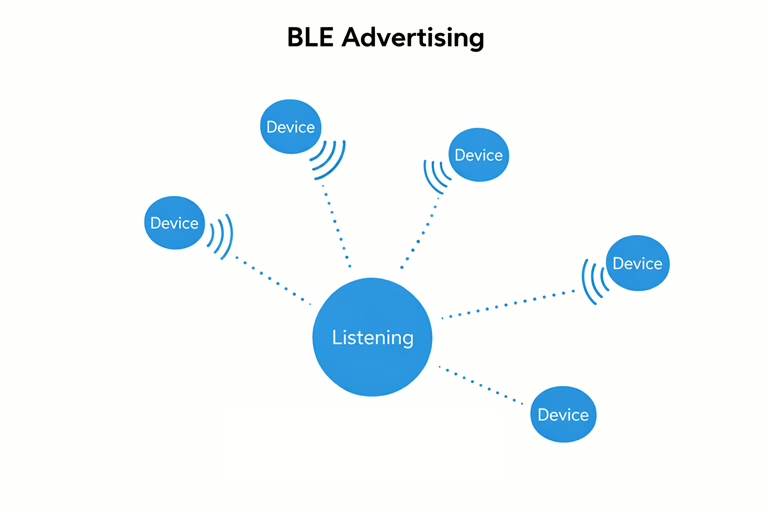
Advertising is always one way. The peripheral speaks and nearby devices listen. A single peripheral can advertise to many centrals at the same time, but no data can be sent back until a BLE connection is established.
Advertising channels and data channels
BLE operates in the 2.4 GHz radio band and divides it into 40 channels. Three of these channels, numbered 37, 38 and 39, are dedicated to BLE advertising. They are deliberately spaced across the spectrum to reduce interference from Wi Fi, Classic Bluetooth and other wireless devices.
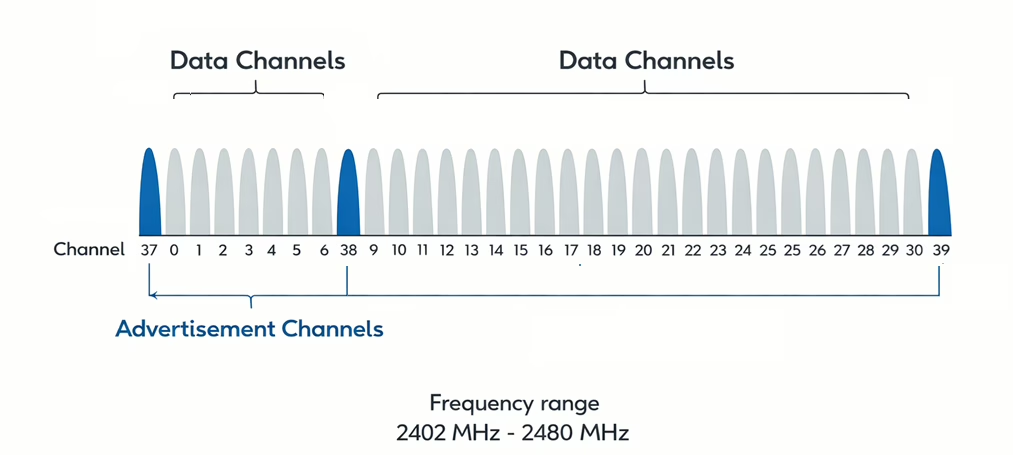
When a device is advertising, it sends the same packet across all three advertising channels in sequence. This increases the chances that at least one packet is received successfully. Once a connection is formed, communication moves away from the advertising channels and onto the remaining 37 data channels.
Advertising intervals and packet size
Advertising packets are sent at configurable intervals ranging from 20 milliseconds to just over 10 seconds. Short intervals improve discoverability and lead to faster connections but consume more power. Longer intervals reduce energy usage but can delay connections.
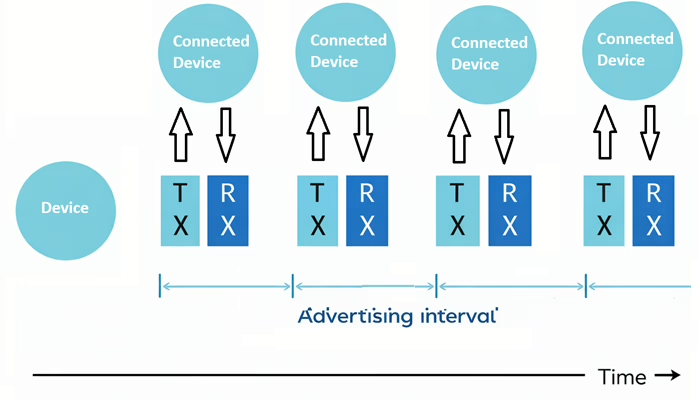
To avoid repeated packet collisions between devices using the same interval, a small random delay is added to each advertising event. This improves reliability in busy radio environments.
Each BLE advertising packet is small by design. The usable payload is limited to 31 bytes, encouraging developers to transmit only essential information such as identifiers, service UUIDs or device names.
From advertising to connection
BLE advertising and connections are tightly linked. A connection can only begin after a central device receives an advertising packet and decides to initiate communication.
Once connected, both devices switch to two way data exchange. They agree on a connection interval that defines how often they wake up to send and receive data. Between these connection events, the radios are powered down, which is key to BLE’s low energy performance.
Data is transmitted using channel hopping across the data channels, improving reliability and helping avoid interference. Packets are acknowledged and retransmitted if necessary, ensuring that data arrives intact.
Why BLE advertising and connections matter
The balance between advertising frequency, packet size and connection timing directly affects user experience and battery life. Aggressive advertising enables fast connections, while conservative settings allow devices to run for years on small batteries.
As Bluetooth Low Energy continues to evolve under the stewardship of Bluetooth Special Interest Group, BLE advertising and connections remain the foundation that allows billions of devices to communicate efficiently and reliably.