Tiny robots that mimic bees, jellyfish and even cockroaches are moving from science fiction to science fact. Backed by DARPA, the US military’s research agency, these creations could one day transform search-and-rescue missions, environmental monitoring and even warfare. But as with much new technology, the promise comes with serious challenges.
From lab bench to lifelike flight
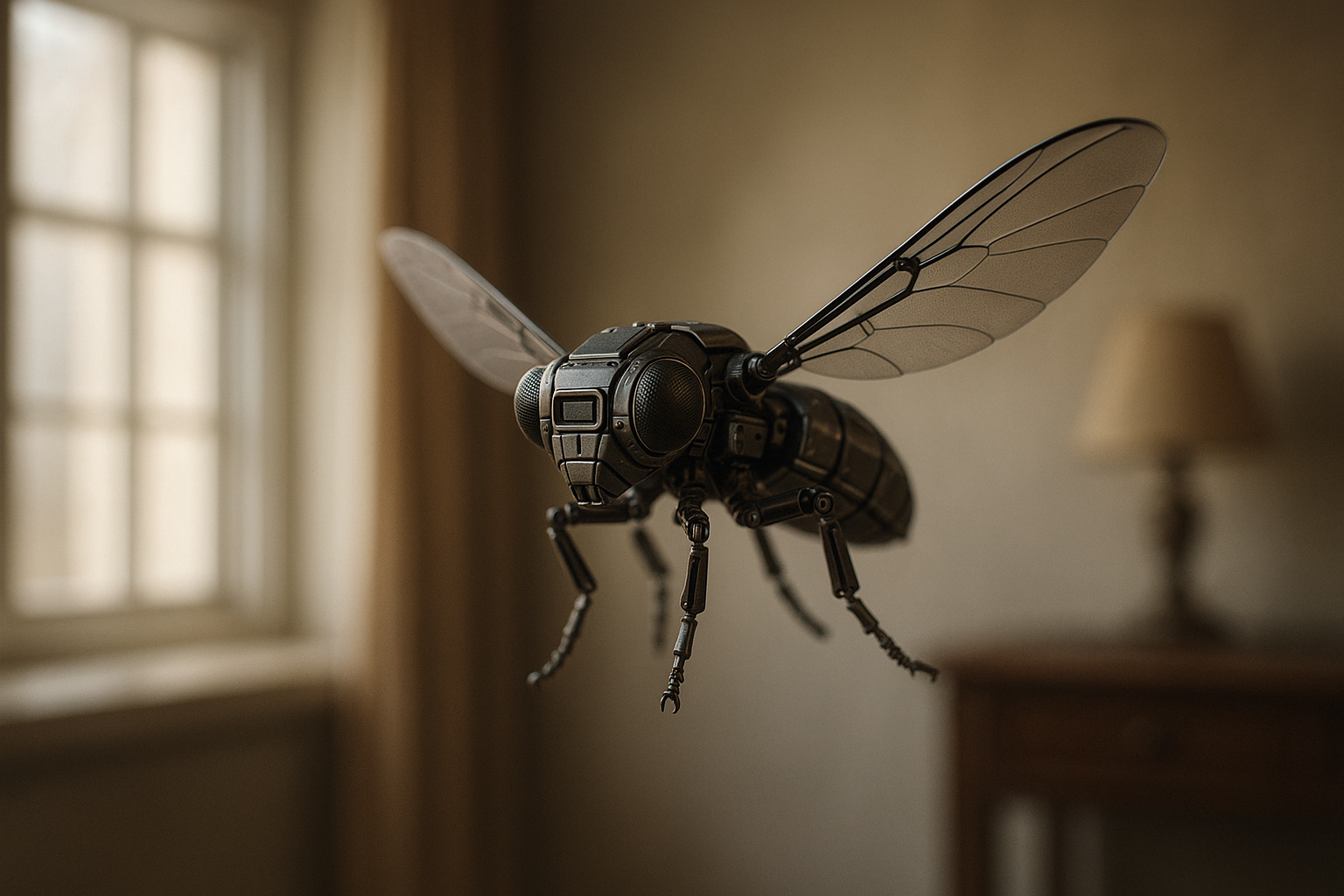
One of the best-known examples is the RoboBee, developed at Harvard. It weighs less than a tenth of a gram yet manages to flap its delicate wings hundreds of times per second. The secret lies in piezoelectric actuators—devices that convert electrical energy into precise wing beats. The result is a robot that can hover and dart with the agility of a real insect.
Beneath the waves
Engineers are also looking to the sea for inspiration. The robo-jellyfish, created with DARPA and US Navy funding, moves almost silently through water by pulsing artificial muscles powered by hydrogen and oxygen fuel. The technology could be used to monitor coastlines or ports without disturbing marine life—or alerting human eyes.
On the ground
Meanwhile, at UC Berkeley, scientists have built a cockroach-inspired robot known as DASH. Small, quick and remarkably tough, it can scuttle across floors in the scrambling gait of its biological counterpart. In tests, it has survived crushing forces that would destroy most machines, making it a candidate for disaster zones where sturdiness is essential.
Why these robots matter
Supporters say microrobots could go where people and even conventional drones cannot. Imagine fly-sized machines searching through collapsed buildings for survivors after an earthquake, or swarms of robo-jellyfish quietly tracking pollution in coastal waters. In military settings, their natural movements and tiny scale could allow them to blend in, collecting intelligence unnoticed.
Their potential is vast: cheaper to produce in large numbers than traditional drones, small enough to reach inaccessible spaces, and versatile enough to operate in the air, on land or under water.
Big challenges for tiny machines
For all the excitement, major hurdles remain. Power is one of the toughest problems: batteries are often too heavy or too short-lived for long missions, and alternative fuel systems are still experimental. Autonomy is another obstacle. Teaching such small machines to make decisions, avoid obstacles and work together in swarms requires sophisticated AI. Durability is equally important—real-world conditions such as wind, water currents or debris can quickly damage delicate prototypes.
Risks beyond engineering
The ethical questions are just as pressing as the technical ones. If these robots rely on AI, they risk inheriting the same biases found in the data used to train them. That could lead to flawed or discriminatory behaviour if deployed in surveillance or combat. There are also concerns about privacy, with insect-like robots capable of monitoring people without their knowledge.
Accountability is another issue. If swarms of robots are misused, who takes responsibility—the developer, the operator, or the military? Critics warn the technology could also lower the threshold for conflict, in the same way that drones have changed modern warfare.
What the future holds
For now, insect-inspired robots remain experimental. But DARPA has a track record of turning ambitious projects into practical tools—from the early internet to GPS. That history makes many observers believe it is only a matter of time before fly-sized robots leave the lab and enter the real world.
When they do, they could open up extraordinary new possibilities—but also force us to grapple with difficult questions about how far we are willing to let machines inspired by nature shape the way we live, and the way we fight.