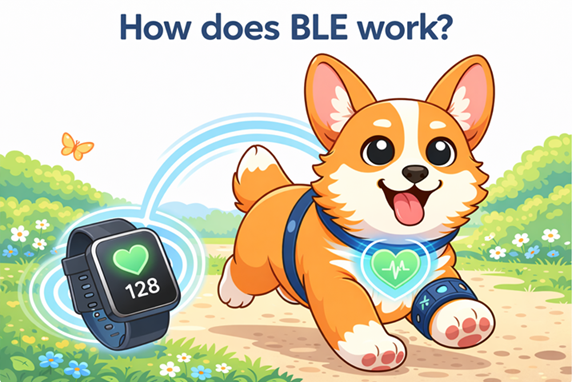
Bluetooth Low Energy, usually shortened to BLE, is a wireless technology designed to let devices communicate while using as little power as possible. It’s the technology behind fitness trackers, smart sensors, item-finding tags, and many smart home devices. Even though it shares the word “Bluetooth” with headphones and speakers, it works in a very different way.
This guide explains how does BLE bluetooth work in clear, plain language, with no technical background required.
What Bluetooth Low Energy is designed to do
BLE was created for devices that need to run for a very long time on a very small battery. Instead of staying connected constantly, a BLE device spends most of its life asleep. Every so often, it wakes up briefly, sends or receives a small amount of information, and then goes back to sleep again.
Because the radio is only switched on for tiny moments, the device uses very little energy overall. This makes BLE ideal for gadgets that are hard to recharge or replace, such as sensors hidden in walls, wearable devices, or tags attached to keys or bags.
How BLE differs from classic Bluetooth
Both BLE and classic Bluetooth use the same 2.4 GHz radio band, which is shared by lots of everyday technologies. However, they are built for different purposes.
Classic Bluetooth is designed for continuous data, such as streaming music or making phone calls. It keeps a connection open so data can flow smoothly. BLE, on the other hand, is designed for short, occasional updates. It’s much better at sending small bits of information, like a heart rate reading or a temperature value, without draining the battery.
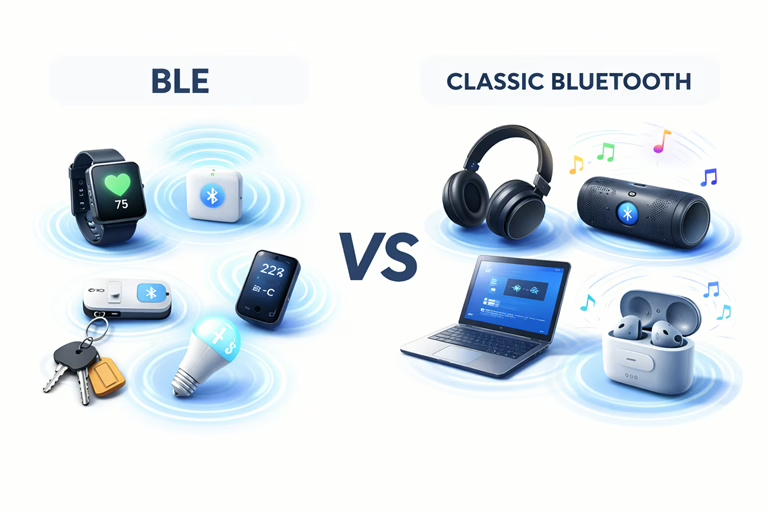
Most modern devices, especially smartphones, support both types at once, which is why they can connect to headphones and low-power sensors at the same time.
The core idea behind how BLE Bluetooth works
At its heart, BLE is about doing less, more efficiently.
A BLE device normally stays inactive to save power. When it does wake up, it either announces its presence or communicates with another device. These two actions are called advertising and connecting, and almost everything BLE does is built on top of them.
By limiting how often these actions happen and keeping them very short, BLE achieves its low power use.
Advertising: how BLE devices announce themselves
Advertising is how a BLE device says “I’m here”. It sends out very short radio messages that nearby devices, like phones or tablets, can listen for.
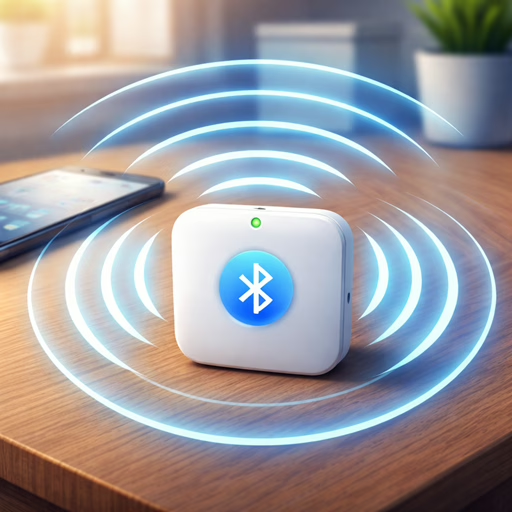
These messages help devices discover each other, which is why your phone can show a list of nearby Bluetooth devices. Advertising can also carry small pieces of information without any connection being made. This is how BLE beacons work, broadcasting simple messages that any nearby device can read.
BLE uses three special radio channels for advertising and repeats messages at regular intervals. This improves reliability while still keeping power use low.
Connections: exchanging data when needed
When more detailed communication is required, devices form a connection. In most cases, a phone acts as the central device, while the smaller gadget, such as a sensor or wearable, acts as the peripheral.
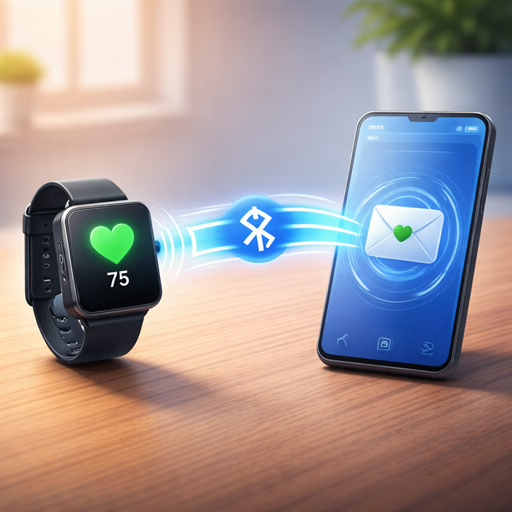
Once connected, the devices exchange data in short bursts at agreed times. Between these moments, the peripheral can sleep, which helps preserve battery life. This design deliberately places more responsibility on the phone, which usually has a much larger battery.
Why BLE devices last so long on batteries
BLE’s excellent battery life comes from careful timing. Devices only wake up when necessary and stay active for as short a time as possible.
Even when connected, a small device doesn’t have to respond every time. If it has nothing new to report, it can skip check-ins and remain asleep. This approach allows many BLE devices to operate for months or even years without needing a battery change.
How BLE organises information
When BLE devices exchange data, they use a simple, structured approach. Information is grouped into services, which describe a general feature, such as battery information or heart rate monitoring.
Inside each service are characteristics, which are individual values, like the current battery percentage or the latest heart rate reading. This structure makes it easy for apps to understand what information a device offers and how to access it.
A clear summary of how does BLE Bluetooth work
Bluetooth Low Energy works by keeping devices asleep most of the time and only waking them briefly to send or receive small amounts of data. Devices advertise to be discovered, connect only when two-way communication is needed, and organise their data in a simple, predictable way.
This focus on short messages, careful timing, and minimal radio use is what allows BLE to power so many modern connected devices without draining their batteries.