Elon Musk has defended his request for a record-breaking $1 trillion (£820 billion) pay package from Tesla, arguing that his motivation is not money but maintaining control over the company’s rapidly expanding artificial intelligence and robotics ambitions.
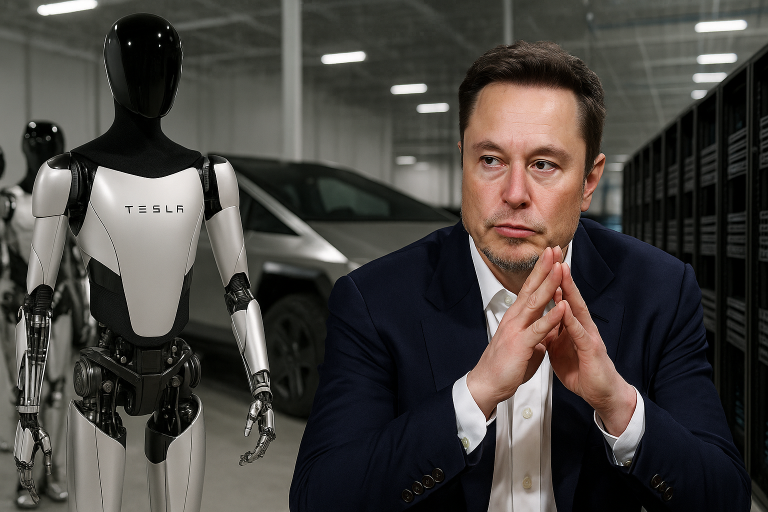
Speaking during Tesla’s latest earnings call, the world’s richest man said he felt “uncomfortable” building what he described as a “robot army” without a guarantee of long-term influence within the company.
Musk’s comments follow opposition from proxy advisory firms ISS and Glass Lewis, which urged investors to reject the plan. The Tesla chief retaliated by calling them “corporate terrorists”, accusing the firms of trying to undermine both his leadership and Tesla’s future direction.
The $1 Trillion Proposal
The proposal, which will go to a shareholder vote in November, would grant Musk up to $1 trillion in stock options if Tesla reaches a series of ambitious performance targets, including growing the company’s market value to around $8.5 trillion, more than five times its current size.
Tesla’s board has said the plan is designed to “retain and incentivise” Musk at a “critical inflection point” for the company, as it transitions from electric vehicles to a broader focus on AI, robotics and autonomous transport.
Musk, whose personal fortune is estimated at more than $450 billion, insists the package is not about enriching himself. “It’s called compensation, but it’s not like I’m going to go spend the money,” he told investors. “If we build this robot army, I want to have at least a strong influence over it. Not total control, but strong influence.”
What Does Musk Mean by a ‘Robot Army’?
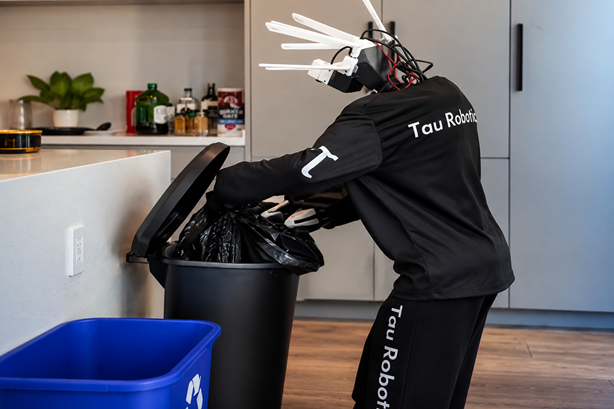
The “robot army” refers to Tesla’s growing efforts in robotics and automation, particularly its humanoid robot, Optimus. Originally showcased as a prototype in 2021, Optimus is being developed to perform repetitive or dangerous tasks in factories and, eventually, in homes.
Tesla is also investing heavily in autonomous robotaxis and its powerful in-house AI supercomputer, Dojo. Musk has repeatedly claimed that these technologies could one day eclipse the company’s car business in value.
Critics, however, warn that Musk’s framing of a “robot army” highlights the potential ethical and safety risks of concentrating power over such advanced systems in the hands of one individual.
Tesla’s Defence
Tesla’s Chief Financial Officer, Vaibhav Taneja, told investors that Musk would only receive the stock awards if shareholders see “substantial returns”. “The plan ensures Elon gains nothing unless our investors gain first,” he said.
Taneja urged shareholders to support the proposal, arguing that it is vital for maintaining Tesla’s momentum in AI and robotics innovation.
A Battle Over Control
Musk’s outburst has reignited debate about corporate governance and executive power at Tesla. While some shareholders view his vision as essential to Tesla’s success, others fear the proposed package hands too much influence to one man.
By tying his pay to AI-driven growth, Musk is effectively making his control over Tesla synonymous with its future direction. Whether shareholders agree that such dominance is necessary will become clear when they cast their votes next month.