This beginners guide to sensors introduces the basic ideas behind how robots and smart devices understand the world around them. Sensors are a fundamental part of modern technology, from smartphones and cars to robots and industrial machines. In simple terms, a sensor is a device that detects something in the real world and turns it into electrical information that a computer can use.
Humans rely on senses like sight and touch to make decisions. Robots work in a similar way, but instead of eyes and skin, they use sensors to gather information about their surroundings.
Why Sensors Are Essential
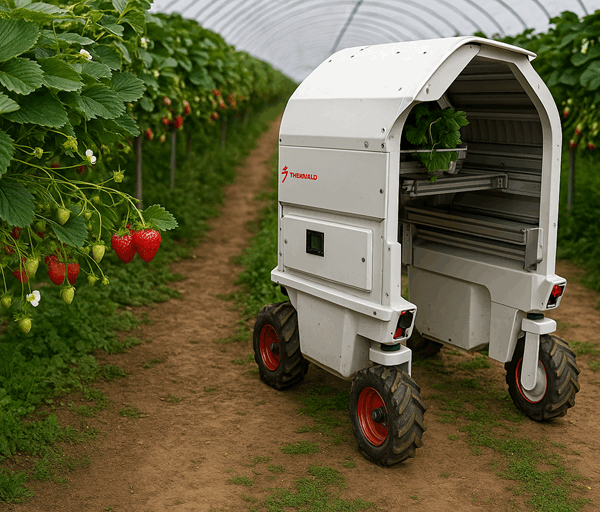
Without sensors, a robot would not know where it is, what is nearby, or what is happening around it. Sensors allow robots to detect obstacles, measure movement, recognise objects and respond safely to changes in their environment. Every action a robot takes is based on information provided by one or more sensors.
This is why sensors are often described as the starting point for intelligent behaviour in machines.
How Sensors Collect Information
Sensors work by detecting physical changes such as light, sound, heat, pressure or motion. These changes are converted into electrical signals, which are then processed by a computer or controller. The system uses this data to decide what to do next, such as stopping, turning, speeding up or gripping an object.
Different sensors are designed for different types of information, so there is no single sensor that does everything.
Common Types of Sensors
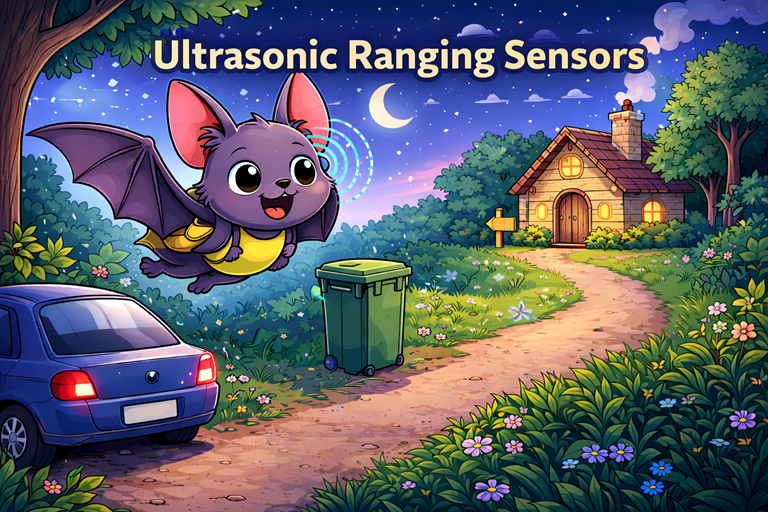
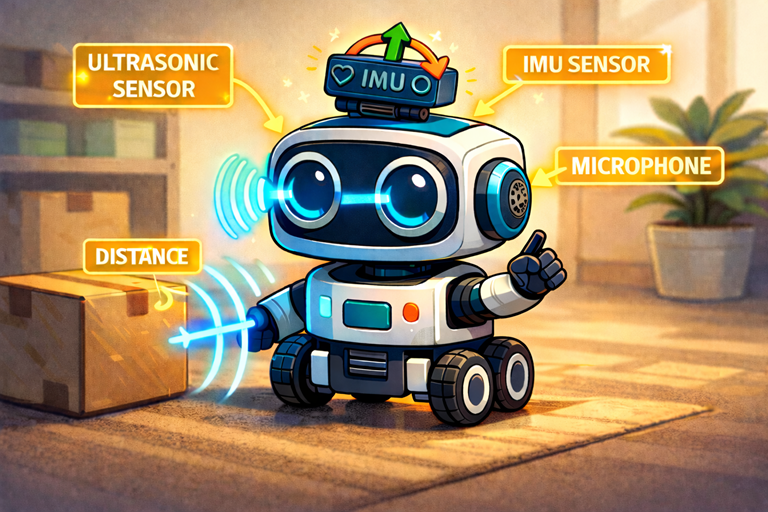
Distance and proximity sensors help robots detect objects nearby and estimate how far away they are. Touch sensors measure pressure or force and give robots a sense of contact.
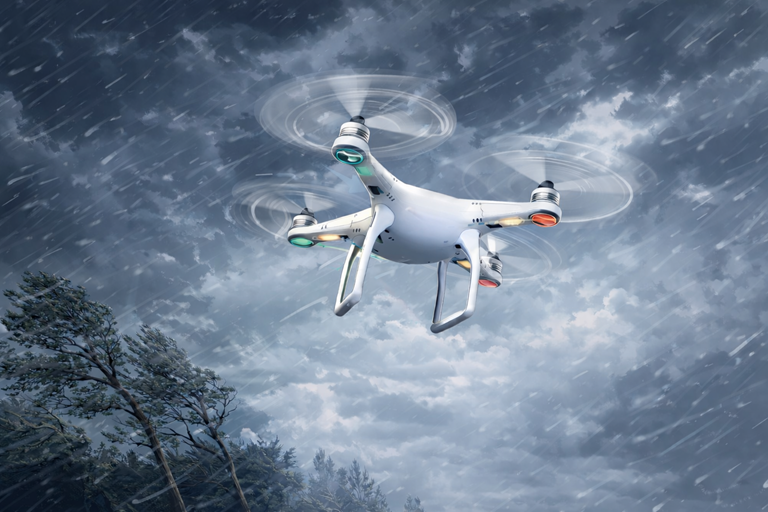
Motion sensors measure acceleration and rotation, helping robots balance and navigate. Vision sensors, such as cameras, allow robots to see their environment and recognise objects. More advanced systems can even measure depth and build 3D maps.
Sensors in Everyday Life
This beginners guide to sensors applies far beyond robotics. Sensors are used in traffic lights, automatic doors, heating systems and wearable devices. Understanding sensors is the first step to understanding how modern technology interacts with the real world.