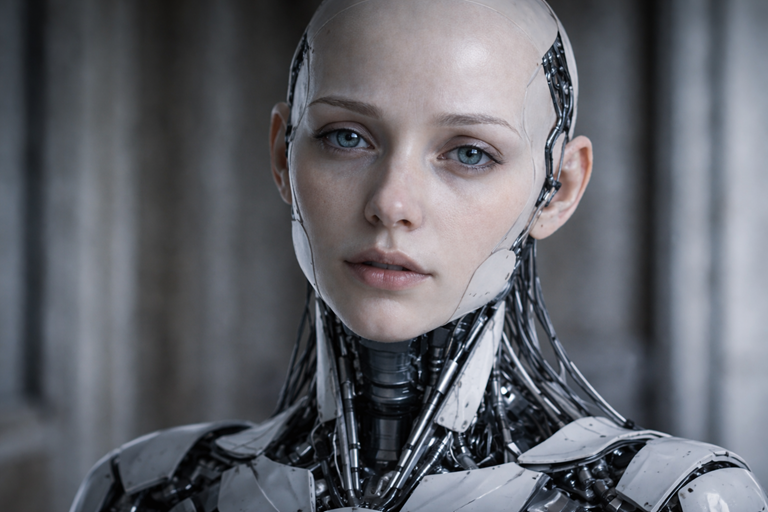
The uncanny valley is becoming harder to ignore as artificial intelligence plays a growing role in daily life. From hyper realistic AI generated faces to humanoid robots and digital avatars, technology is edging closer to convincingly replicating human appearance and behaviour. Yet for many people, this progress brings discomfort rather than reassurance.
What Is the Uncanny Valley
The uncanny valley describes the uneasy reaction people have to things that look almost human but fall just short. The term was introduced in the 1970s by Japanese roboticist Masahiro Mori, who observed that as robots became more humanlike, people responded more positively, up to a point. When realism increased further but remained imperfect, affinity dropped sharply. This emotional dip became known as the uncanny valley.
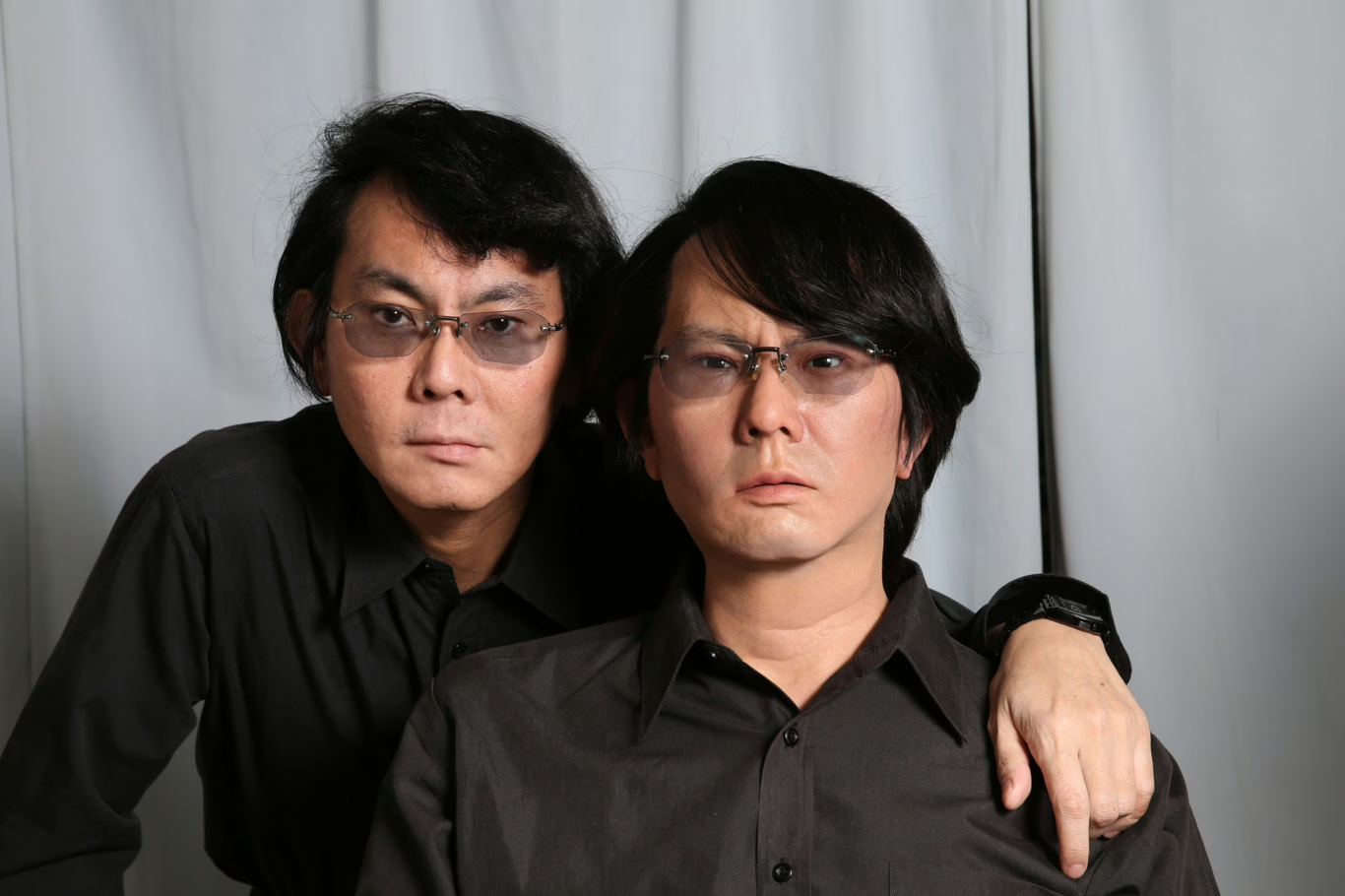
The effect is not limited to physical appearance. Voice, movement, facial expressions and behaviour all play a role. A digital face that blinks at the wrong moment or a robot that moves with slightly unnatural timing can quickly feel unsettling.
Why AI Images and Videos Trigger Unease
AI generated images and videos often land squarely in the uncanny valley. At first glance they may appear convincing, but closer inspection reveals subtle flaws. Eyes may seem lifeless, smiles can look forced, and skin textures often feel artificial. In video, small issues with lip movement or head motion can break the illusion entirely.
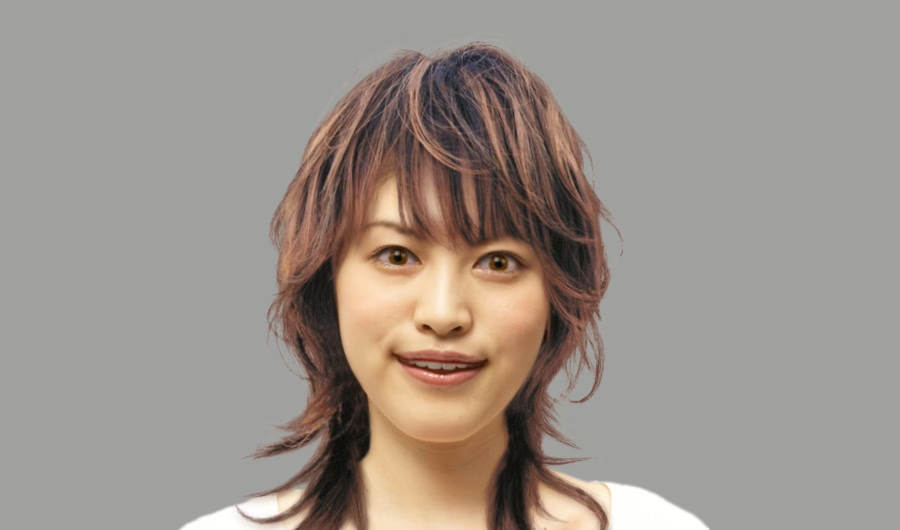
These imperfections matter because AI imagery is increasingly used in advertising, entertainment and online content. When people sense something is not quite right, trust is lost. In an era already concerned with deepfakes and misinformation, the uncanny valley adds another layer of doubt about what is real.
Robots and Human Interaction
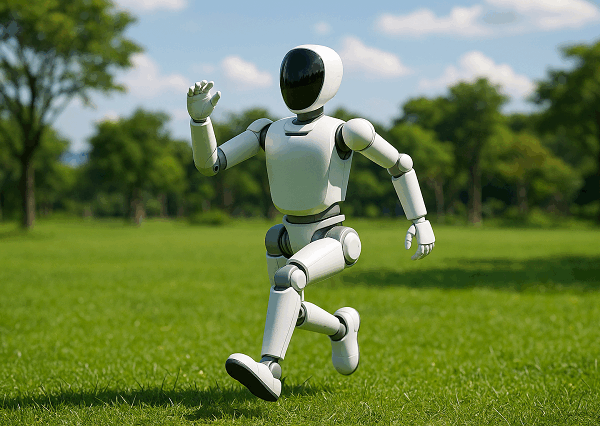
Humanoid robots face similar challenges. Machines designed for healthcare, education or customer service are meant to put people at ease. However, robots that look very human but fail to behave naturally can provoke anxiety, particularly among vulnerable users.
As a result, many designers now avoid extreme realism. Stylised faces or clearly mechanical features can feel friendlier than near perfect human replicas. This approach reflects a growing recognition that realism alone does not guarantee comfort.
Psychology Behind the Reaction
Researchers suggest the uncanny valley is rooted in human psychology. One theory links it to evolutionary instincts. Humans are highly attuned to signs of illness or abnormality in others. When something looks human but behaves oddly, the brain may interpret it as a potential threat.
Another explanation focuses on expectations. The more human something appears, the more we expect it to act like a human. When it fails to meet those expectations, the mismatch creates discomfort. Facial expressions and eye contact are especially powerful triggers.
Why the Uncanny Valley Matters
The uncanny valley is more than a design challenge. It has ethical and social consequences. If people feel manipulated or disturbed by AI systems, public trust in the technology may erode. This is particularly important in sectors such as healthcare, education and customer service, where reassurance and empathy matter.
Developers are now balancing technical capability with psychological impact. Some believe the uncanny valley will fade as AI improves. Others argue it will always exist, reflecting deep rooted aspects of human perception.
For now, the uncanny valley remains a reminder that successful AI is not just about realism, but about understanding how humans think, feel and react.