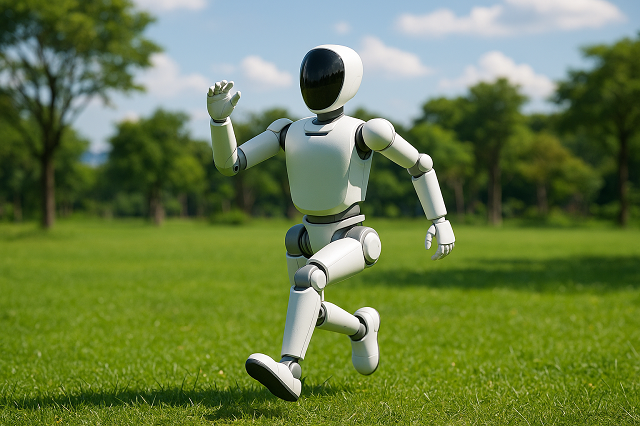
A Beijing start-up has revealed what it calls the world’s cheapest humanoid robot, priced at just $1,370 (£1,120). The Bumi, developed by Noetix Robotics, stands only 94cm tall but is being hailed as a major step in bringing humanoid robots out of laboratories and into homes and classrooms.
The company says Bumi is the first consumer-grade humanoid robot to cost less than ¥10,000, marking a new milestone in robotics affordability. While far smaller and simpler than industrial models, it is capable of walking, balancing and even dancing, at a price point closer to a smartphone than a factory robot.
Compact design, big ambitions
Weighing 12kg, Bumi runs on a 48-volt battery that lasts up to two hours per charge. It supports voice commands and drag-and-drop programming, allowing users, especially children and educators, to experiment with robotics without advanced technical knowledge.
Rather than competing with full-size robots from firms such as Unitree, UBTECH, or Tesla, Bumi represents a new category: a lightweight, educational robot designed for homes, schools and research labs.
Its affordable price is achieved through clever design choices, including lightweight composite materials, a simplified modular structure, and in-house motion-control systems. These allow Noetix to minimise costs without sacrificing core humanoid functions such as balance and coordinated movement.
From research to real life
Founded in September 2023 by graduates of Tsinghua University and Zhejiang University, Noetix has moved rapidly from research to commercialisation. The company first drew attention with its earlier model, the Noetix N2, which received over 2,500 pre-orders and even competed in a humanoid robot half-marathon earlier this year.
Now, less than two years later, the team is positioning Bumi as a gateway to mass-market robotics. Pre-orders will open between China’s Double 11 and Double 12 shopping festivals, aligning the launch with the country’s busiest retail season.
Challenging Western rivals
Bumi’s price tag stands in stark contrast to Western humanoids. Tesla’s Optimus, Apptronik’s Apollo, and Figure’s models are all expected to cost several times more, while Boston Dynamics’ Atlas runs into millions.
Although Bumi lacks the dexterity and strength of these advanced machines, its combination of low cost, agility, and user-friendliness could open new markets in education and consumer robotics, areas where Western competitors have struggled to gain traction.
Analysts say this could put pressure on American firms to rethink their pricing and strategies, particularly as China’s robotics ecosystem accelerates. The country has seen a surge of new humanoid projects in 2025, including Unitree’s H2 and UBTECH’s Tiangong Walker, but Noetix’s offering is the first to aim squarely at ordinary consumers.
A glimpse of the future
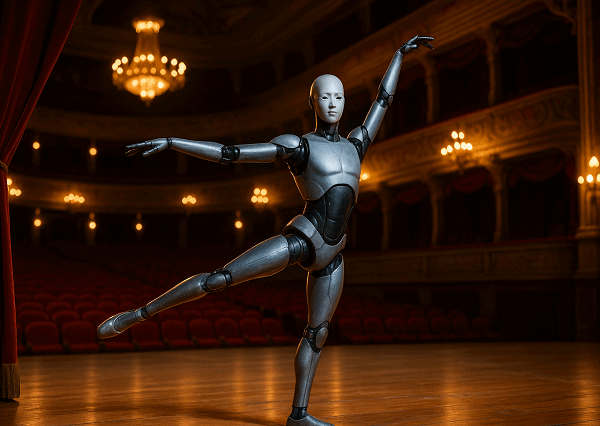
Videos released by robotics media outlets show Bumi walking and dancing with smooth, stable movements, an impressive feat for its category. While it will not be lifting boxes or serving coffee anytime soon, its approachable design and price could make it the first humanoid many people ever own.
For Noetix, the goal is clear: to democratise robotics and inspire a generation of students and creators. For its Western rivals, Bumi’s launch is a reminder that the race to make humanoid robots affordable and truly useful has only just begun.