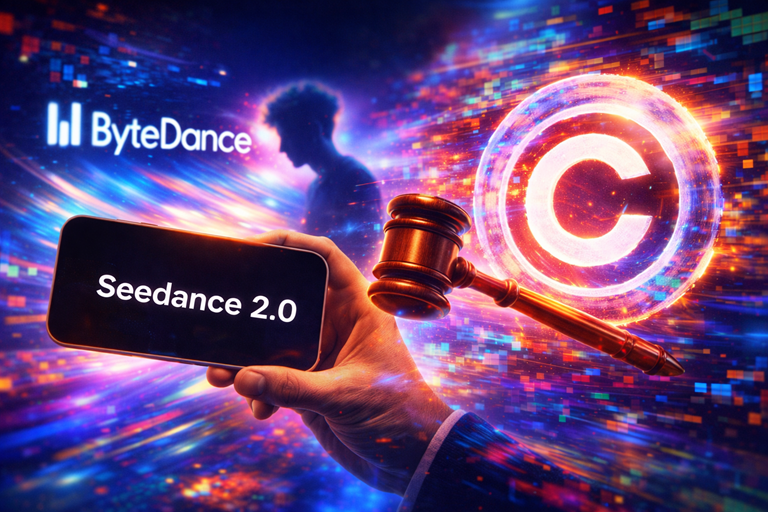
ByteDance has promised to tighten safeguards on its new artificial intelligence video generator after a wave of complaints from major Hollywood studios and industry groups.
The model, Seedance 2.0, can create realistic videos from short text prompts. Within days of its launch, users began sharing clips online that appeared to feature copyrighted characters and celebrity likenesses, triggering what many online have described as the Seedance Backlash.
ByteDance said it respects intellectual property rights and has heard concerns about the tool. It said it is taking steps to strengthen safeguards to prevent unauthorised use of intellectual property and likeness by users, but did not give details.
Studios Demand Action
The Motion Picture Association, which represents major studios, issued a public warning accusing Seedance 2.0 of unauthorised use of US copyrighted works on a massive scale.
Disney has gone further. Reuters and Axios report the company sent a cease and desist letter on Friday 13 February, alleging that Seedance was reproducing, distributing and creating derivative works featuring Disney owned characters. The letter also alleged the service was pre packaged with a pirated library of copyrighted characters, presented as if they were public domain material.
Paramount Skydance has also reportedly sent a cease and desist letter raising similar concerns.
How Users Are Getting Into Trouble
Much of the Seedance Backlash centres on how quickly users can generate familiar looking content. Viral examples reported by multiple outlets include videos depicting famous actors in scenarios they never filmed, alongside clips that resemble well known film and TV franchises.
For creators, the risk is simple. If a video contains protected characters, scenes, logos, or a recognisable performer’s likeness or voice, sharing it can lead to takedown requests, account strikes, or legal threats, especially if it is used commercially.
Ethical Fault Lines
Critics say the issue is bigger than copyright. They argue that generating a performer’s likeness without consent crosses an ethical line, even when it is technically easy to do.
SAG AFTRA has condemned the unauthorised use of members’ voices and likenesses, saying it undermines livelihoods and fails basic principles of consent.
The dispute also highlights a growing split in how AI tools are being introduced. Entertainment firms have shown they may license their catalogues under paid agreements, while pushing back hard when they believe their work is used without permission.
What ByteDance Says It Will Do Next
Seedance 2.0 was officially launched on 12 February 2026.
ByteDance says it is strengthening safeguards, and reporting also says it has paused the ability for users to upload images of real people.
The company faces a difficult challenge: blocking obvious infringement without crippling a tool that many users praise for its realism and speed. For now, the Seedance Backlash shows that the race to build more powerful AI video systems is colliding head on with long established rules on ownership, consent, and creative work.