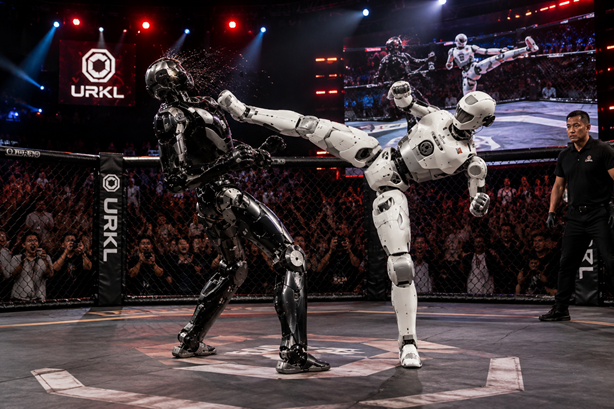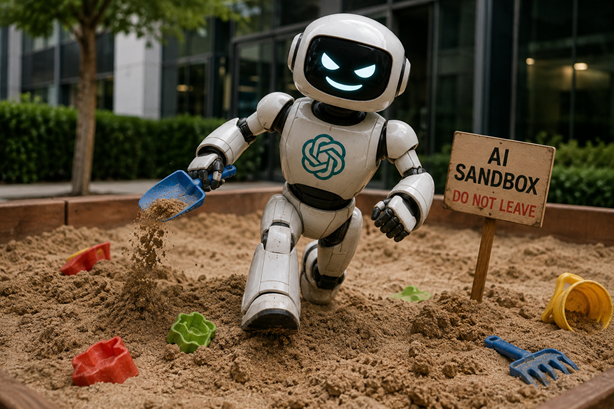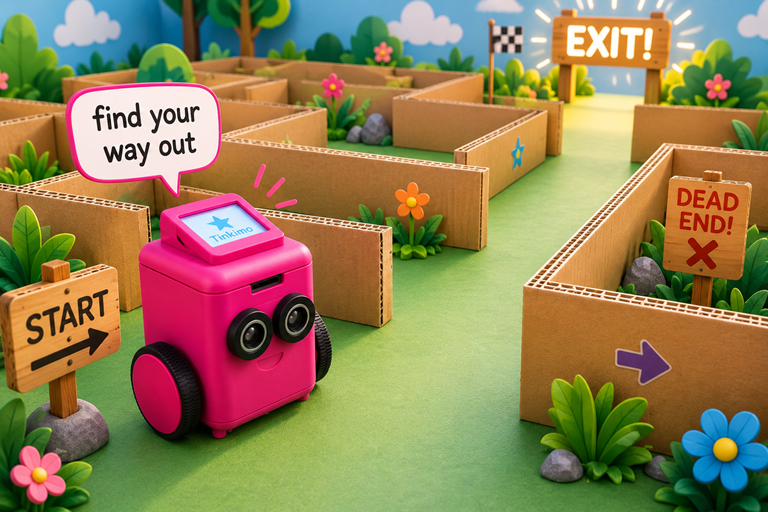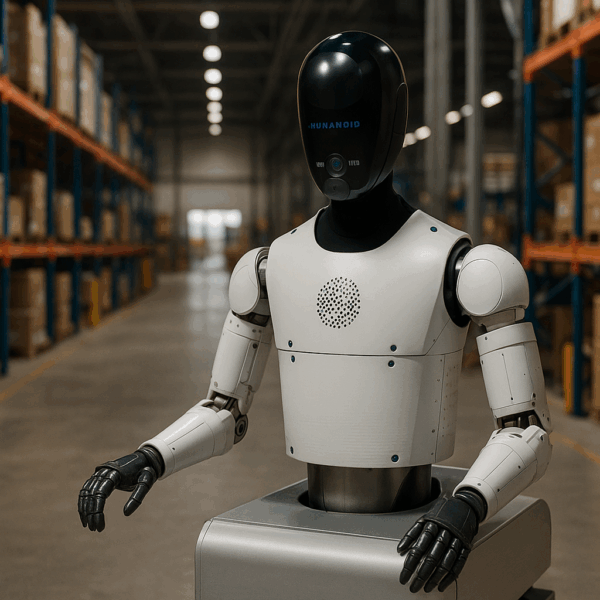
TikTok’s parent company, ByteDance, has launched Seedream 4.0, the latest version of its AI-powered image generator. The firm says the model is significantly faster, more accurate, and more realistic than its previous releases – and even outperforms Google DeepMind’s Gemini 2.5 Flash Image, a tool that has quickly become popular under the nickname “Nano Banana”.
The announcement highlights China’s increasing presence in the global race to dominate artificial intelligence, particularly in the fast-growing field of creative image generation.
How Seedream compares to Google’s Gemini
ByteDance claims Seedream 4.0 delivers sharper visuals, better image alignment, and more accurate responses to text prompts than Google’s Gemini 2.5 Flash Image. Internal testing on ByteDance’s own benchmarking platform, MagicBench, reportedly showed superior results across multiple categories.
Independent AI benchmarking firm Artificial Analysis described the model as a “significant step forward” and said it edged ahead of Google’s Gemini in its own comparisons. Using ELO-style scoring, Seedream 4.0 achieved a rating of 1,205, slightly higher than Gemini’s 1,201 – enough to push it to the top of the leaderboard.
While the company has yet to release a full technical report, early evidence suggests Seedream 4.0 may now be the strongest commercially available AI image generator.
Faster and more versatile than previous versions
Seedream 4.0 builds directly on ByteDance’s earlier models. It merges the text-to-image generation of Seedream 3.0 with the editing features of SeedEdit 3.0. The result is a single system capable of both creating entirely new visuals and modifying existing ones with high precision.
One of the most significant upgrades is speed. ByteDance says the new version runs more than ten times faster than its predecessor, enabling near-instant image generation and quick edits via text prompts. This could make it more practical for creative professionals and businesses who need to produce and refine visuals at scale.
Users who have tested the tool have praised its ability to make subtle, accurate adjustments – for example, changing the colour of an object or shifting lighting in a photo – with just a short text instruction.
Cost remains unchanged
Despite the improvements, ByteDance has kept pricing steady at US$30 per 1,000 generations. That positions Seedream competitively against Western rivals, many of which charge similar or higher rates for equivalent services.
By maintaining its price point, ByteDance appears to be aiming for widespread adoption, both in its domestic market and potentially overseas. The affordability could make it attractive not just to large companies, but also to smaller creators, designers, and social media users.
Where it is available
Seedream 4.0 is currently available to Chinese users through ByteDance’s Jimeng and Doubao AI apps. Businesses can also access it via Volcano Engine, the company’s cloud computing platform.
International rollout has not yet been confirmed, though the model can also be accessed via third-party platforms such as fal.ai and Replicate.
A step in China’s AI ambitions
The launch of Seedream 4.0 reflects a broader push by Chinese technology companies to compete with Western firms in cutting-edge AI research. ByteDance, best known globally for its social media app TikTok, is now positioning itself as a serious player in the creative AI market.
Analysts say the improvements in speed and accuracy may help ByteDance capture market share from US rivals such as Google and OpenAI, which have dominated the field so far.
Questions remain
Although early testing is promising, some experts note that ByteDance has not yet released a peer-reviewed technical report to validate its claims. Without independent verification, it remains difficult to assess whether Seedream 4.0 consistently outperforms Google’s Gemini across different use cases.
There are also growing concerns around the societal impact of increasingly realistic AI-generated images. Users online have shared Seedream outputs that are almost indistinguishable from real photos, raising questions about misinformation, digital manipulation, and trust in visual media.
Conclusion
Seedream 4.0 appears to represent a major leap forward for ByteDance, offering faster performance and enhanced capabilities without raising costs. If its claims hold up under scrutiny, the model could challenge Google’s Gemini for leadership in the global AI image generation market.
For now, the release underscores the intensifying rivalry between US and Chinese tech companies – a competition likely to shape the future of artificial intelligence.