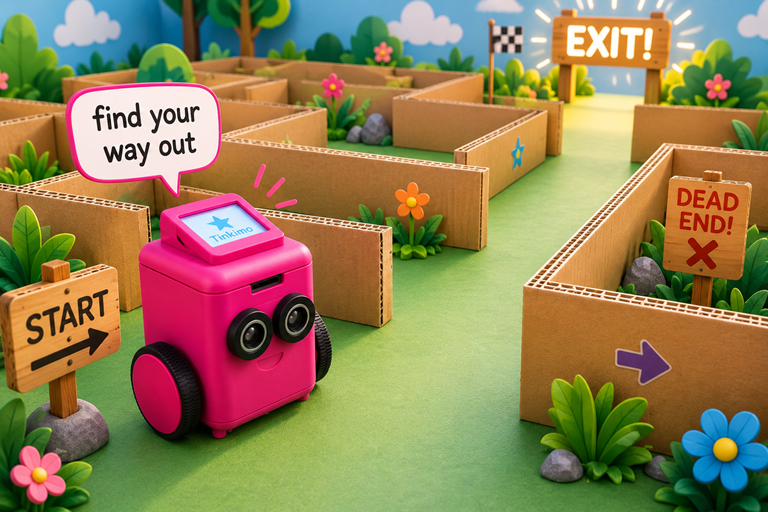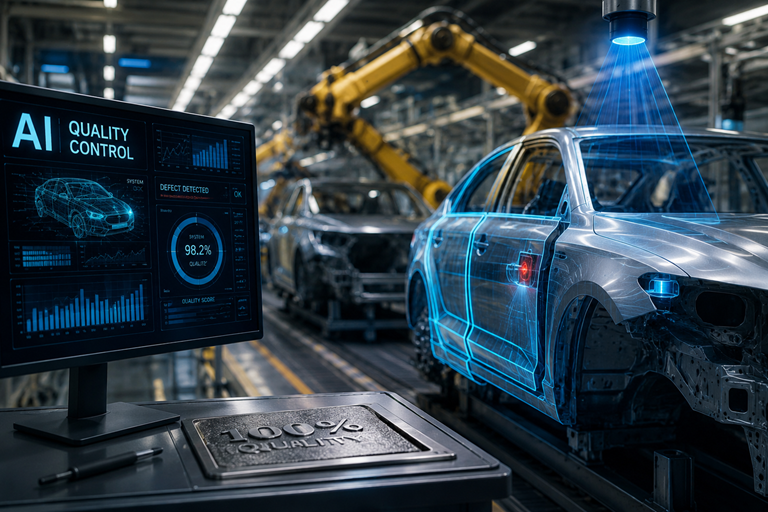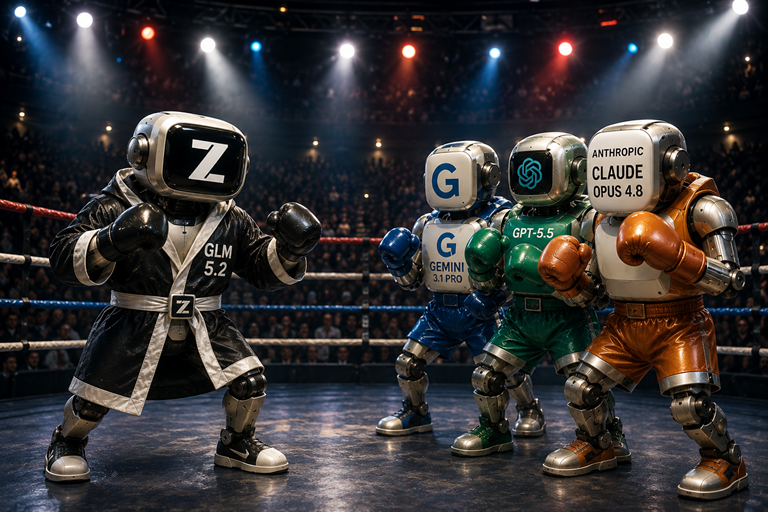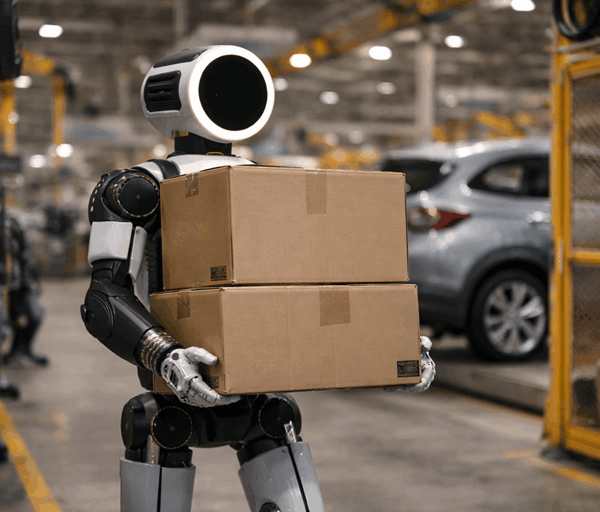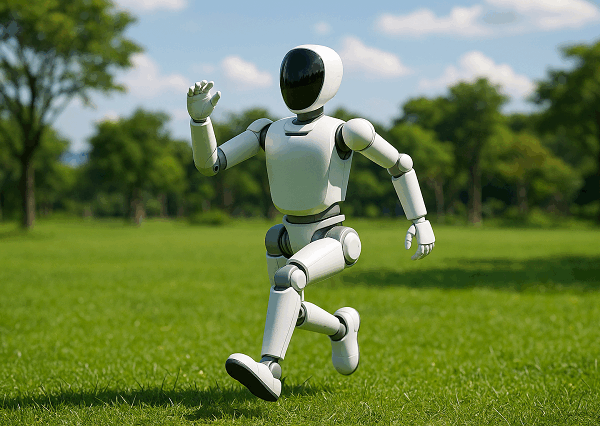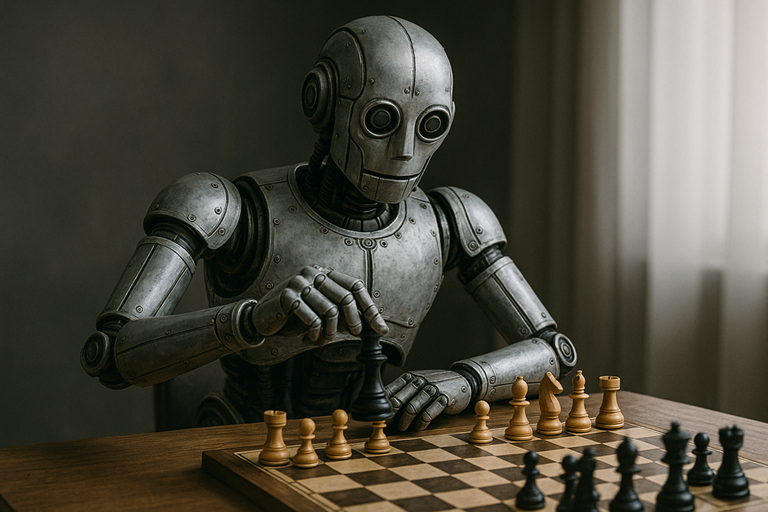
Moravec’s paradox is a long standing observation in artificial intelligence. First described in the 1980s by researchers including Hans Moravec, Rodney Brooks and Marvin Minsky, it highlights the surprising difficulty computers face when attempting tasks that humans find effortless. While machines can play chess at grandmaster level or analyse vast datasets in fractions of a second, they struggle with skills a one year old child performs naturally, such as recognising faces or moving through a cluttered room.
The paradox reflects the deep roots of human evolution. Tasks like perception, movement and interpreting social cues have been refined over millions of years. As a result, these abilities feel automatic to us. More recent skills, such as algebra or complex reasoning, rely on the thin veneer of conscious thought and are far less efficient in biological terms. For computers, the situation is reversed. Logical operations and mathematical analysis come easily, but replicating instinctive human capabilities remains extremely difficult.
Why evolution matters
Moravec argued that the challenge for machines lies in the sheer amount of ancient, unconscious knowledge embedded in human perception and movement. Over time, natural selection has fine tuned our ability to understand the world, predict events and react accordingly. Although we barely notice these processes, they draw on vast neural resources.
By contrast, the skills we consider intellectually demanding are relatively recent. They have not benefited from extensive evolutionary optimisation. For AI systems, this means tasks we see as complicated may require far less effort than interpreting a simple scene or navigating a room without bumping into objects.
A lesson from early AI research
During the early decades of AI, researchers believed that progress in logic and mathematics meant human level intelligence was close at hand. They had created programmes that solved algebra, proved theorems and played competitive games. It was assumed that skills like vision and common sense reasoning would naturally follow.
Instead, these supposedly simple abilities became the stumbling block. Machines excelled at the tasks researchers thought were hard and faltered at those thought to be easy. This misjudgement contributed to later periods of stalled funding and disappointment, often referred to as AI winters.
The insight helped shape new approaches. In the 1980s, Rodney Brooks advanced a style of robotics that emphasised sensing and action over abstract reasoning. This shift recognised that intelligence is deeply tied to physical interaction with the world.
Relevance for modern AI
Advances in computing power during the 2020s mean AI is far better at perception than it once was. Image recognition, speech processing and autonomous navigation have improved dramatically. Yet even now, machines often lack contextual understanding and struggle in unpredictable environments.
The paradox remains highly relevant because it explains why AI excels in some fields while lagging in others. In healthcare, for example, algorithms can analyse scans at remarkable speed but they may miss subtle contextual details a clinician would instantly recognise. Studies show that combining human judgement with machine precision often produces the best results.
A reminder of human strengths
Moravec’s paradox highlights the need for collaboration between humans and machines rather than competition. While AI continues to advance, the intuitive, sensorimotor and social abilities honed across evolution remain uniquely human. The paradox underlines both the promise and the limitations of artificial intelligence and suggests that the future of technology will rely on combining the strengths of both.