Robots can feel like they belong to the future, shiny, expensive, locked up in research labs you’ll never step foot in. But Reachy, an open source humanoid robot created by Pollen Robotics, flips that script. It’s not just another fancy machine. It’s a platform designed for everyone: researchers, students, hobbyists, even artists, to explore what robots can do.
And the best part? You don’t need a secret lab coat or a million dollar grant to get started.
A Robot Built on Openness
The philosophy behind Reachy is refreshingly different: share everything. The designs, the software, the joints, the code, it’s all open source. That means if you want to hack it, extend it, or even 3D print parts of it, you can. Instead of a black box robot you’re not allowed to tinker with, Reachy invites you to peek under the hood and make it your own.
This approach has made it a darling in the robotics community, where reproducibility and collaboration often hit roadblocks because of closed systems.
Meet the Family: Reachy 1, Reachy 2, and Reachy Mini
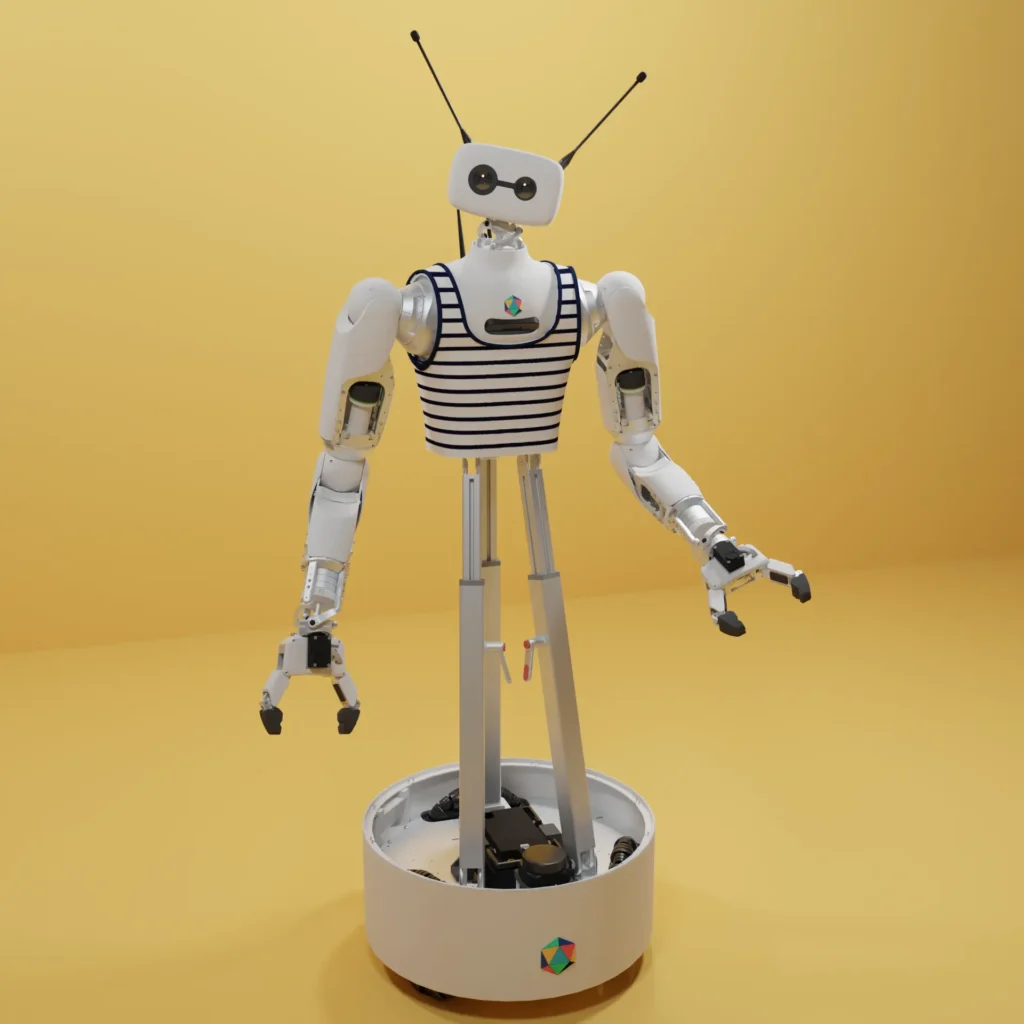
The original Reachy looked a bit like a futuristic lab assistant: a torso, two arms with seven joints each, and a head with cameras for “eyes.” It could wave, look curious, and even pick things up with a surprisingly human like grace. Researchers loved it because it worked with Python and ROS (the Robot Operating System), making it easy to plug into experiments.
Then came Reachy 2. Stronger, smarter, and with bio inspired joints called Orbita, this version pushed closer to real world applications like assistive robotics or collaborative tasks. Think of it as the older sibling who went to the gym and came back with more muscle.
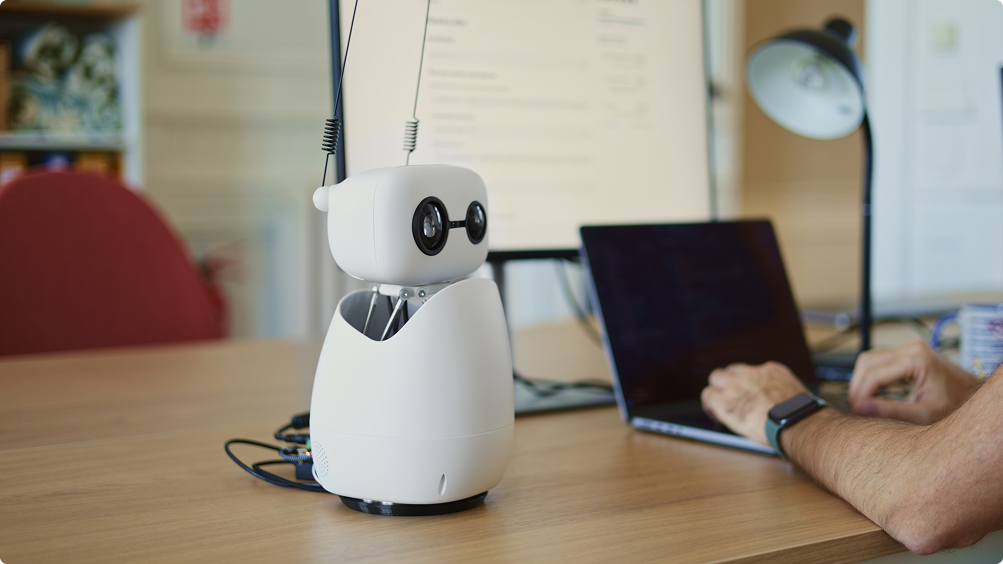
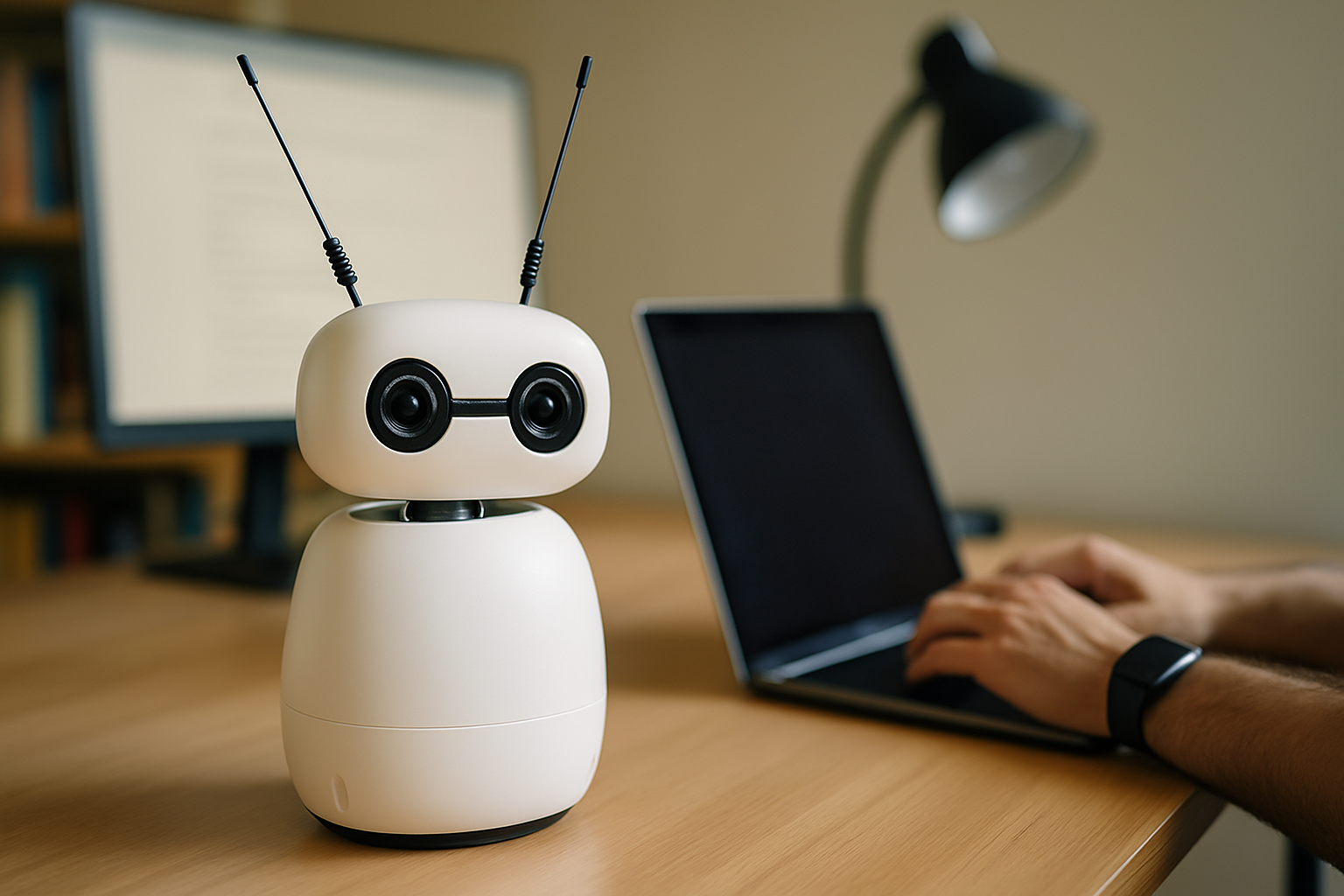
And in 2025, Pollen Robotics, now part of Hugging Face, dropped Reachy Mini, a desktop sized robot designed to bring expressive robotics to classrooms, makerspaces, and curious tinkerers at home.
Why People Love It
- Researchers use Reachy to test embodied AI, training algorithms in the real world, not just in simulation.
- Educators use Reachy Mini to spark curiosity in students, showing them robots can be expressive and fun, not intimidating.
- Artists and creators experiment with its gestures and personality, blurring the line between technology and performance.
And yes, you can teleoperate it through VR. Imagine putting on a headset and having a humanoid robot mimic your movements. It’s equal parts futuristic and slightly surreal.
The Big Picture
Reachy is important not just because it’s a cool robot (though it definitely is), but because it shows how open source ideas can reshape robotics. Instead of innovation being locked away, it’s shared, tested, and improved by a global community.
Of course, there are challenges. Robots aren’t cheap, parts wear out, and the learning curve can be steep. But the direction is clear: accessible, hackable, and expressive robots are here to stay.
So whether you’re a researcher building the next generation of AI, a teacher sparking curiosity in kids, or just someone who thinks robots are neat, Reachy is proof that the future of robotics doesn’t have to be closed off. You can actually reach out and be part of it.