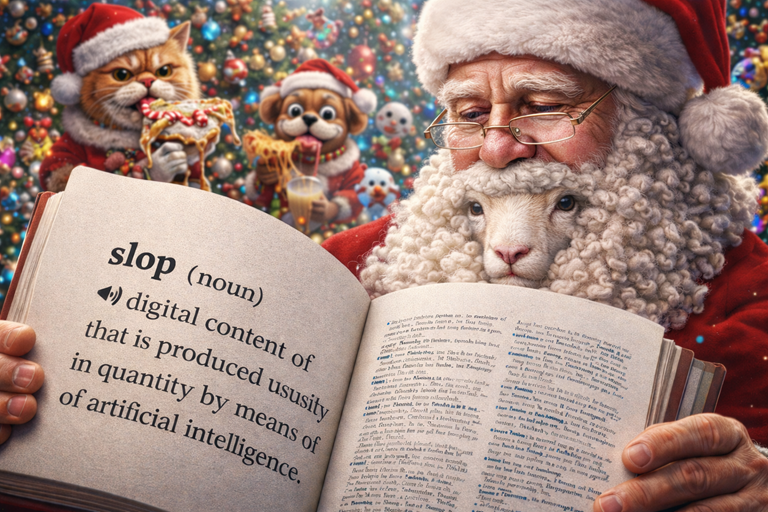
Merriam Webster has declared slop its Word of the Year for 2025, capturing a growing sense of frustration and fascination with the online world. The dictionary defines slop as digital content of low quality that is produced usually in quantity by means of artificial intelligence.
In just four letters, the word neatly sums up a year dominated by strange videos, awkward images and content that looks convincing at first glance but quickly falls apart.
From mud to memes
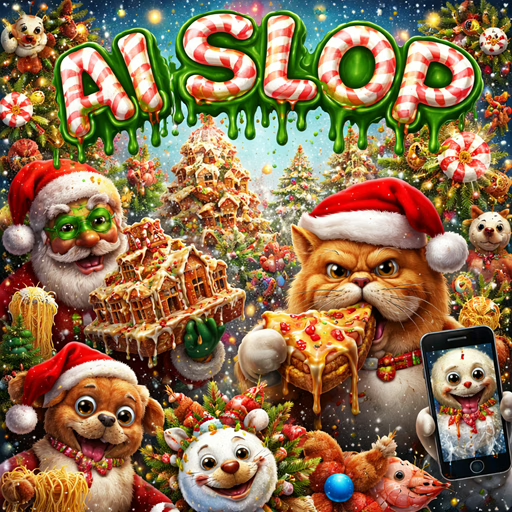
Slop is not a new word. It first appeared in the 1700s meaning soft mud, before evolving to describe food waste and then rubbish of little value. In 2025, it has taken on fresh relevance as a label for the torrents of AI generated material filling social media feeds, inboxes and online shops.
According to Merriam Webster, the modern meaning reflects how people experience the internet today. Content no longer trickles in. It pours, oozes and spreads everywhere.
Talking cats and fake realities
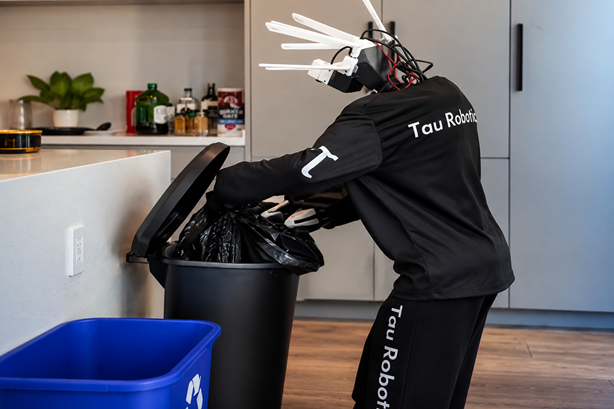
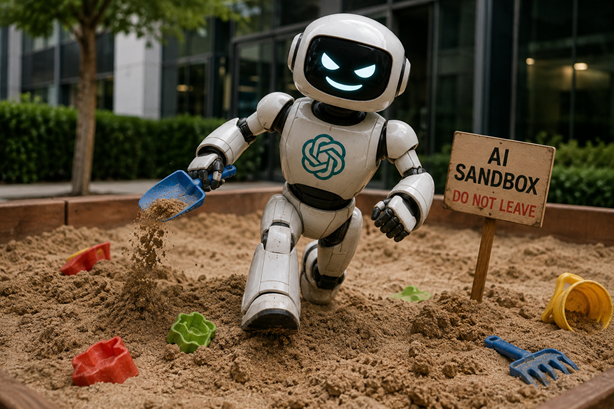
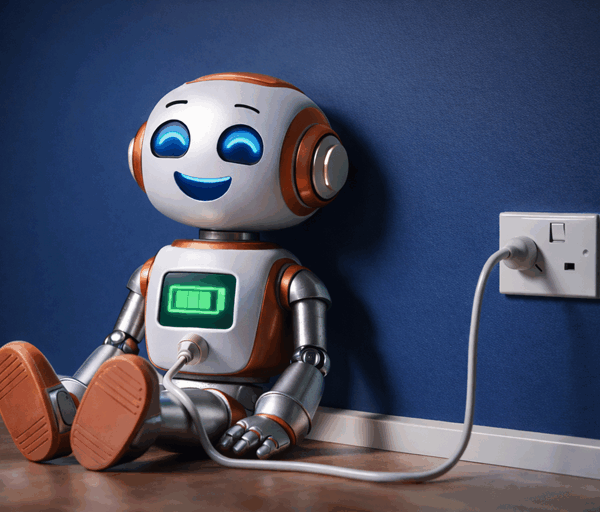
Examples of AI slop are easy to find. They include surreal videos of talking animals, distorted advertising images, fake news articles that look almost real, and cheaply produced AI written books flooding online marketplaces.
Some of it is entertaining. Even critics admit to enjoying the odd absurd clip. But much of it is irritating or misleading. Reports have warned that social media is becoming harder to trust, as low quality AI content blurs the line between reality and fabrication.
AI video tools have made it easier than ever to create realistic looking footage from a simple text prompt. This has fuelled concerns about misinformation, deepfakes and the misuse of images of real people, including celebrities and public figures.
Mockery rather than fear
What makes slop stand out is its tone. Unlike more alarmist language around artificial intelligence, the word carries a note of ridicule. It suggests that for all the hype surrounding AI, much of what it produces is clumsy, repetitive and uninspired.
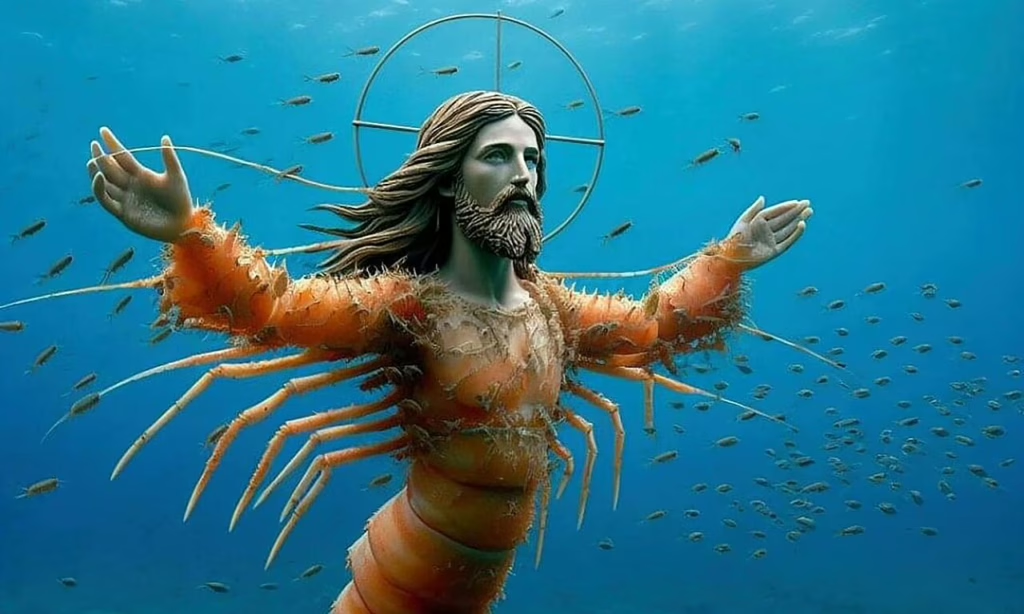
Merriam Webster says searches for the word increased sharply this year, suggesting people are becoming more aware of low quality content and more critical of what they consume online.
There is also a sense of pushback. By calling something slop, users are asserting a preference for things that are genuine, thoughtful and human made.
A wider trend in language
Other dictionaries have also highlighted words linked to digital culture and online behaviour. Terms like parasocial, rage bait and vibe coding point to how technology is shaping relationships, emotions and work.
But slop has struck a particular nerve. It reflects not just the presence of artificial intelligence, but the sheer volume of content it produces and the weariness that comes with it.
A mirror of the year
Merriam Webster has chosen a Word of the Year annually since 2003, aiming to reflect the mood and conversations of the time. In 2025, slop stands as a wry summary of life online.
It is a reminder that while technology can be powerful, faster and louder does not always mean better. And sometimes, the internet just feels a bit messy.