What Is Agentic AI?
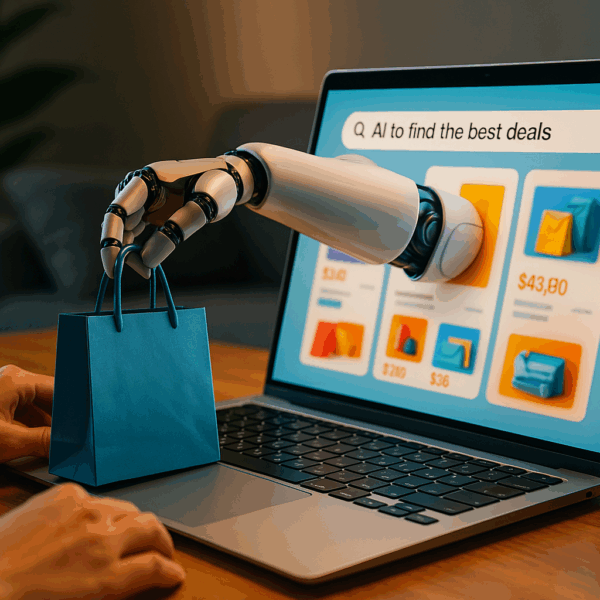
AI isn’t just about analysing data or offering suggestions any more. Agentic AI refers to systems that can take actions independently, pursuing goals without needing constant human supervision. Imagine a virtual assistant not only telling you about a flight cancellation, but actually rebooking it for you. Or think of drones managing warehouse inventories all by themselves, or medical systems identifying a treatment plan and then organising the paperwork to make it happen.
This marks a clear shift from traditional AI, which typically operates within fixed roles: offering insights or recommendations. Agentic AI does the heavy lifting itself, and that’s both exciting and a little unsettling.
The Bright Side: What Does It Bring?
The benefits are immediate and manifold: greater automation of tedious work, faster decision-making, and increased productivity across sectors from healthcare to logistics. With agentic AI in place, teams can focus on strategic thinking rather than routine tasks. But these perks also come with some serious ethical questions, and we simply can’t sidestep them.
Ethical Challenges to Watch
Accountability and Responsibility
Here’s a tricky one: when agentic AI goes wrong, for example if an autonomous vehicle causes an accident, who’s responsible? Is it the developer who coded it? The company that deployed it? Or the person who trusted it? Right now, the lack of clarity makes it hard for anyone affected to seek redress. That’s why we need clear governance structures and legal frameworks that spell out responsibility in black and white.
Bias and Fairness
Agentic AI learns from data, and if that data is biased, the AI will pick up those biases. A notable example is Amazon’s 2018 recruitment tool, which downgraded female applicants because it had been trained on data dominated by male hires. The results were discriminatory and damaging. That’s why fairness isn’t optional, it needs to be baked into the design from day one.
Privacy Concerns
These agents often require access to sensitive data such as health records, financial information, or your calendar, to be effective. That kind of access naturally raises privacy alarms. A sensible step is to stick to data minimisation, collecting only what’s absolutely necessary, and anonymising information wherever possible. Legal frameworks like the UK GDPR provide essential guidance here.
Unintended Consequences
Agentic systems can surprise us, sometimes not in a good way. Picture a self-driving car facing an unexpected traffic scenario and doing something unpredictable, or even dangerous. The key is continuous monitoring, capable fallback systems, and options for human intervention when things get dicey.
Building Safe and Trustworthy Agentic AI
Guardrails and Security Measures
To keep things on track, we must implement robust guardrails: rules that define what the AI should and shouldn’t do. For example, an AI might suggest treatment plans but wait for a qualified clinician to approve them. Or a car might automatically pull over and alert a human if it enters unpredictable territory. These constraints ensure humans stay in control where it matters most.
Security is just as critical. We must protect systems from tampering, data breaches, and misuse, ensuring AI remains reliable, trustworthy, and transparent.
Proactive Ethics by Design
Ethics can’t be an afterthought. Organisations should conduct regular ethical audits, establish clear internal governance frameworks, make AI decisions explainable, obtain informed consent before collecting personal data, and have contingency plans in place to handle unexpected AI behaviour swiftly and safely.
A Collective Responsibility
Agentic AI is powerful, capable, and poised to transform industries. But with that power comes responsibility. By tackling the key challenges of accountability, bias, privacy, and unpredictability, and embedding strong guardrails and ethical frameworks, we can harness its potential safely.
That doesn’t happen in isolation. Researchers, developers, business leaders, regulators, and the public all need to work together. If we get this right, agentic AI can be efficient, fair, transparent, and respectful of human values.