Before we get dazzled by futuristic gadgets and Hollywood daydreams, let’s pause for a simple question: what actually counts as a robot? Is your washing machine in the club? How about Siri? The world of robotics can feel like a foggy middle ground between machines, computers, and science fiction. Time to clear the mist.
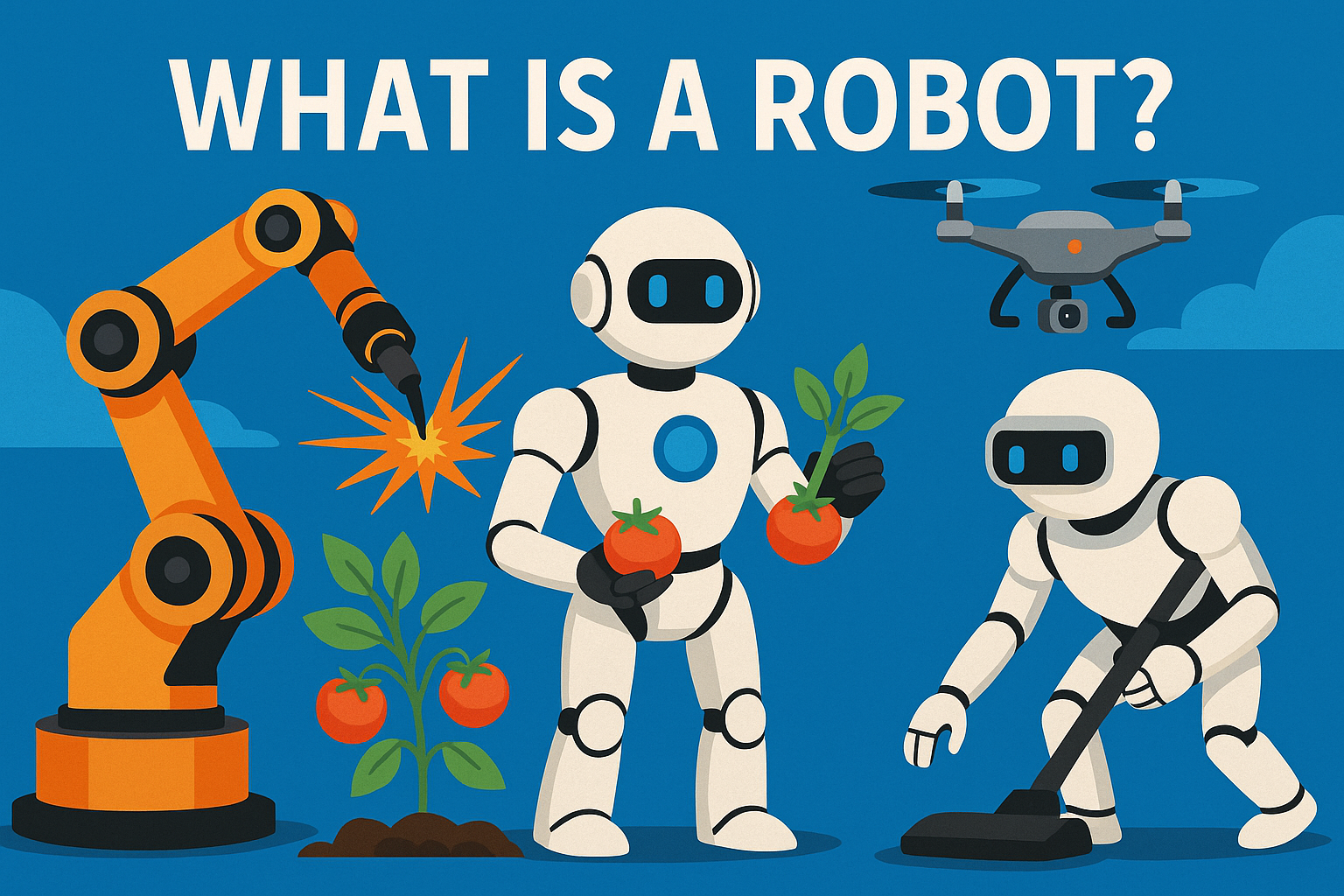
A machine is something that does work for us, usually by following a fixed set of instructions such as cars, lifts, or kettles. Artificial Intelligence (AI) is software that can “think” in a limited way, spotting patterns and making decisions. A robot is where the two worlds meet: a physical machine, equipped with sensors, that can act on information and respond to its environment. In short, machines follow scripts, AI crunches data, and robots get things done.
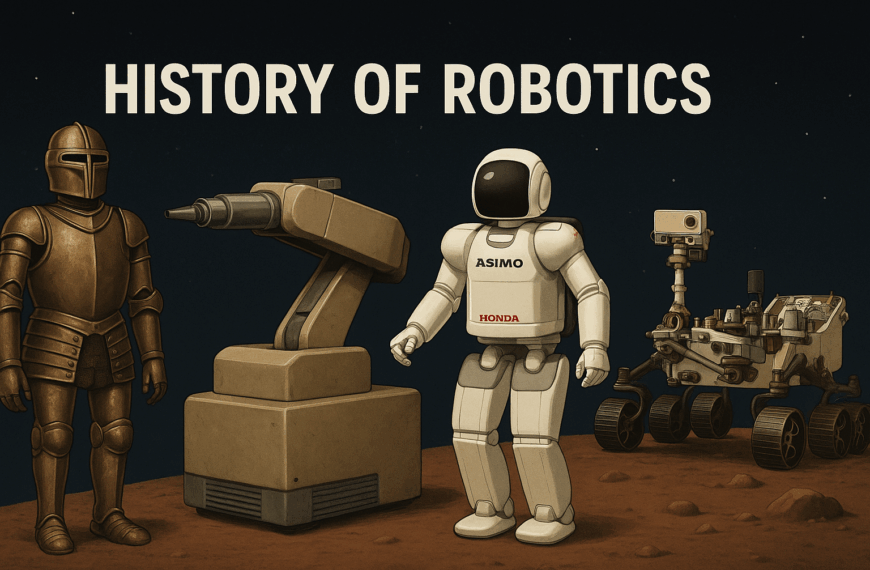
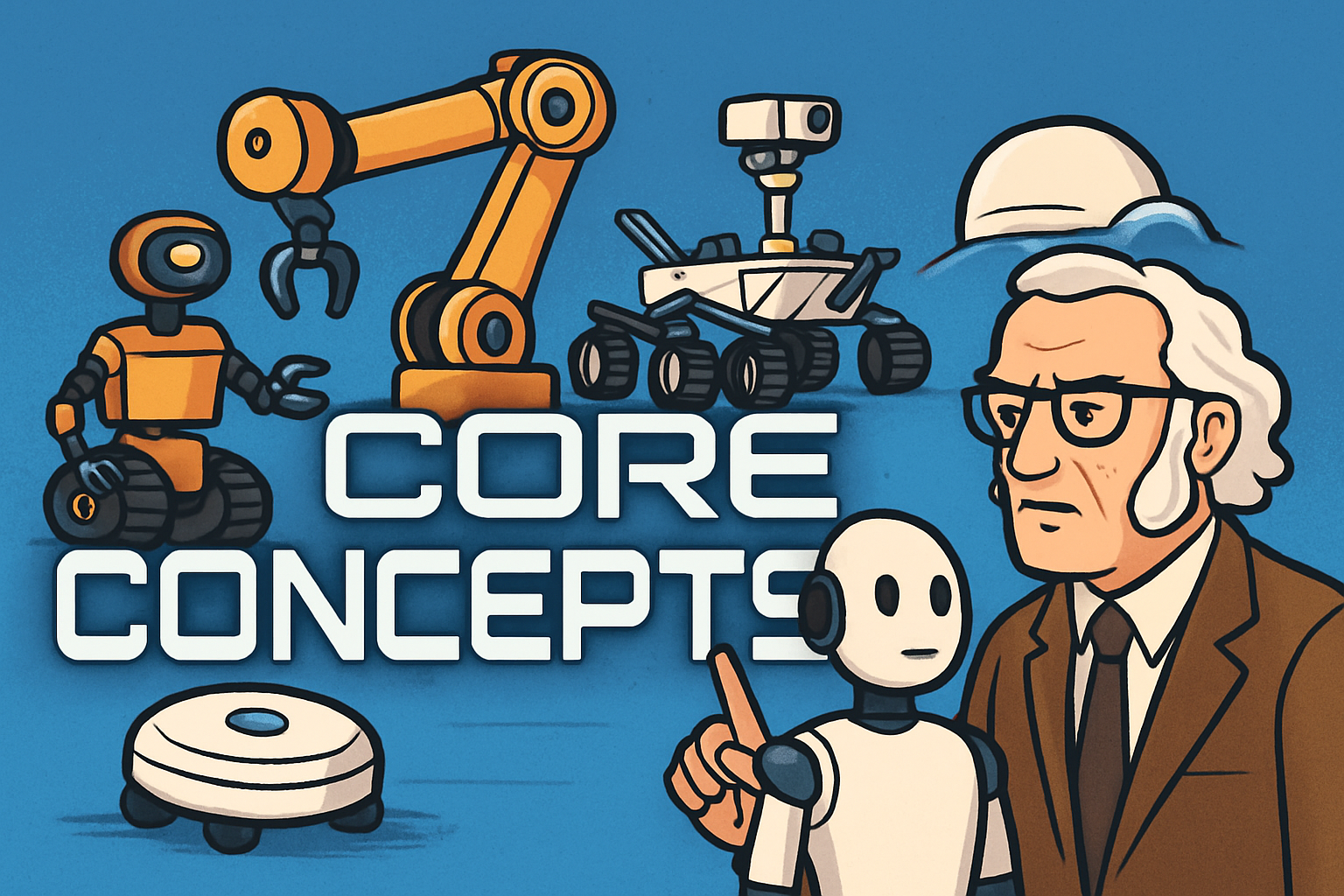
And they come in all shapes and sizes. Industrial robots tirelessly weld car parts day and night. Medical robots can guide a surgeon’s hand with millimetre precision. Service robots deliver hotel towels or restaurant meals. Mobile robots such as the famous Mars rovers explore worlds where humans cannot easily tread. There are even social robots designed to keep people company, whether in classrooms, care homes, or living rooms.
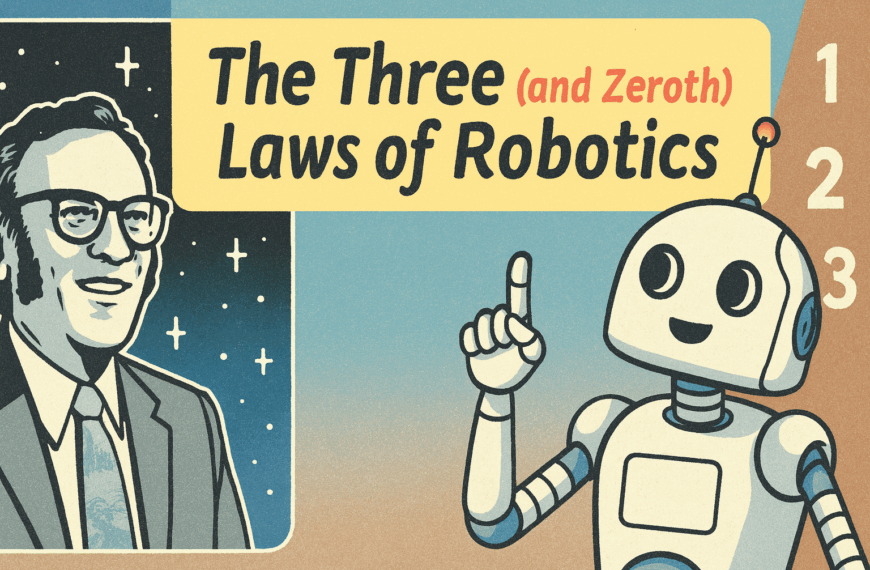
Of course, pop culture has given us another lens. Isaac Asimov’s famous Three Laws of Robotics painted a picture of machines bound by simple moral codes. They have inspired films, books, and endless pub debates. The reality? Today’s robots are not quite philosophers. Instead, they are shaped by engineering constraints, safety standards, and very real concerns about keeping humans out of harm’s way.
And then there is the matter of control. Some robots act autonomously, sensing and deciding on their own. Others are entirely under human command, guided by joysticks, remotes, or even brain signals. A self-driving car, a drone pilot, and a robotic vacuum each sit on different points of this spectrum. Who is in charge, the human or the machine? The answer is not always straightforward.
So, with the basics nailed down, it is time to meet the core concepts head-on. From definitions and types to myths, laws, and control, this section lays the groundwork for everything else. Let’s roll up our sleeves (or polish our circuits) and get started.