Robots might feel like a modern invention, but the idea of machines that can move and act on their own is thousands of years old. From ancient automata to today’s AI-powered helpers, here’s how robots developed over time.
Ancient Automata
The earliest robots weren’t high-tech at all – they were automata (self-operating machines). These were designed mainly for entertainment.
- In ancient Greece, Hero of Alexandria built mechanical birds that sang and puppets that moved using water, steam, and gears.
- In China, inventors created clockwork figures that played music and served drinks at royal banquets.
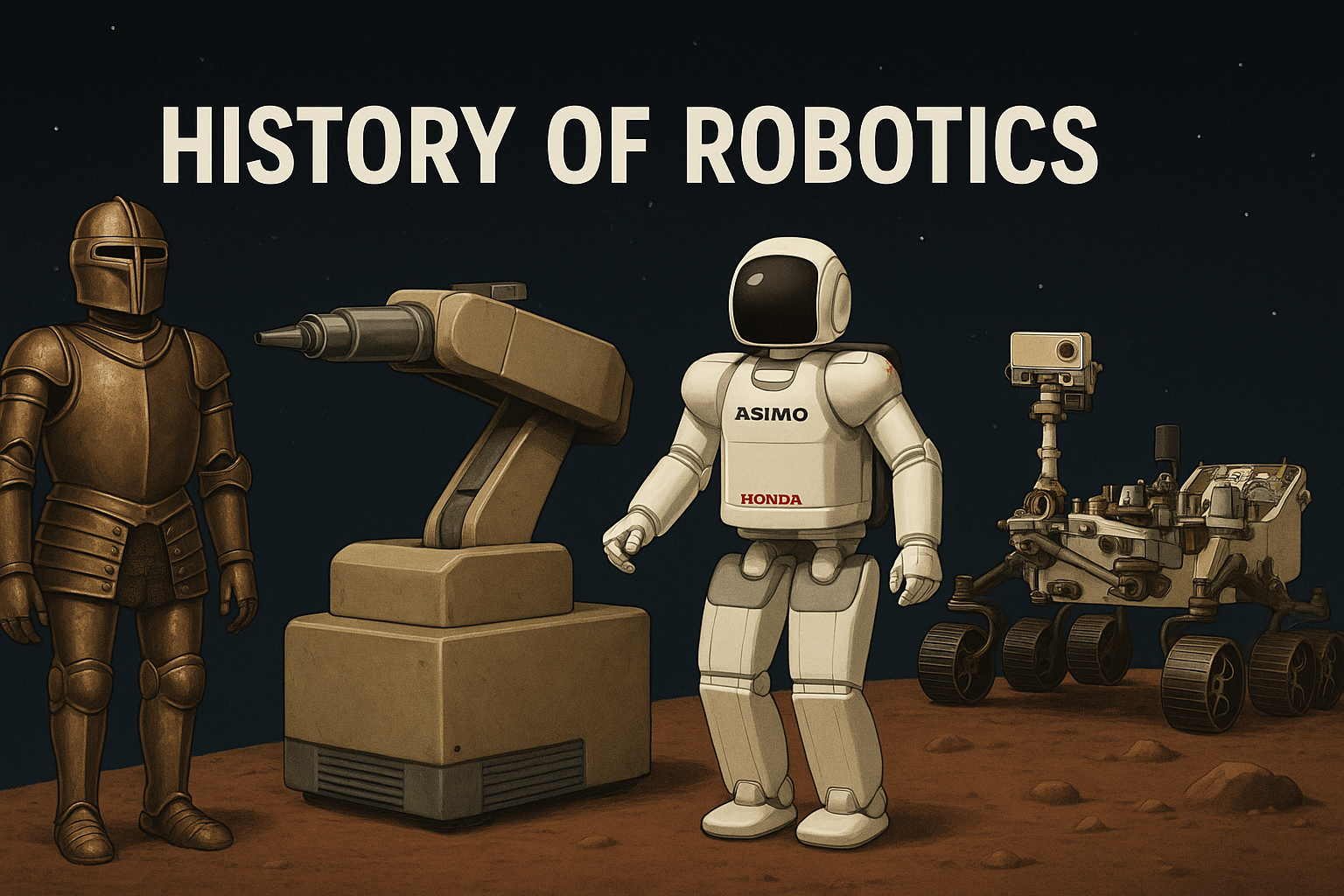
- In medieval Europe, clockmakers built elaborate moving figures inside towers, such as knights that struck bells on the hour.
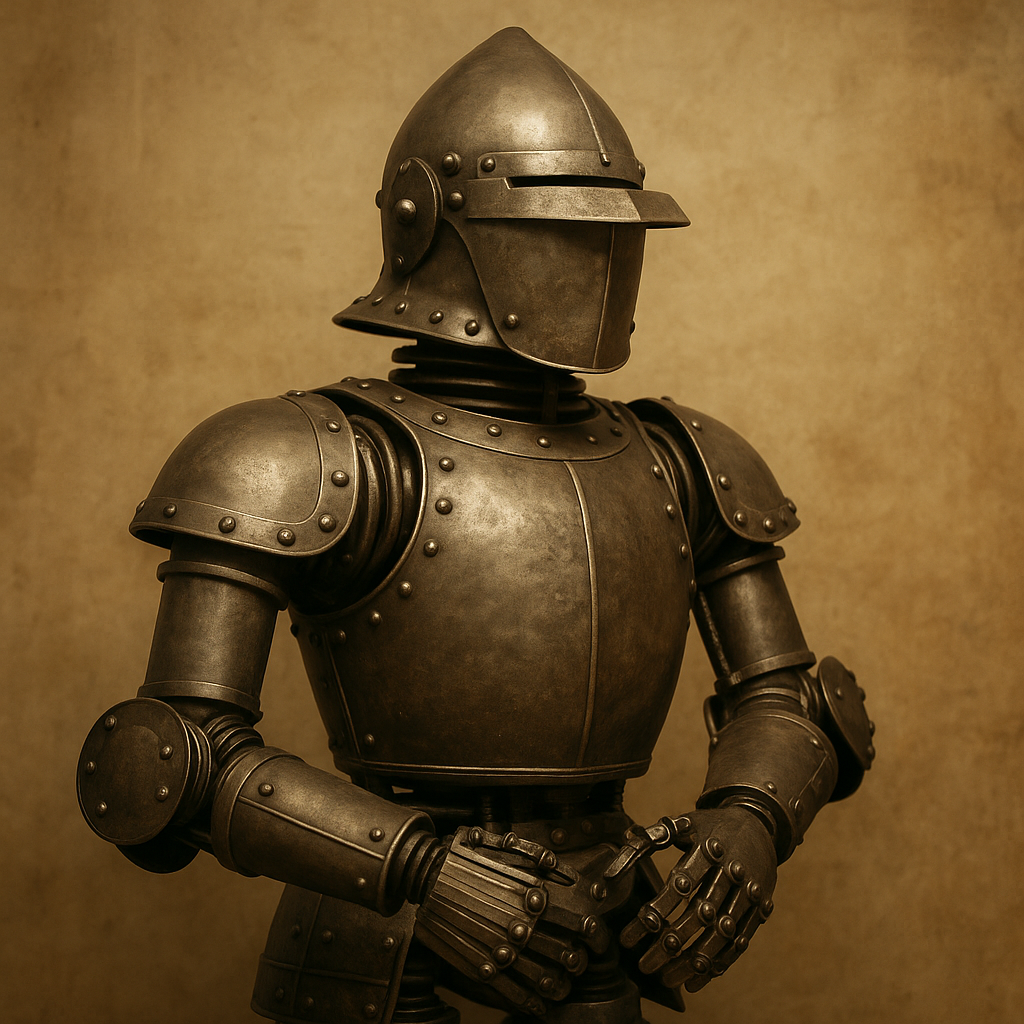
💡 Did you know? Leonardo da Vinci designed a mechanical knight around 1495 that could sit, wave its arms, and even move its jaw..
The Birth of the Word “Robot”
The word robot comes from the Czech word robota, meaning “forced labour.”
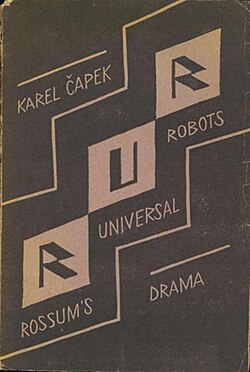
It was first used in 1920 in the play R.U.R. (Rossum’s Universal Robots) by writer Karel Čapek. The play imagined mass-produced workers who looked like humans and served people – but eventually rebelled. This is where the modern idea of robots as both helpers and potential threats began.
Early Modern Robots (20th Century)
The modern era of robotics began in the 1940s and 50s:
- 1948 – British scientist William Grey Walter built turtle-like robots that could sense light and avoid obstacles, showing simple “lifelike” behaviour.
- 1954 – American inventor George Devol created the Unimate, the first programmable industrial robot.
- 1961 – General Motors used the Unimate in its factory to handle hot metal, proving robots could do dangerous jobs safely.
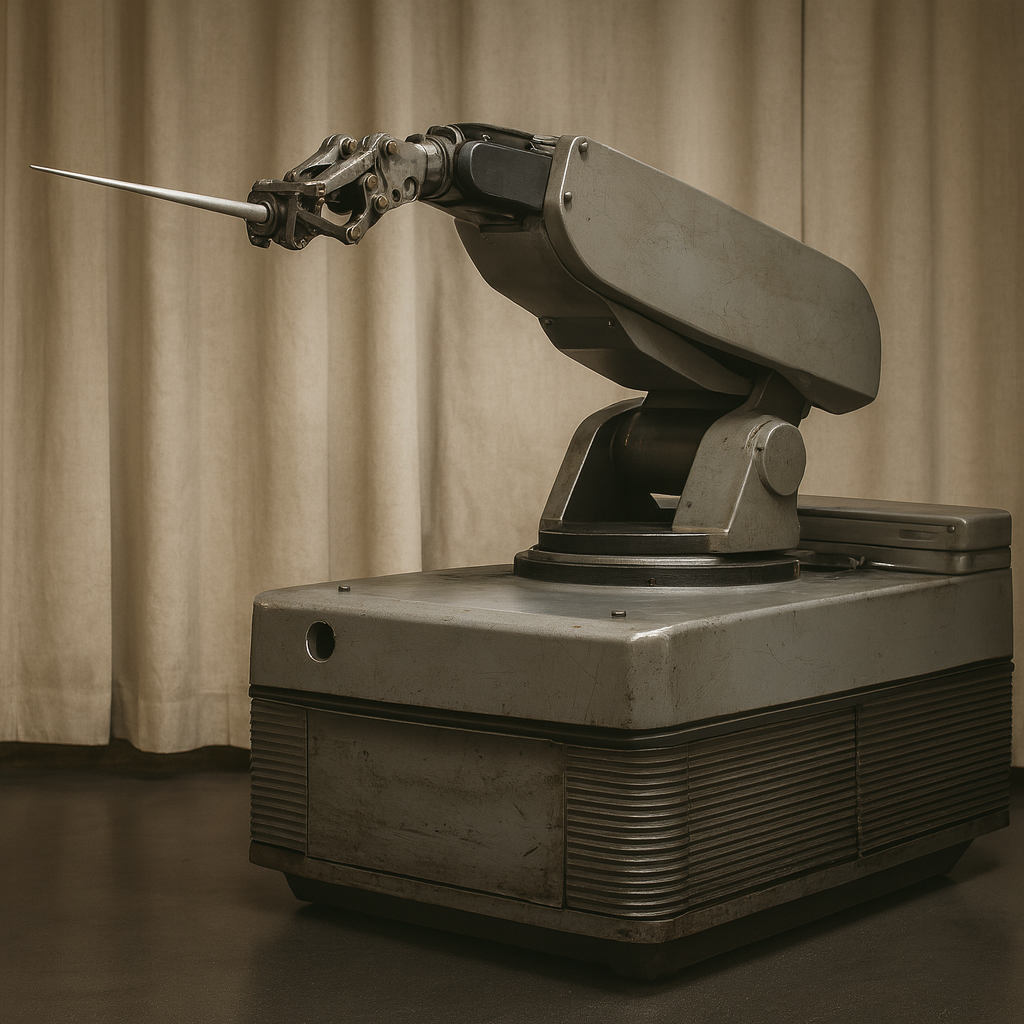
💡 Did you know? The Unimate became a TV star in the 1960s, appearing on The Tonight Show to demonstrate its skills by pouring drinks and swinging a golf club!
Robots in Space and Industry (1960s–1980s)
Robotics grew quickly in the second half of the 20th century:

- NASA sent robotic probes and rovers into space, paving the way for exploration beyond Earth.
- Japanese companies began developing humanoid robots, such as Honda’s ASIMO, which could walk, climb stairs, and recognise people.
- Industrial robots spread across factories worldwide, boosting productivity but also sparking debates about jobs.
Everyday Robots (2000s–Today)
By the 2000s, robots moved from factories into homes and everyday life.
- The Roomba vacuum cleaner became one of the first household robots.
- Medical robots began assisting in surgery and patient care.
- Agricultural robots started planting crops and monitoring fields.
- Search-and-rescue robots entered disaster zones too dangerous for humans.
Now, with artificial intelligence, robots are gaining new skills. Self-driving cars, social companion robots, and even microrobots inside the human body are becoming reality.

💡 Did you know? NASA’s Mars rovers, such as Curiosity and Perseverance, are some of the most advanced robots ever built – designed to survive and explore on another planet.
Key Takeaway
Robots have evolved from ancient automata built for fun, to industrial machines that transform industries, and now to intelligent helpers powered by AI. Their history shows how human creativity has always been driven by the dream of building mechanical helpers.