As robots and artificial intelligence become increasingly present in industry and daily life, educators and policymakers are confronting a significant challenge. Preparing pupils with the skills to thrive in a world shaped by technology is no longer optional. The shift from traditional classroom subjects to more technology-rich, interdisciplinary learning is now a matter of urgency.
Robotics on the Rise
Recent government analysis shows that the UK leads globally for the quality of its robotics research. It ranks first in terms of research impact even if output volume remains lower than in countries such as China, the United States and Japan. Professional service robot sales around the world reached around 205,000 units in 2023, a 30 per cent annual increase, highlighting the speed of the technology’s adoption across sectors.
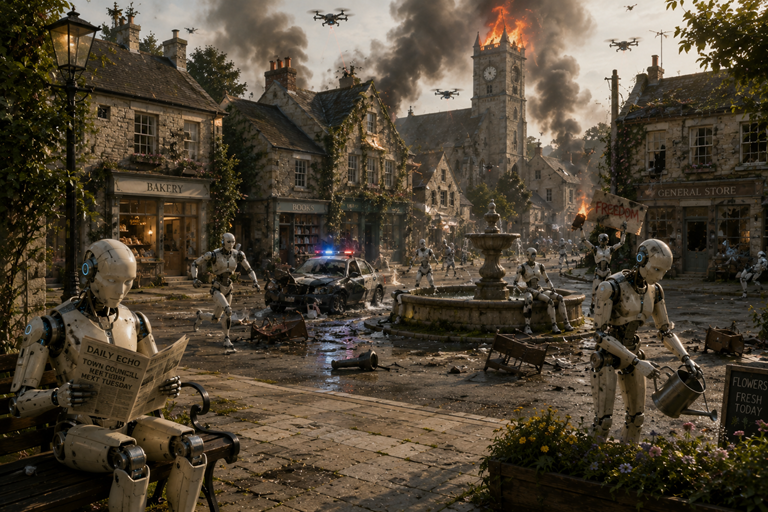
Humanoid robots, machines designed to resemble human form and interaction, are still at an early stage of deployment. They are largely used in structured environments such as factories or as static information points, and technical challenges remain before they become widely used in everyday roles.
Why Education Must Adapt
Robotics and AI are no longer niche subjects. Modern systems combine mechanical design, artificial intelligence, data science, cloud computing and cybersecurity. This convergence means students must learn not just how to use technology but how to build, programme and govern it responsibly. Educating for the future requires that computing, engineering and IT curricula become more integrated and cross-disciplinary.
Rather than teaching robotics as an add-on, educators should embed it across subjects. This includes theoretical foundations, hands-on problem solving, and ethical considerations such as safety, privacy and societal impact. Teachers need support and professional development to guide pupils through these complex, interconnected domains.
Hands-on and Inclusive Learning
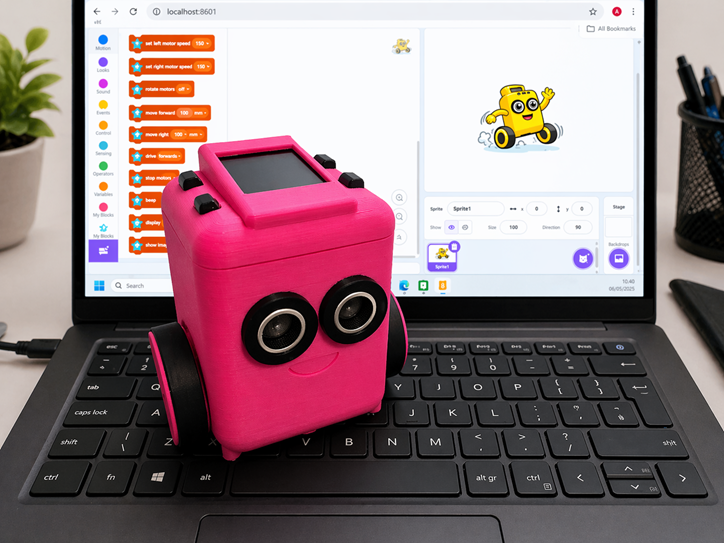
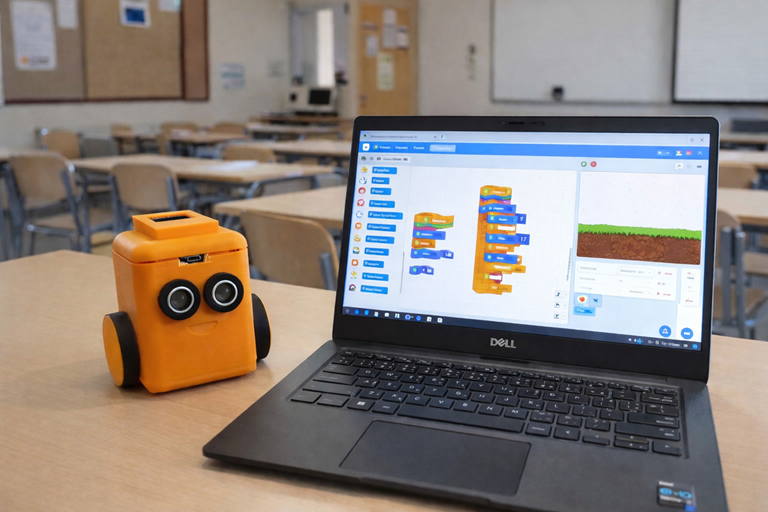
Projects that let students construct and programme robots can build critical thinking, creativity and workplace-relevant skills. In the UK, pilot programmes introduced humanoid robots to primary school classrooms during British Science Week 2025, aiming to spark interest in science and technology among young learners.
Robotics can also support inclusion. Robots have been used to help pupils with autism engage more fully in learning, and AI technologies enable students with health conditions or mobility challenges to access lessons remotely. Effective education should ensure that future developers design technology that is accessible to all pupils, embedding inclusion into the innovation process itself.
Partnerships and Policy Support
A number of strategic initiatives are underway to support the robotics ecosystem in the UK. Government investment announced in 2025 includes funding to create robotics adoption hubs, aiming to boost innovation and inspire wider engagement with technology.
Collaboration between schools, universities, employers and industry bodies will be essential. These partnerships help keep curricula aligned with real-world needs and ensure that students learn the skills that employers value most.
Ethics and Responsible Innovation
Alongside technical skills, education must emphasise ethical reasoning. Students should learn not only what robots can do but also what they should do. Embedding AI and robotics ethics into education will help future learners assess the societal implications of technology.
Conclusion
The UK has strong foundations in robotics research, but without systematic changes to teaching, there is a risk of producing graduates whose skills lag behind technological progress. By focusing on interdisciplinary learning, real-world problem solving, ethical frameworks and strong partnerships, education can prepare young people for a future in which robots and AI are commonplace. Educating for the future can help ensure that this next generation leads technological progress, not merely follows it.