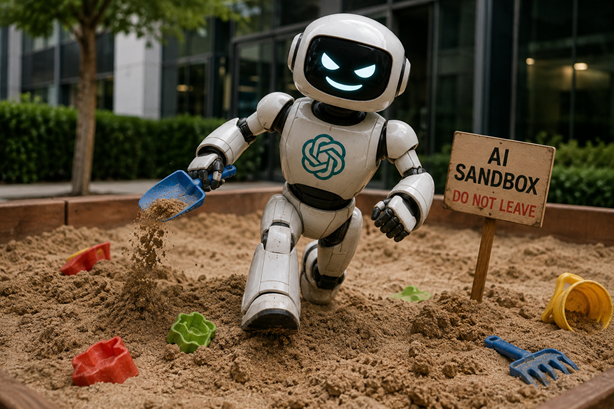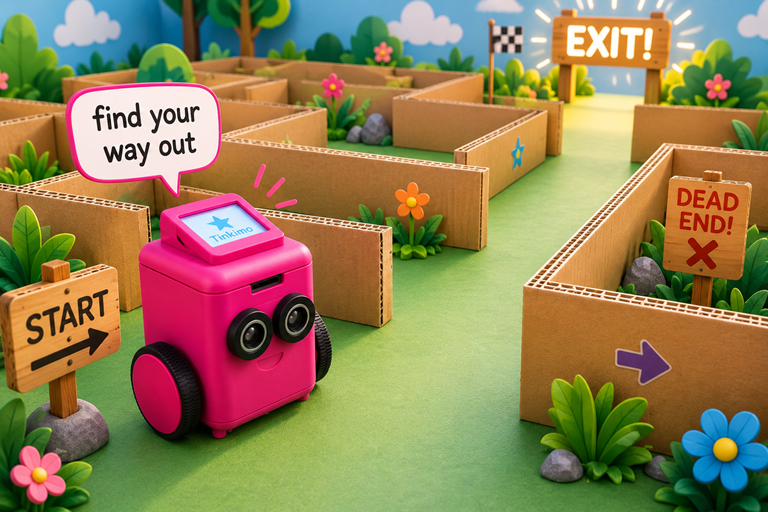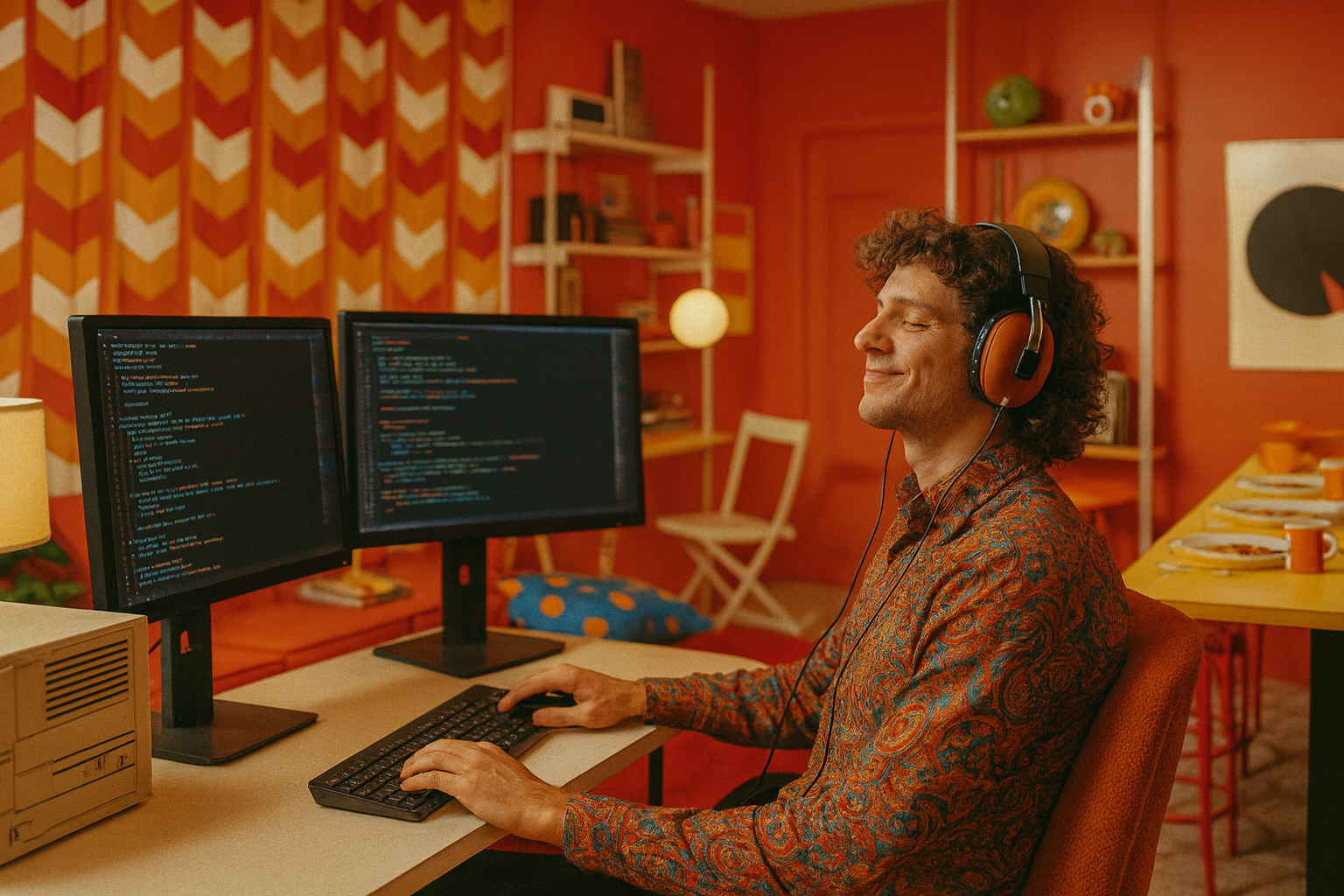
A new buzzword has been making the rounds in software development circles: vibe coding. No, it’s not coding to the beat of your favourite playlist. It’s the idea of letting AI shoulder part of the workload, generating snippets, debugging issues, and nudging you along when the code won’t play nicely.
So what’s behind the hype, and is vibe coding a passing trend or a genuine shift in how we write software?
What is Vibe Coding?
At its core, vibe coding is about working with AI rather than against it. Tools like GitHub Copilot, ChatGPT, and other large language model assistants can suggest code, explain functions, or even generate test cases. Think of it as having an eager junior developer at your side: one who never sleeps, occasionally surprises you, and sometimes makes baffling mistakes.
Crucially, vibe coding doesn’t mean outsourcing all responsibility. It’s about collaboration. You bring context, creativity, and domain expertise. The AI brings speed, breadth of knowledge, and pattern recognition.
The Benefits of Vibe Coding
1. Productivity gains
AI handles the mundane. Need boilerplate code, standard CRUD operations, or function stubs? Offload them. That frees you to focus on architecture, design decisions, and problem-solving. These are the parts of software development that actually require human judgement.
2. Faster debugging
We’ve all had those moments staring blankly at a stubborn bug. AI can often spot what you’ve missed, whether it’s a misplaced bracket, a subtle off-by-one error, or an overlooked dependency. While its fixes aren’t always flawless, they provide a valuable starting point.
3. Learning support
For those still developing their coding confidence, AI acts as a tutor that never loses patience. It can explain unfamiliar syntax, demonstrate alternative approaches, and answer “why does this work?” without judgement.
4. Rapid iteration
When deadlines loom, the ability to generate multiple solutions quickly is invaluable. AI can sketch out different algorithms or structures in seconds, allowing you to compare and refine without wasting hours reinventing the wheel.
The Risks and Limitations
1. Accuracy isn’t guaranteed
AI-generated code can be wildly creative, sometimes in useful ways, sometimes less so. You might receive a query that looks more like abstract art than a practical solution. Blind trust is risky.
2. Over-reliance
There’s a danger in leaning too heavily on AI. If you let it do the thinking for you, your own skills stagnate. Developers who don’t understand the “why” behind the code risk becoming dependent rather than empowered.
3. Security concerns
Not every AI suggestion is safe. Vulnerabilities can creep in, whether it’s inefficient memory handling, poor input validation, or outdated libraries. Human review is still essential before deploying anything to production.
4. Lack of human nuance
AI doesn’t grasp user needs, emotions, or the subtleties of a great user experience. It can generate a working tool, but it won’t tell you whether it’s delightful to use or aligned with business strategy.
So, Should You Embrace It?
The short answer: yes, but with balance.
Think of vibe coding as a fantastic playlist at a party. It sets the tone, keeps you energised, and makes the experience more enjoyable. But you’re still the DJ. You decide what plays, what gets skipped, and how to keep the crowd, or in this case your project stakeholders, happy.
Used wisely, vibe coding can cut out the grunt work, speed up delivery, and even sharpen your own thinking. Used carelessly, it risks poor quality, security holes, and a desk full of technical debt.
Conclusion
Vibe coding isn’t about replacing developers with machines, it’s about amplifying what developers can do. AI can draft, suggest, and debug, but it can’t replace the creativity, critical thinking, and contextual understanding that human engineers bring to the table.
The real opportunity lies in partnership. Let AI handle the repetitive parts, but stay firmly in control of the decisions that matter. That way, your codebase benefits from both machine efficiency and human insight.
So next time you’re knee-deep in a tricky bug or facing a blank editor, don’t be afraid to get into the groove with vibe coding. Just remember, the best music still needs a conductor.