Artificial intelligence and robotics are rapidly reshaping modern medicine. Once ideas found only in science fiction, robot assisted procedures are now becoming routine across the NHS and other health systems. With new systems gaining approval and researchers exploring even more advanced capabilities, experts say the next decade could bring faster recovery times, safer operations and more efficient surgical care.
A New Era of Precision in the Operating Theatre
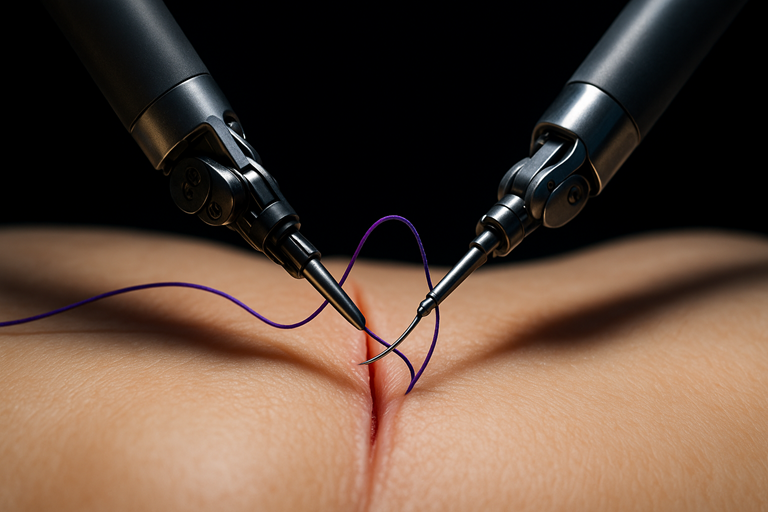
Robotic systems have already shown that they can perform movements more precise than the human hand. Machines such as the Da Vinci system help surgeons operate with a level of steadiness that eliminates tremors and protects delicate tissue. Other devices, like the Smart Tissue Autonomous Robot, can even place sutures independently.
According to patient groups, the benefits are clear. People who undergo robot assisted surgery often report less pain, smaller scars and the chance to go home sooner. Some procedures, such as prostate removal, have become well established, while others including hernia repair, gallbladder removal and tumour excision are now expanding in specialist NHS centres.
Eleven new systems have recently been approved for conditional use in soft tissue and orthopaedic surgery, allowing hospitals to collect further evidence over the next three years. Early findings suggest shorter hospital stays and fewer complications compared with traditional open operations.
How AI Enhances Surgical Robots
AI is increasingly being used to guide robotic instruments, interpret imaging and support clinical decisions. Machine learning models can study scans, predict risks and even customise joint implants for knee and hip replacements.
Researchers are also experimenting with augmented reality overlays that help surgeons navigate complex anatomy, and with telesurgery, in which operations are carried out remotely using robotic arms in different locations. Trials in China have already shown that long distance procedures are technically possible.
AI powered systems are being developed to monitor a patient’s condition in real time, adjust movements instantly and recommend ergonomic changes that reduce fatigue for the surgeon. Studies show that less strain leads to fewer errors and better outcomes.
Which Surgeries Stand to Benefit Most
Robot assisted surgery is becoming more common in gynaecology, urology, cardiac care and orthopaedics. Hysterectomies, prostatectomies, mitral valve repairs and hip replacements are among the procedures where evidence points to improved accuracy and reduced recovery times.
Miniaturised robotic systems are also emerging. These smaller devices can be used in any standard operating room and have already shown promising results in bowel surgery, with short hospital stays and low complication rates.
Where Robotics Stands Today
Although the field is expanding quickly, experts stress that robots do not replace surgeons. All current systems require human oversight and decision making. Cost, training and unequal access across regions also remain challenges. Research highlights gaps in scheduling, workflow and integration of new technologies.
However, NHS leaders say the momentum is significant. With thousands more robot assisted procedures carried out every year and national guidance on the way, the technology is set to play a central role in future healthcare.
As one expert noted, robotic surgery is not a replacement for human skill but a powerful tool that, when combined with AI, could offer safer operations and shorter recoveries for thousands of patients.