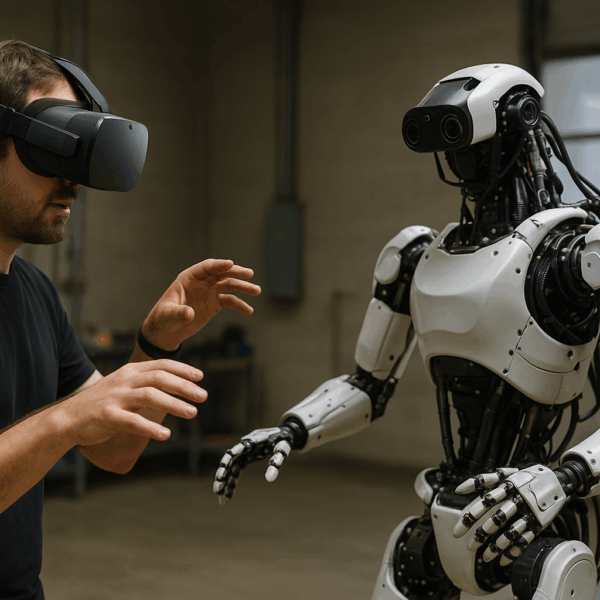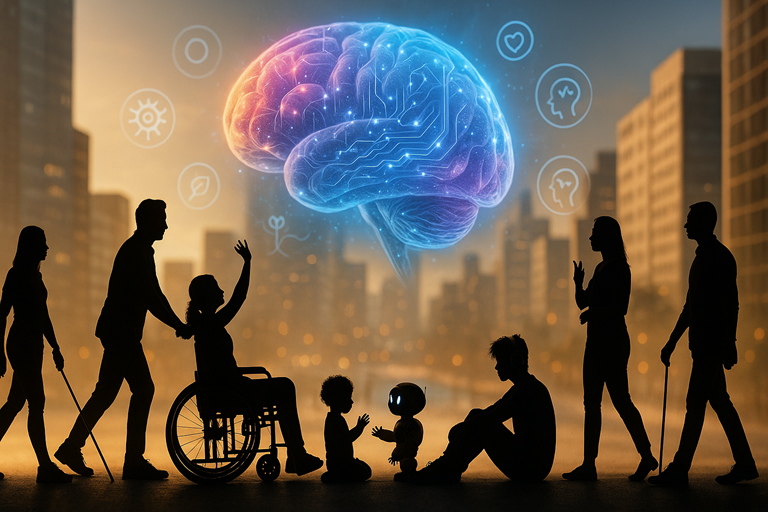
As artificial intelligence and robotics continue to advance, they are transforming the way people with physical and neurological disabilities live, learn and work. From robotic wheelchairs that navigate complex spaces to AI companions supporting neurodiverse individuals, technology is steadily dismantling barriers to independence and inclusion.
Robots in Education
In classrooms, robotics is already making a difference for students with developmental conditions such as autism. Researchers at Loughborough University have created Orbit, an education robot that helps children recognise emotions and improve communication skills. Developed with input from speech and language therapists, Orbit adapts lessons to each child’s needs rather than expecting them to conform to rigid curriculums.
These innovations aim to enhance, not replace, teachers. Tools like LEGO Technic kits allow children to experiment with building and programming robots, sparking creativity and self-esteem even outside traditional classroom settings. The result is a more equitable approach to education where every learner can thrive on their own terms.
Wearable Technology on the Rise
While many still picture robots as human-sized machines, some of the most exciting developments are small enough to wear. Wrist-worn seizure detectors from firms like Empatica are giving people with epilepsy peace of mind, while prototype hand exoskeletons are helping those with muscular atrophy regain movement and dexterity.
Thanks to advances in 5G and AI, wearable devices can now connect instantly to health services, monitor user wellbeing in real time, and even learn from individual habits. Analysts predict that wearable robotics will soon play a key role in rehabilitation and assisted living, helping users stay mobile and independent for longer.
Smarter Mobility and Care
Globally, over a billion people live with significant disabilities, and mobility aids are becoming increasingly intelligent. At the Hong Kong University of Science and Technology, engineer Ming Liu has developed a robotic wheelchair that maps its surroundings in 3D using ultrasound sensors, allowing users to move safely from one point to another.
Home robotics is also helping people remain independent. In the UK, the Genie robot developed by care provider Cera reminds users to take medication, stay hydrated, and connect with carers via video calls. Early trials have shown impressive results, reducing missed medication and easing pressure on overstretched care staff.
For those with spinal cord injuries, robotic rehabilitation systems are offering new hope. Studies show that such devices can boost motivation, autonomy and confidence, though researchers stress the importance of balancing technological support with human connection.
Empowering Neurodiverse Workers
AI is also helping people with ADHD, autism and dyslexia navigate the workplace more effectively. Smart assistants can take notes, summarise meetings, and organise schedules, allowing employees to focus on their strengths such as creativity and hyperfocus.
A UK government study found that neurodiverse professionals reported 25 per cent higher satisfaction with AI tools than their neurotypical peers. Experts say inclusive design in AI could not only improve accessibility but also increase productivity and innovation across industries.
The Future of Accessibility
The next generation of assistive robotics is set to be smarter, lighter and more responsive. Japanese firm Kawatek, for example, is developing AI-driven bionic prosthetics that use light-based sensors to connect with the body. Japan’s exoskeleton market, already worth billions, is projected to triple by 2033 as ageing populations and technological advances drive demand.
As AI and robotics mature, the line between assistance and empowerment will continue to blur. From wearable aids to intelligent companions, these innovations promise not just to help people live more comfortably but to create a world where accessibility is built into everyday life, not added as an afterthought.