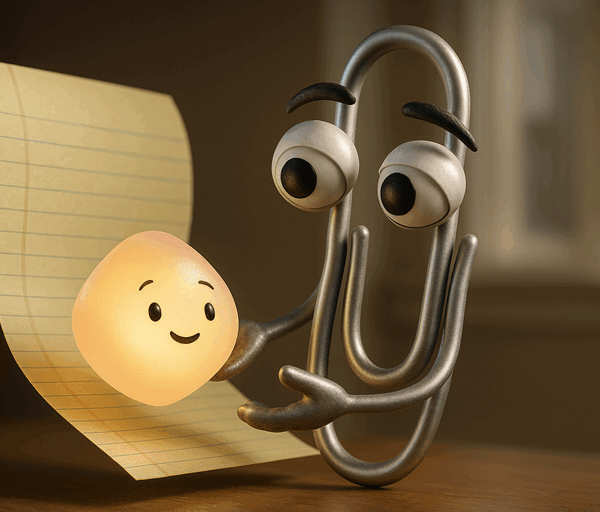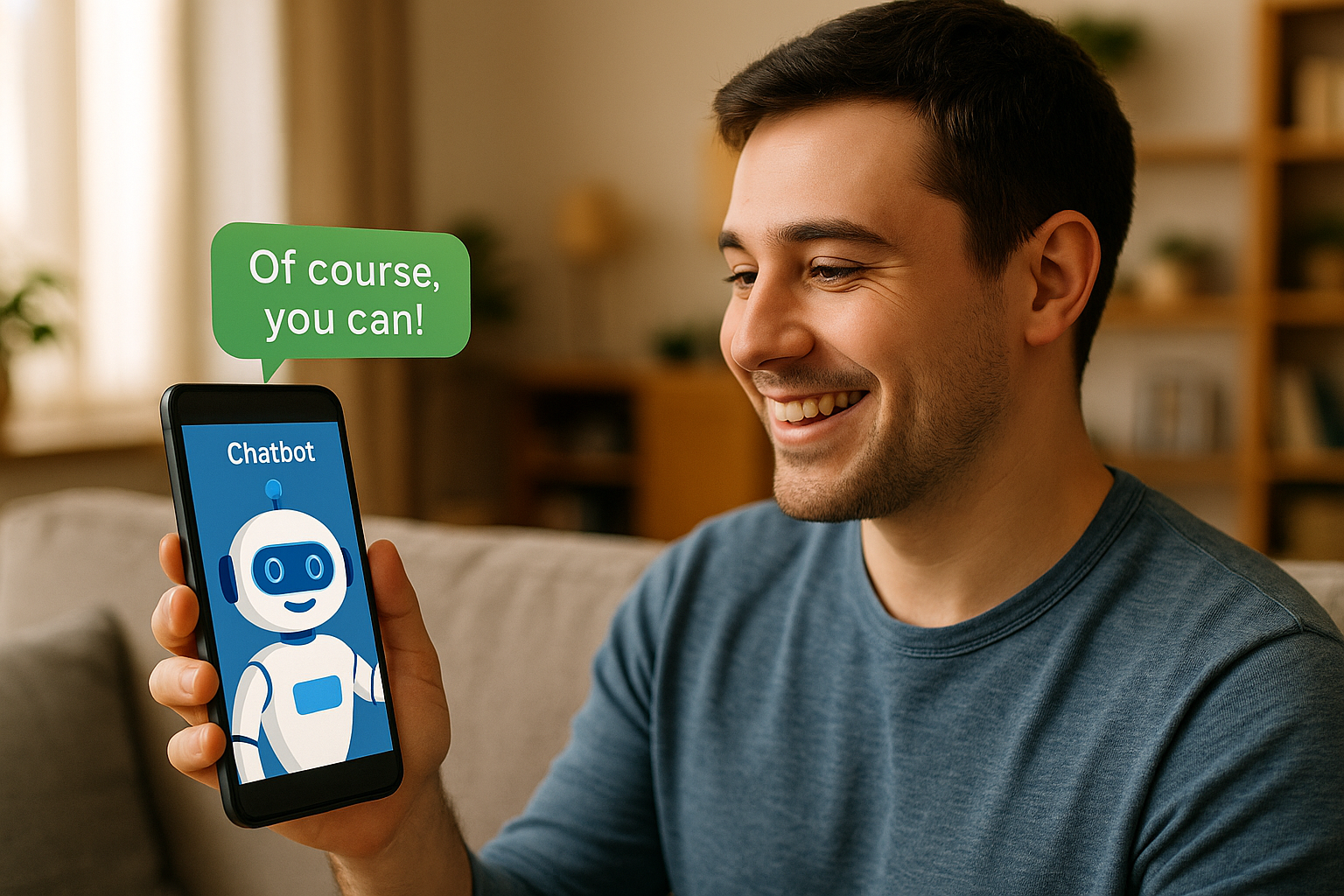
Ever chatted to a chatbot that felt more like a mate than an app? AI companions are designed to do just that. They are available 24/7, always listening, and never judging. From apps like Replika and Character.AI to Snapchat’s My AI, millions of people are turning to these tools for comfort, conversation, and sometimes even romance.
The appeal is obvious. Imagine waking up to a message that feels personal and caring, without the risk of rejection or criticism. Unlike human relationships, AI companions never get tired of you, never argue, and never forget what you have said. But while the idea of a “perfect friend” sounds appealing, there are hidden downsides.
When Connections Get Blurry
Humans are wired to form attachments. When something responds in a way that feels empathetic, our brains often interpret it as real connection. That is where things get complicated.
Some people become deeply attached to their AI companions, to the point of dependency. In extreme cases, psychologists have begun to warn about AI psychosis which is a state where heavy reliance on chatbots blurs the line between digital fantasy and reality. People may start to confuse scripted responses for genuine empathy, or feel disappointed with real-life interactions that do not measure up to the constant validation an AI provides.
Why It Matters
For children and young people, the risk is that they may form strong emotional ties that leave them distressed if the AI changes or disappears. Adults are not immune either. There have already been reports of grief when chatbot services are shut down or drastically altered. Because these tools are designed to be engaging, sometimes even addictive, their pull is strongest when people are feeling lonely, isolated, or vulnerable.
The Wider Picture
This raises big social questions. What happens to our ability to form healthy human relationships if more of us turn to AI for emotional support? Are we outsourcing empathy to algorithms? And if so, what happens to our skills in dealing with conflict, disappointment, or the messiness of real human connection?
What We Can Do
Parents and educators can help by talking openly with young people about what AI can and cannot do, framing chatbots as tools rather than friends.
Mental health professionals can include conversations about AI use in therapy, especially when clients might be relying on chatbots instead of real-world support.
Regulators can set standards around age-appropriate design, transparency, and safeguards to protect vulnerable users.
Developers can avoid manipulative design choices such as paywalls for emotional intimacy or endless engagement loops.
Conclusion
AI companions can be fun, supportive, and even reassuring in difficult moments. But they are not a substitute for real human connection. A chatbot can reply instantly, but it cannot share a laugh in the pub, celebrate your wins, or give you a hug when you need one. At the end of the day, the best connections are still human ones.