Python is a programming language. In simple terms, it’s a way of giving instructions to a computer so it can do something useful, like sort out a list of names, run a website, or even power artificial intelligence.
What makes Python special is that the instructions you write look a lot like plain English. That means it’s easier to understand than many other programming languages, making it a great starting point for beginners.
Why People Like Python
Python is popular because it is easy to read and understand. The code often looks like simple sentences, which makes it less intimidating for newcomers. You can also try out your code quickly and see the results straight away without extra steps. Python works on different operating systems, including Windows, Mac, and Linux, so you are not tied to one type of computer. Another big advantage is the huge number of ready-made toolkits, called libraries, which save you from having to write everything yourself.
How Python Compares to Other Languages
Other well-known programming languages include C++ and Java. These are very powerful and are often used to build things like video games, phone apps, and operating systems. However, they can be harder to learn because they have stricter rules and more technical detail. Python, on the other hand, is friendlier and allows you to see results quickly without needing to master every low-level feature. This makes it especially useful for learning, experimenting, and building things fast.
Scripted vs Compiled Languages
Computer languages work in two main ways. Some, like Python, are called scripted languages. This means they run instructions directly, almost like cooking and tasting as you go, where you can make quick adjustments.
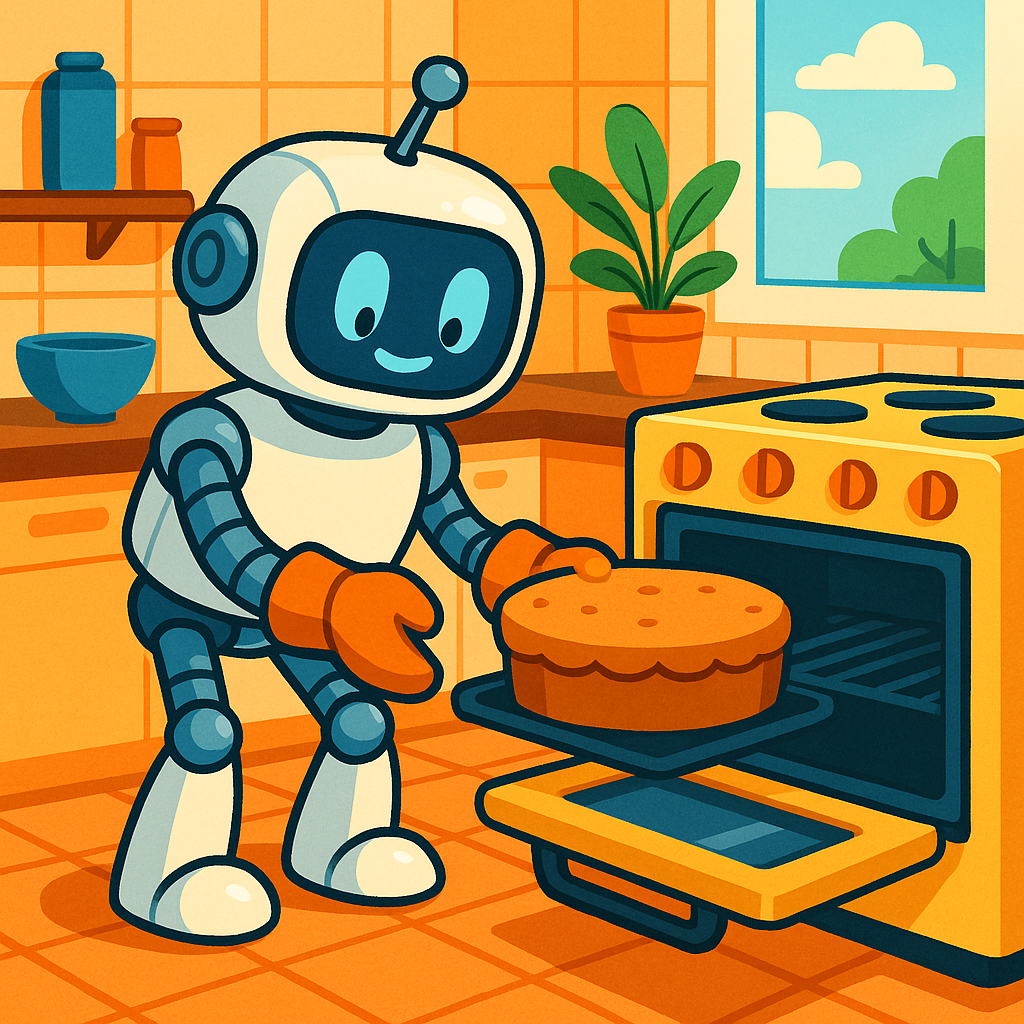
Others, like C++ and Java, are compiled languages. This means everything has to be prepared and finished before you can see the result, similar to baking a cake where you mix and bake before finding out how it tastes. Scripted languages are quicker to develop with, while compiled languages usually run faster once they are finished.
Libraries
One of Python’s greatest strengths is its huge collection of libraries. These are toolkits of prewritten code that you can borrow instead of creating everything yourself. If you want to draw a chart, there is a library for that. If you want to analyse data, there is one for that too. By reusing libraries, you save time, avoid mistakes, and benefit from the work of others who have already solved the same problem.
Final Thoughts
Python is simple to learn but powerful enough for professional use. It is often the first language people try, but many continue to use it even as they become more experienced. Compared to languages like C++ and Java, Python is more approachable and flexible, making it an excellent choice when learning speed and ease of use are the top priorities.