Professional photographers across the UK are reporting a significant loss of work as generative artificial intelligence tools increasingly replace commissioned imagery, according to a new industry survey.
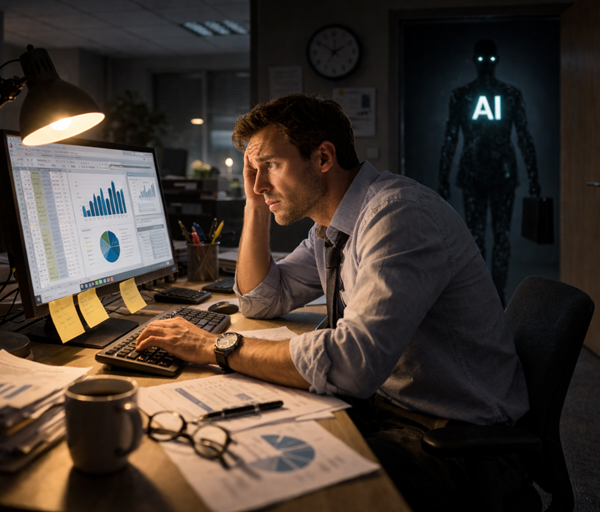
The Association of Photographers AOP says more than half of its members have lost paid work to AI image generators, raising concerns about the long term future of the profession and the protection of creative rights.
AI impact on photographers’ livelihoods
The AOP survey, conducted in January 2026, found that 58 percent of respondents had lost commissioned work directly to generative AI services. While average income among respondents rose by 10 percent year on year, the organisation says this masks a deeper problem.
There has been a sharp fall in both commissions and licensing. The number of images licensed by members dropped by 65 percent compared with the previous year, while publicly visible images on photographers’ websites fell by almost half.
The AOP believes this decline reflects growing anxiety among photographers about their work being scraped without permission to train AI models.
One photographer told the association that their business turnover had fallen by more than 60 percent in a single year, amounting to losses of between £50,000 and £100,000.
Overall, the AOP estimates that its members lost more than £1m in commissions during the past year, averaging nearly £35,000 per photographer.
Growing anger over copyright and transparency
The survey reveals deep frustration with how AI companies are using creative work. Almost all respondents said they wanted compensation for past infringements, while every member surveyed called for greater transparency over how images are used to train AI systems.
More than 85 percent said the default approach should be opt in, meaning photographers would actively choose to allow their work to be used for AI training, rather than having to opt out.
There is also strong resistance to licensing images for machine learning. Nearly 90 percent said they would not agree to their work being used as training data, citing loss of control, inadequate compensation and direct competition with their own businesses.
Calls for regulation and labelling
The findings come as the AOP joins four other UK creative organisations to lobby Parliament for urgent action. Together they have published a report titled Brave New World? Justice for Creators in the Age of Generative AI.
The group describes generative AI as the greatest act of theft in modern history, warning that creative work is being replicated and monetised by overseas technology firms without consent or payment.
There is also overwhelming support for mandatory labelling of AI generated images, with more than 96 percent of photographers saying such rules are needed to protect audiences and creators alike.
An uncertain future for photography
Industry leaders warn that without regulation, the UK risks hollowing out one of its most influential creative sectors. Photography plays a central role in advertising, journalism and culture, supporting tens of thousands of jobs.
The AOP says generative AI is not just threatening income but also the visibility of human made work, as algorithmically generated images flood the market.
However, it argues that the situation is not irreversible. With clearer copyright protections, fair compensation and transparent data practices, AI could coexist with human creativity rather than replace it.
As photographers report a decline in work, the debate over how technology should serve creativity is moving rapidly from studios to Parliament, where decisions made now could shape the future of the industry for decades to come.