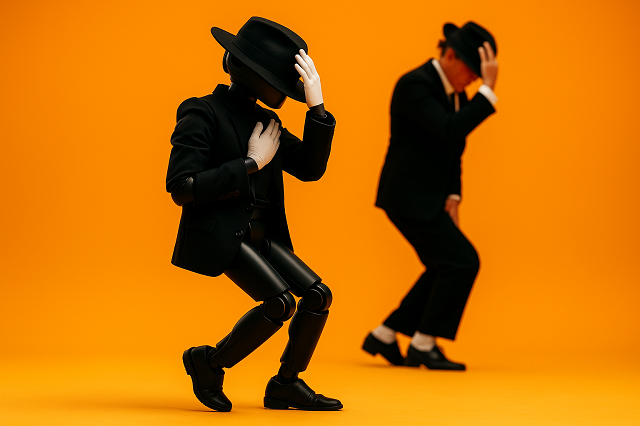
Chinese robotics firm Booster Robotics has turned heads and a few ankles with the launch of its latest creation, the Booster K1, a pint-sized humanoid robot that can walk, balance, recognise objects, and yes, dance like Michael Jackson.
A robot with rhythm
When Booster Robotics unveiled a video of the K1 moonwalking across the lab floor, the internet understandably did a double-take. The 95cm-tall robot glides and spins in perfect time, executing dance moves that would make the King of Pop proud. While the clip was played for laughs, it also demonstrated the impressive engineering packed inside this little machine, including 22 degrees of freedom, real-time motion planning, and impressively smooth joint control.
Underneath the showmanship lies some serious tech. The K1 is powered by NVIDIA’s Jetson Orin NX, a powerful AI computing module capable of running complex motion algorithms and object recognition in real time. The result? A robot that can move fluidly, react intelligently, and apparently bust a move.
Built for learning, not just performing
While the internet may remember the K1 for its dance skills, Booster Robotics is keen to stress its broader purpose. The company envisions the robot as a developer-friendly platform for education, research, and robotics competitions.
Priced from $4,999 (£4,100), the K1 aims to make advanced humanoid robotics accessible to classrooms, labs, and startups, a fraction of what many research-grade robots cost. It arrives fully assembled in a carry case, ready to use, with support for Python, ROS2, and simulation tools such as Isaac Sim, Mujoco, and Webots.
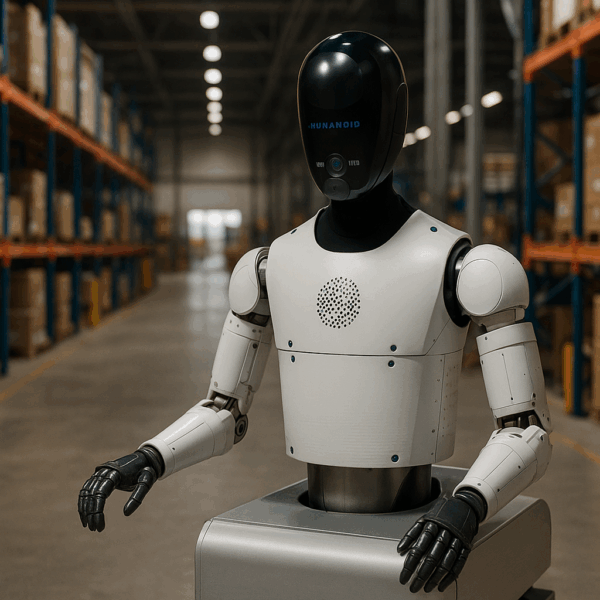
The hardware is equally practical. The K1 weighs just 19.5kg, making it portable enough for demonstrations or teaching sessions. It’s equipped with a 3D depth camera, microphone array, 9-axis IMU, and speakers, allowing for perception, balance, and audio interaction. Developers can even add edge-based large language models for speech recognition and conversation.
From classroom to RoboCup champion
The K1 isn’t just a pretty face (or rather, a pretty plastic shell). It’s already proven itself in the 2025 RoboCup “KidSize” category, where it was crowned champion. Its agile design and responsive control make it ideal for competitive robotics, particularly events focused on human-like movement and team coordination.
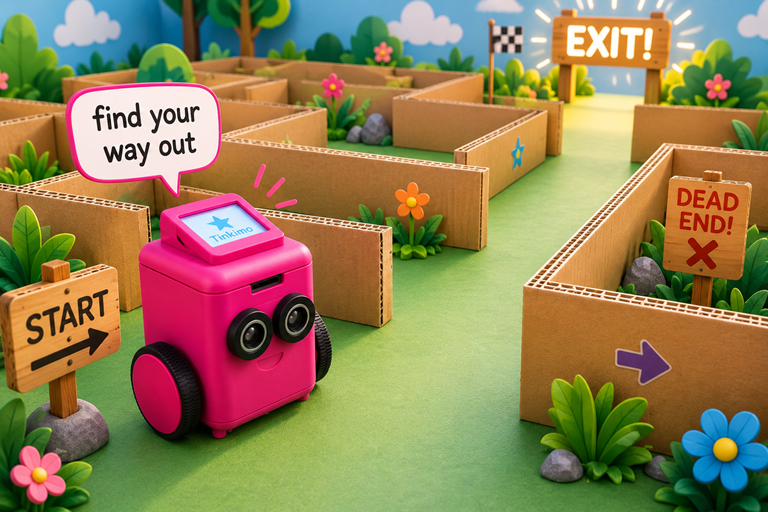
Booster describes the K1 as a “soul dancer,” a nod both to its fluid motion and its adaptability. Whether it’s teaching university students about control theory, navigating a maze autonomously, or serving as a platform for AI research, the K1 is built to evolve with its users.
Accessible, adaptable, and a bit cheeky
In a market where humanoid robots can easily cost tens of thousands, the Booster K1’s relatively modest price tag and open software ecosystem make it a standout choice for developers and educators alike. It’s not just a lab tool; it’s a gateway to embodied AI experimentation with a touch of personality.
And while most robots might struggle to keep a beat, Booster’s new creation seems perfectly happy to lead the dance floor. As one viewer joked under the launch video: “If it starts doing Thriller next, we’re all in trouble.”
At least for now, the future of robotics looks bright and just a little bit funky.