Robots may look impressive with their long mechanical arms, but the real magic happens at the very end — with the end effector. Think of it as the robot’s “hand”. It’s the tool that actually touches, grasps, welds, paints, or senses the world. Without the right end effector, even the most advanced robot arm can’t do much more than wave in the air.
This guide explains what end effectors are, the main types, and how they’re used across industries.
What Is an End Effector?
An end effector (often called end-of-arm tooling or EOAT) is the device fixed to the end of a robot’s arm. It’s built to do a specific job: gripping, welding, spraying, or even performing surgery.
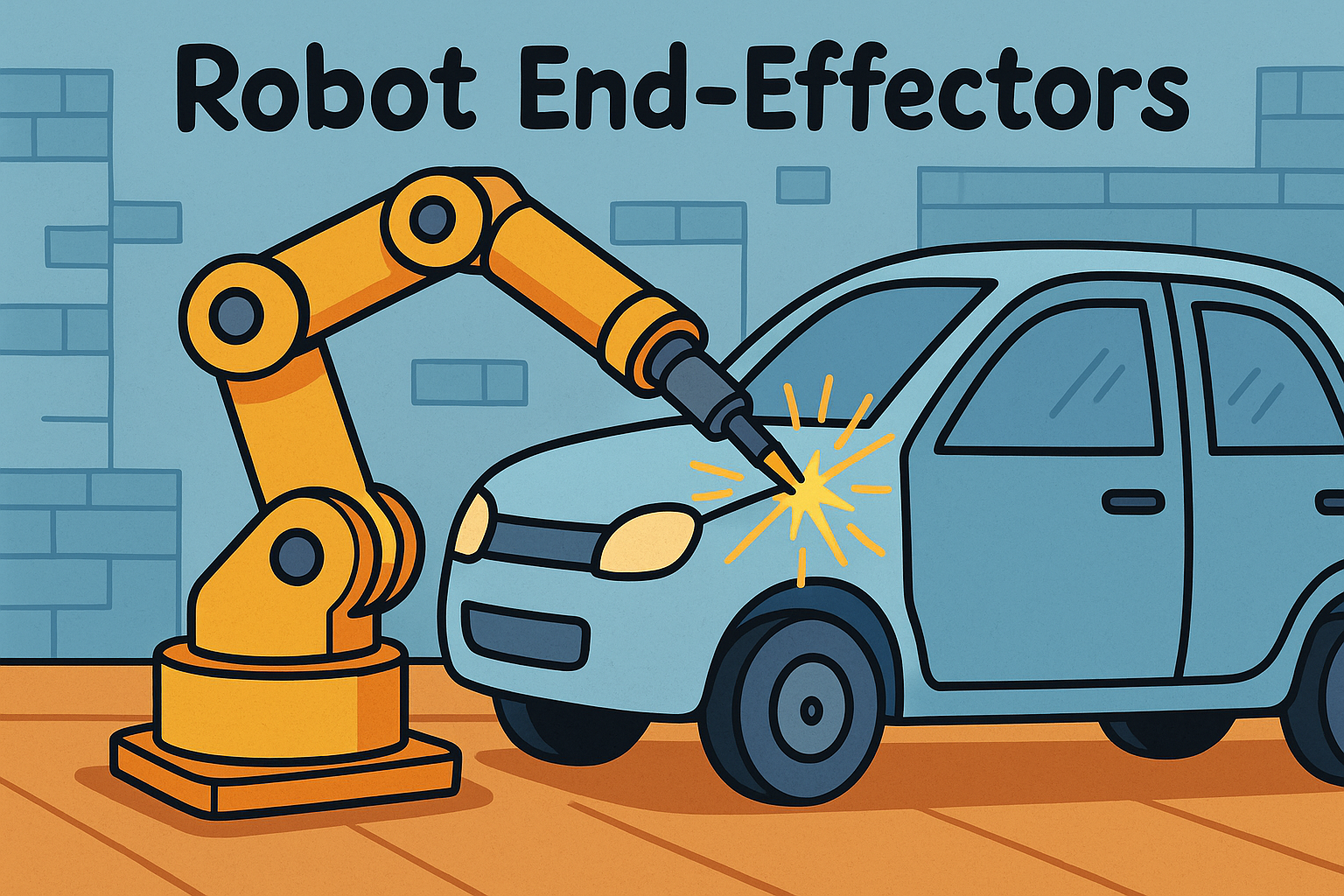
The choice of end effector determines what the robot can actually achieve. For example, a vacuum gripper can lift flat objects like glass panels without damage. A welding torch lets a robot join metal car parts quickly and consistently. A soft silicone gripper can handle fruit gently, ideal for food packaging.
In short, the end effector turns robotic motion into useful work.
Types of End Effectors
End effectors come in many forms, but they generally fall into three main categories.
1. Grippers
Grippers are the most common type of end effector. They allow robots to grasp, hold, and release objects, making them a go-to choice in factories and warehouses.

Mechanical grippers use jaws or “fingers” to clamp onto objects. They’re strong and reliable, well suited to assembly or moving heavier components.
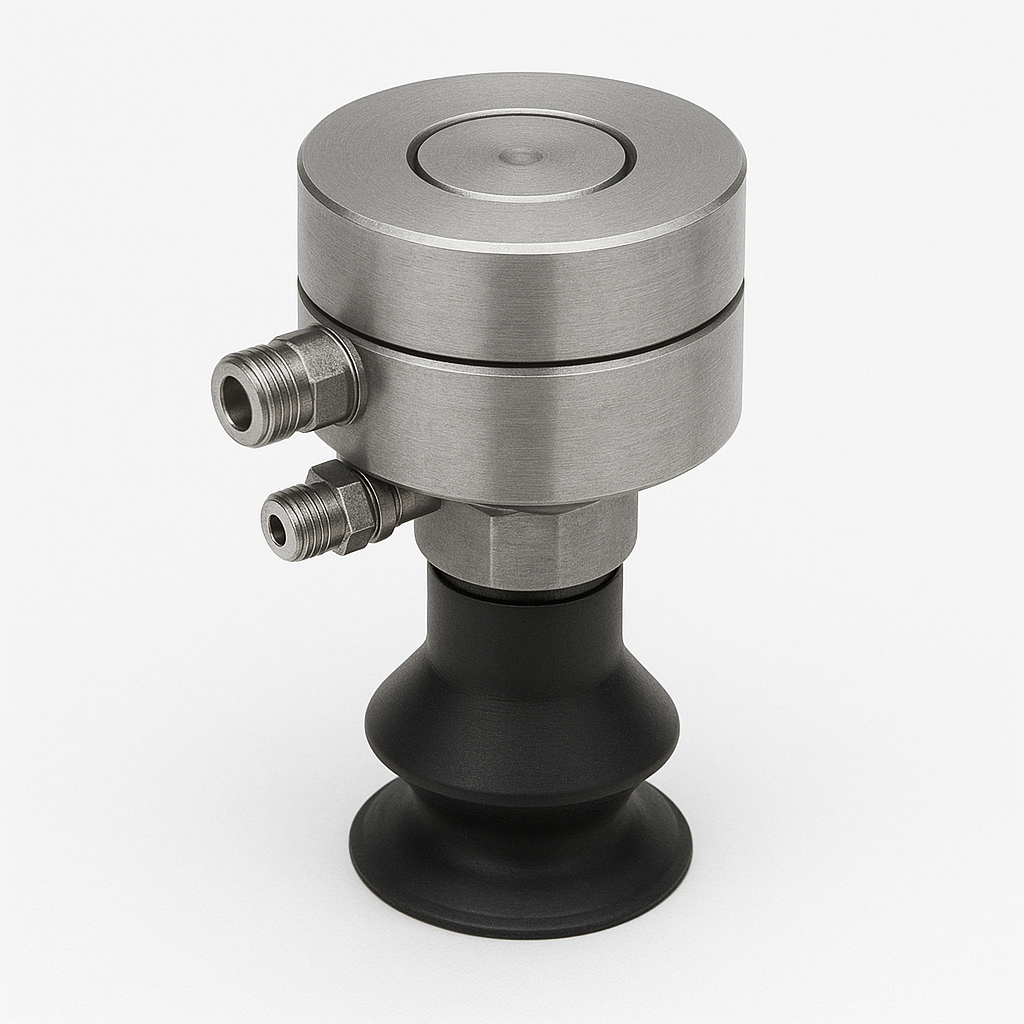
Vacuum grippers use suction cups driven by air or electric pumps. They’re ideal for lifting smooth items such as glass, cartons, or electronics trays.
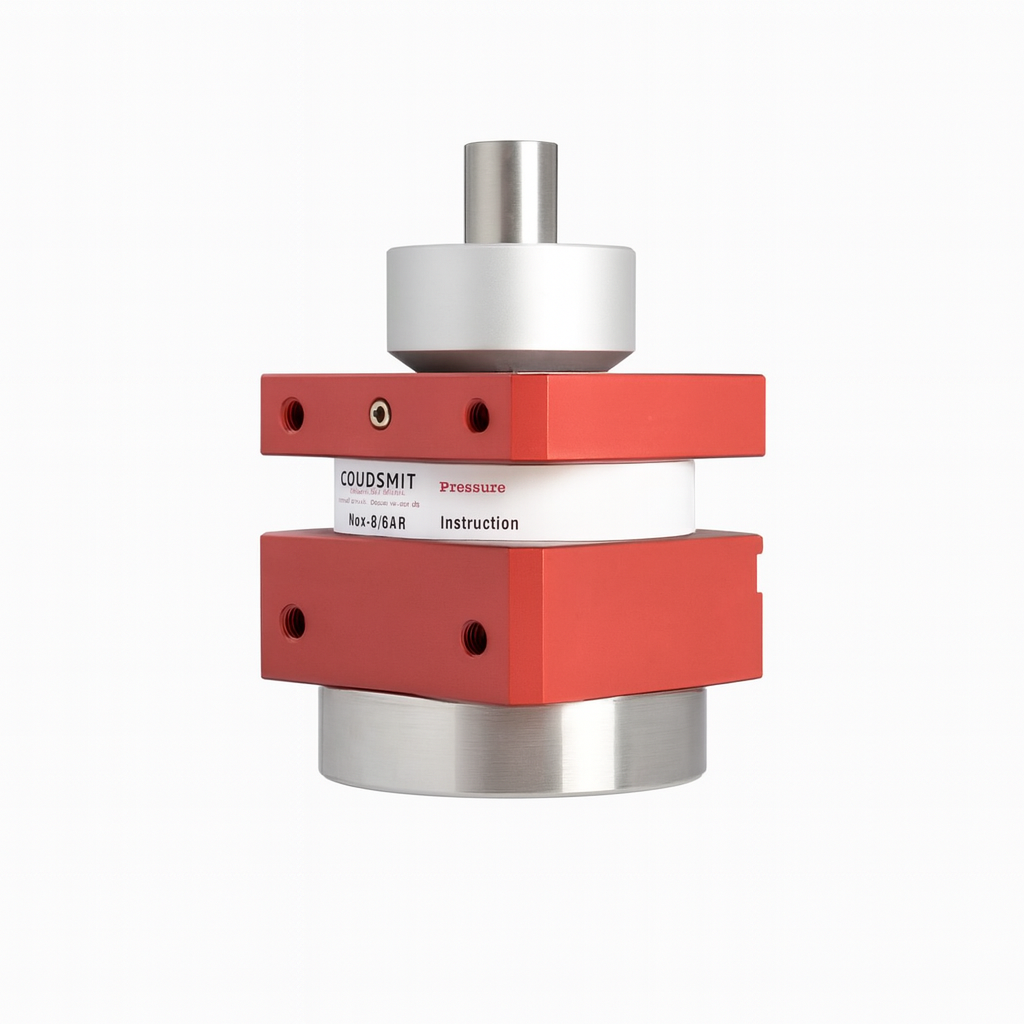
Magnetic grippers rely on magnets to lift ferrous materials like steel sheets or screws, helpful when clamping is awkward.
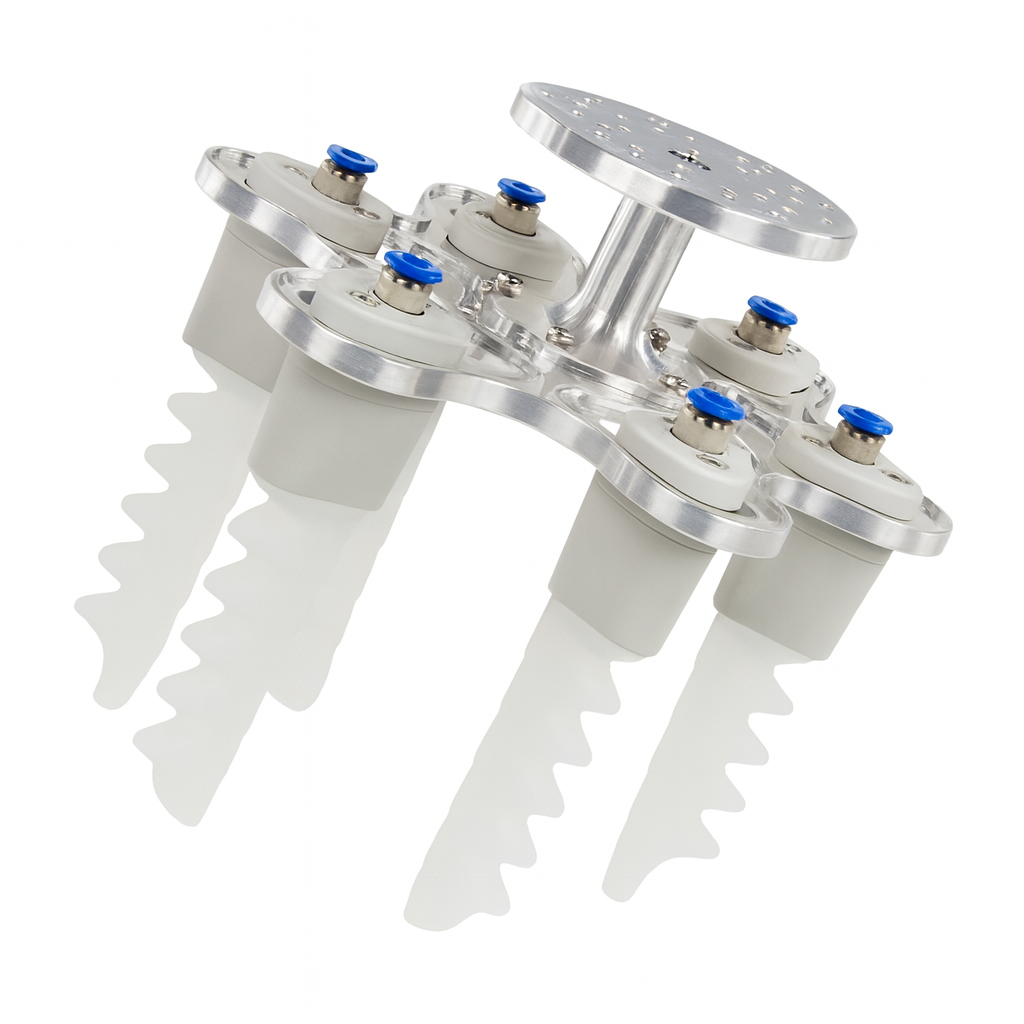
Soft grippers made from flexible materials (e.g., silicone) adapt to unusual shapes and protect fragile goods like fruit or baked items.
2. Process Tools
Process tools replace hand-held tools with robotic versions that work automatically.
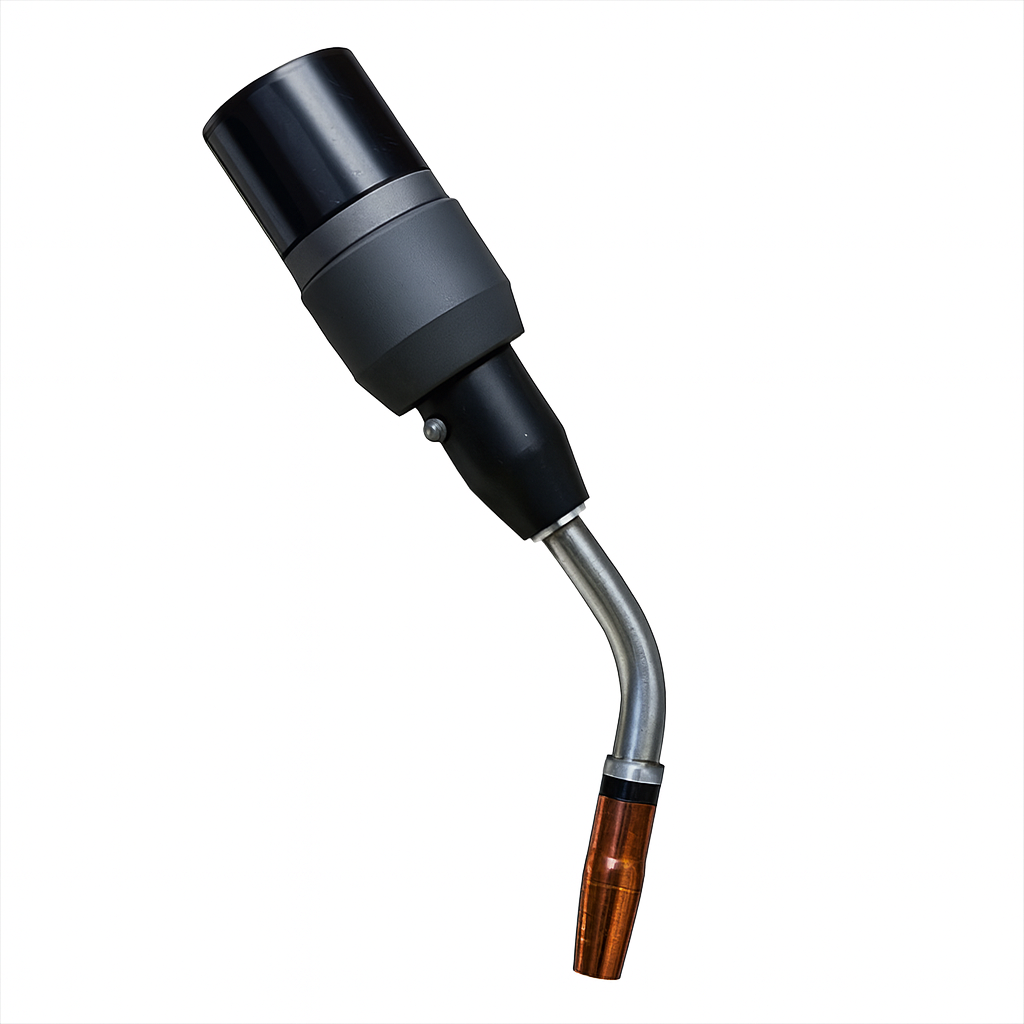
Welding torches deliver precise, repeatable welds — commonplace in automotive production.
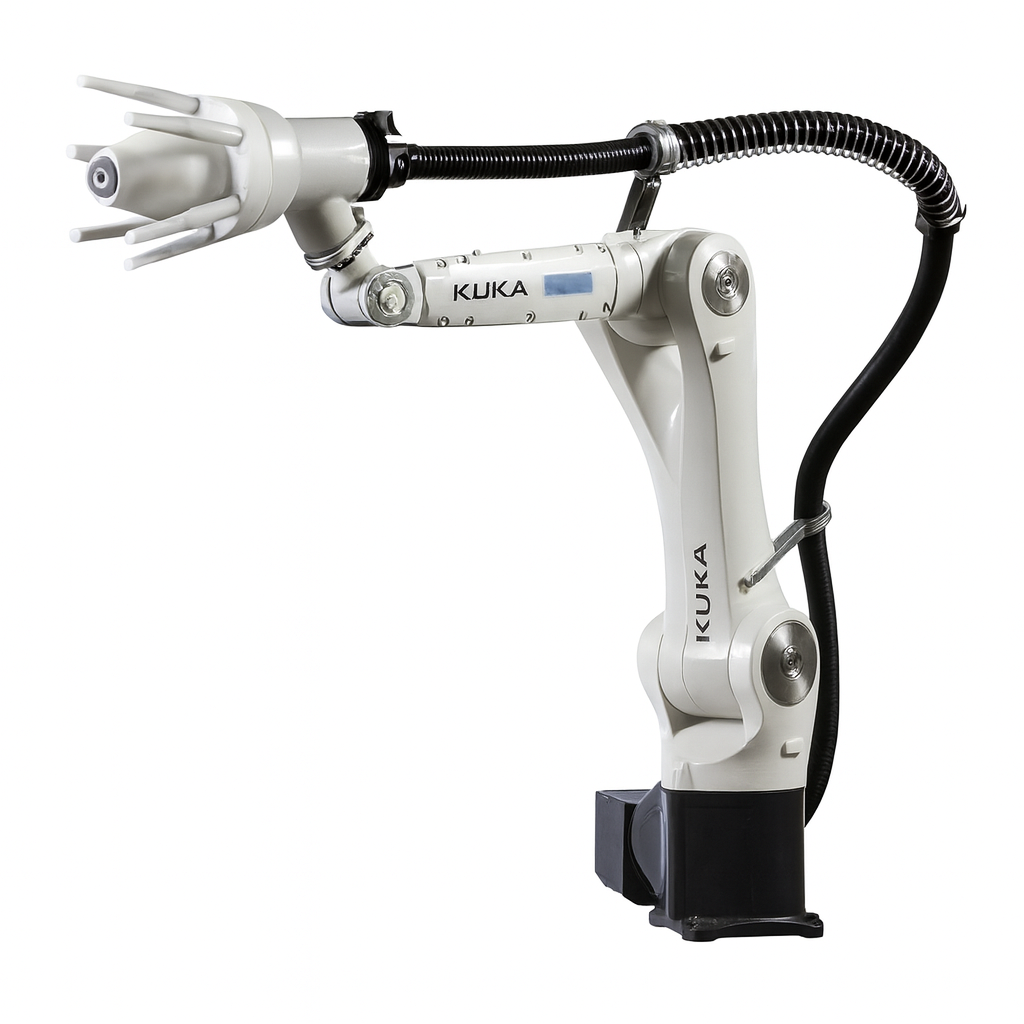
Painting nozzles turn robots into automated sprayers, applying uniform coatings for a consistent finish.
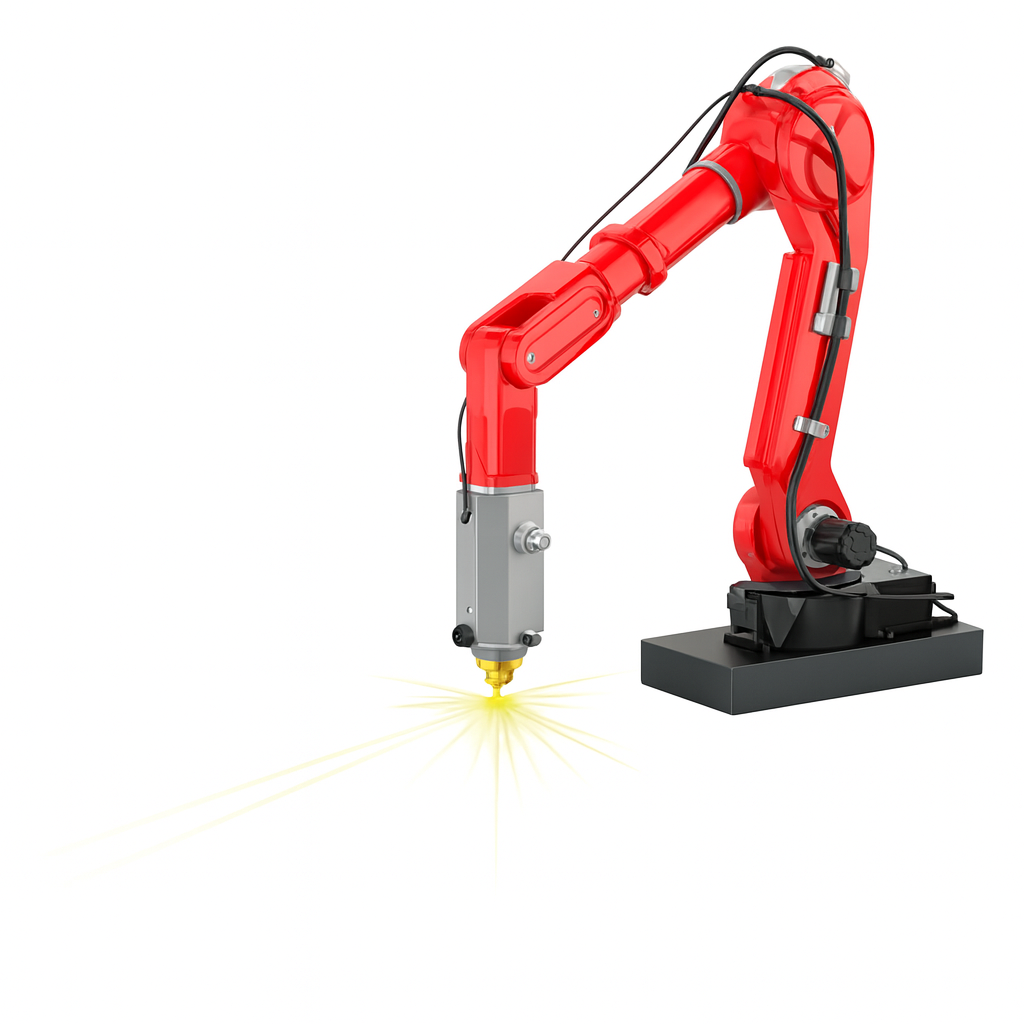
Cutting, grinding, and sanding tools shape and finish materials, saving time and reducing manual effort.
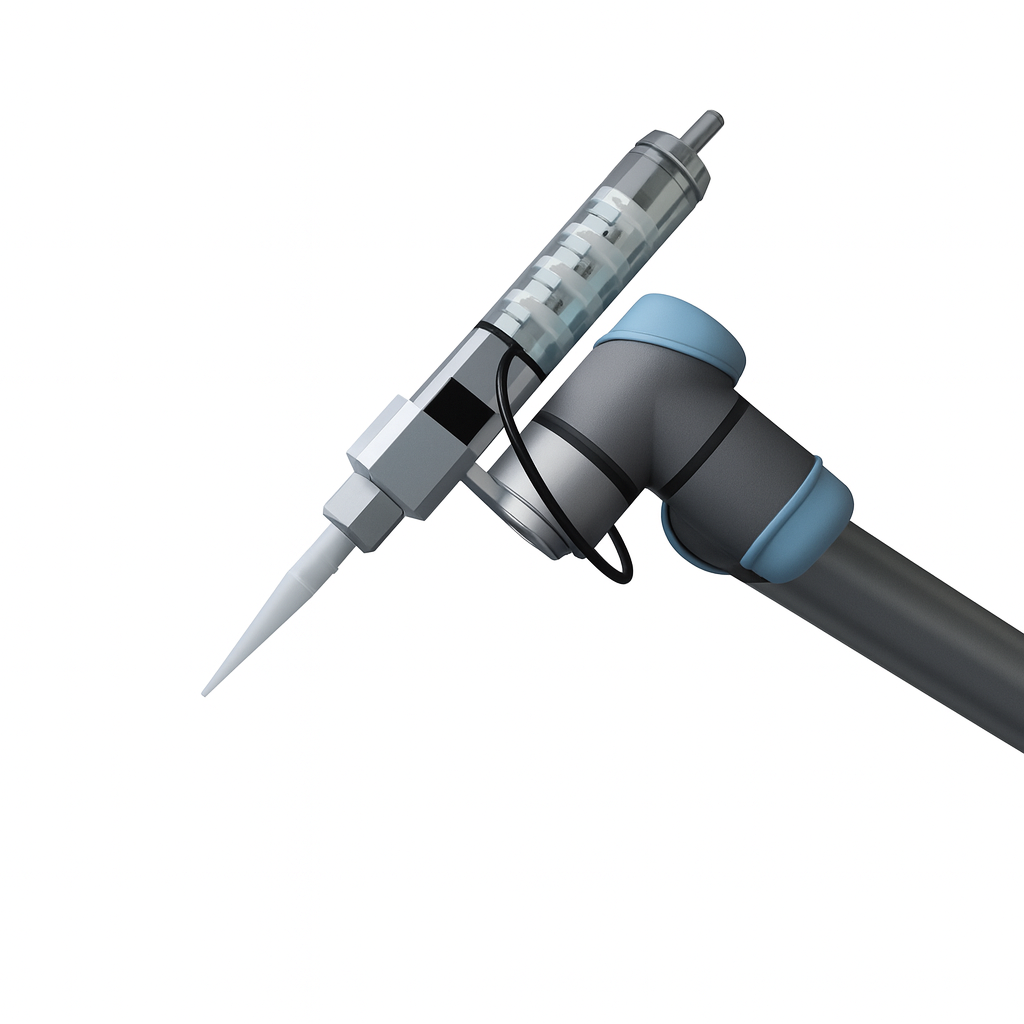
Dispensers apply adhesives, sealants, lubricants, or even 3D printing filament accurately to reduce waste.
3. Specialised Tools
Certain sectors need custom end effectors for niche tasks.
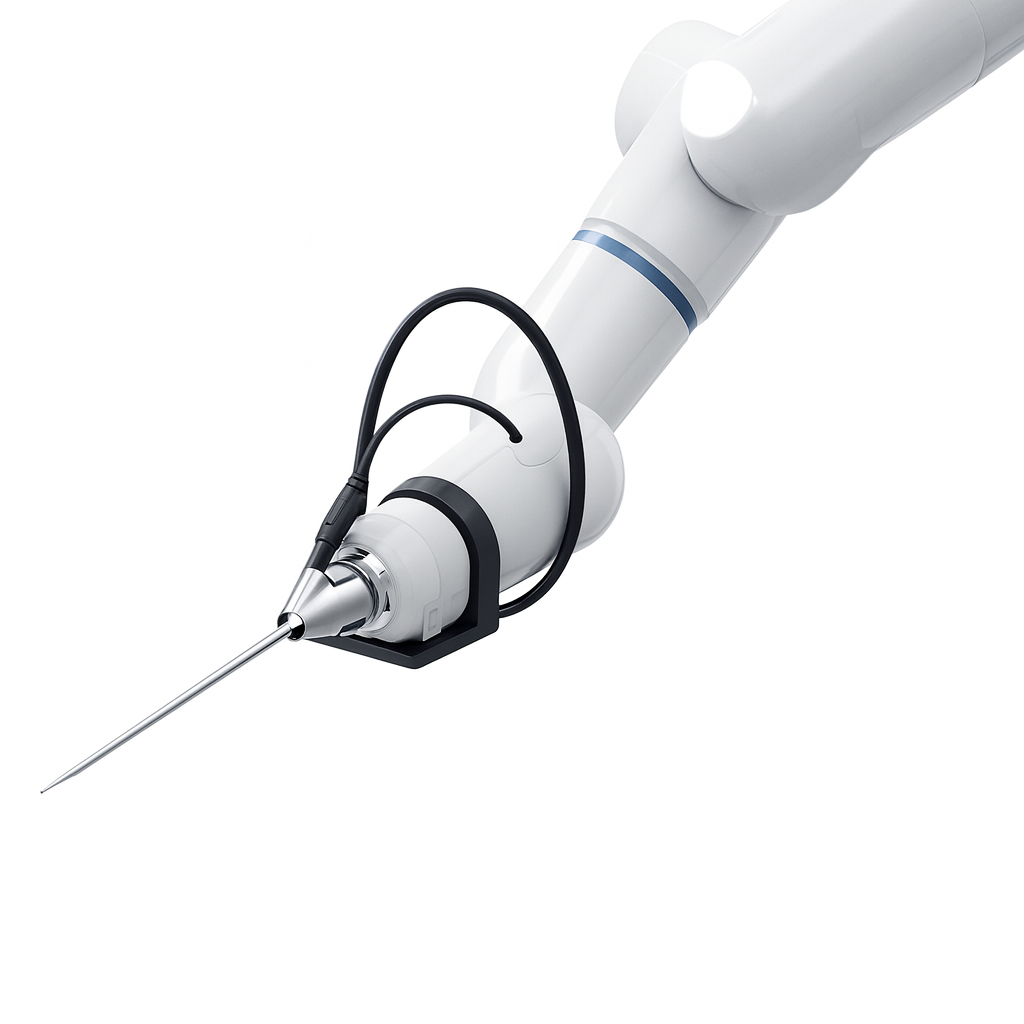
Surgical instruments enable robots to perform delicate procedures such as suturing with exceptional precision.
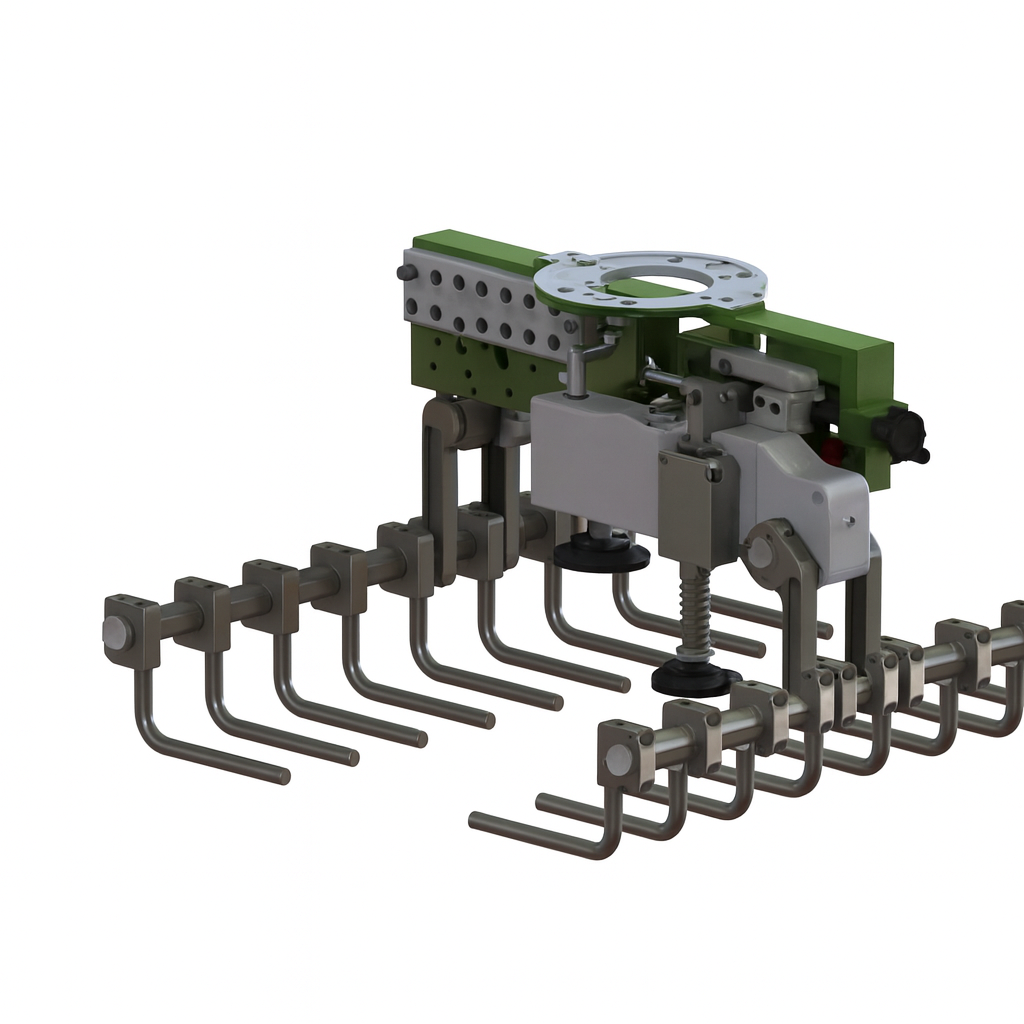
Custom palletising grippers lift whole layers of products, boosting warehouse throughput.
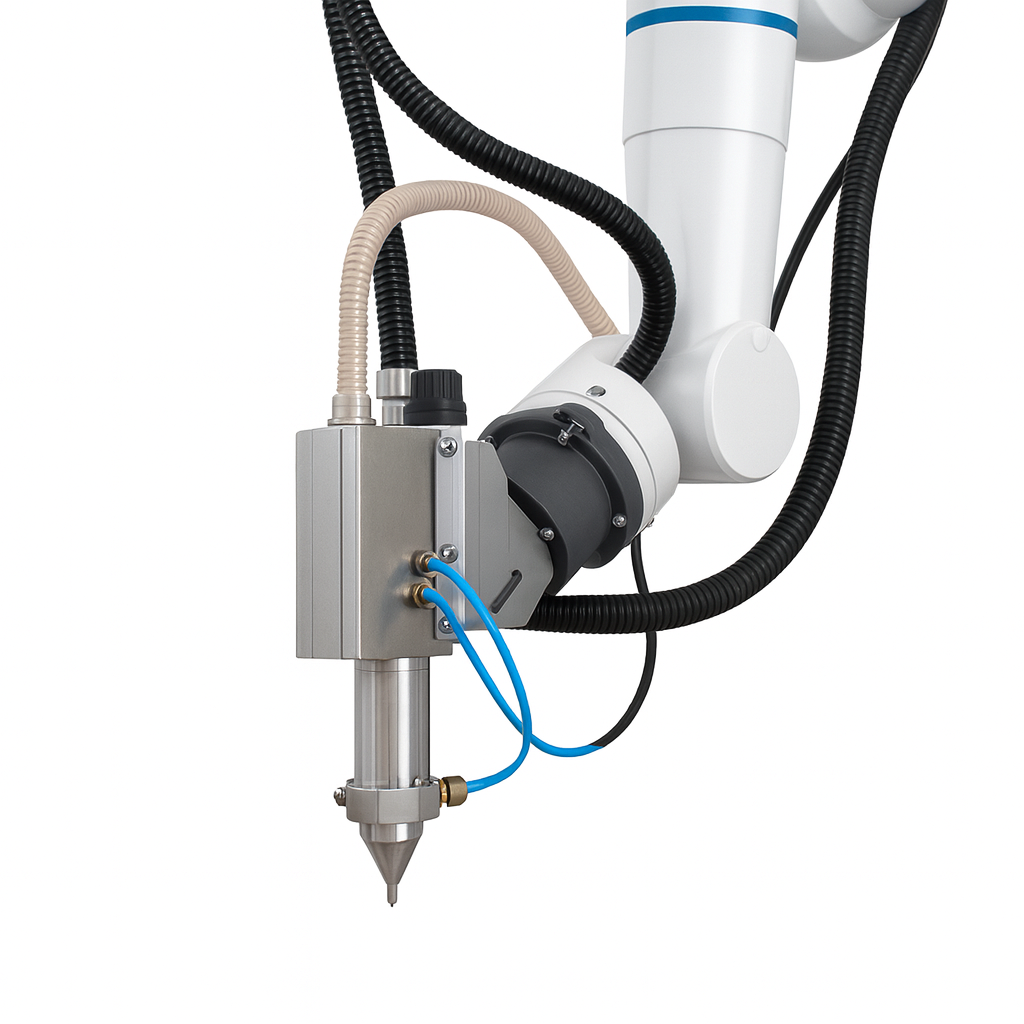
3D printing extruders mounted on robot arms build parts layer by layer for flexible manufacturing.
Choosing the Right End Effector
Start with the task: what material, size, weight, and fragility must the tool handle? Next, consider precision and speed — food packing may need gentle, fast handling, while automotive work demands high accuracy. Check compatibility with the robot, and weigh cost and maintenance: simple tools are cheaper to run; advanced, sensor-rich tools cost more but add capability.
Real-World Applications
In manufacturing, end effectors weld, assemble, and move parts. In food and drink, they pack delicate items without damage. In healthcare, they assist with surgery. In logistics, they stack boxes quickly and accurately. In construction, they drill, cut, and handle heavy loads.
The Future of End Effectors
Expect smarter, more adaptable tools: better compliance for precision, soft robotics for safer human–robot collaboration, and AI that helps tools learn and adjust to new tasks.
Key Takeaway
End effectors are the “business end” of robotics. They define what a robot can actually do — from welding cars to packing fruit or assisting surgeons. Understanding their types and uses is essential to designing safe, efficient, and future-ready automation.