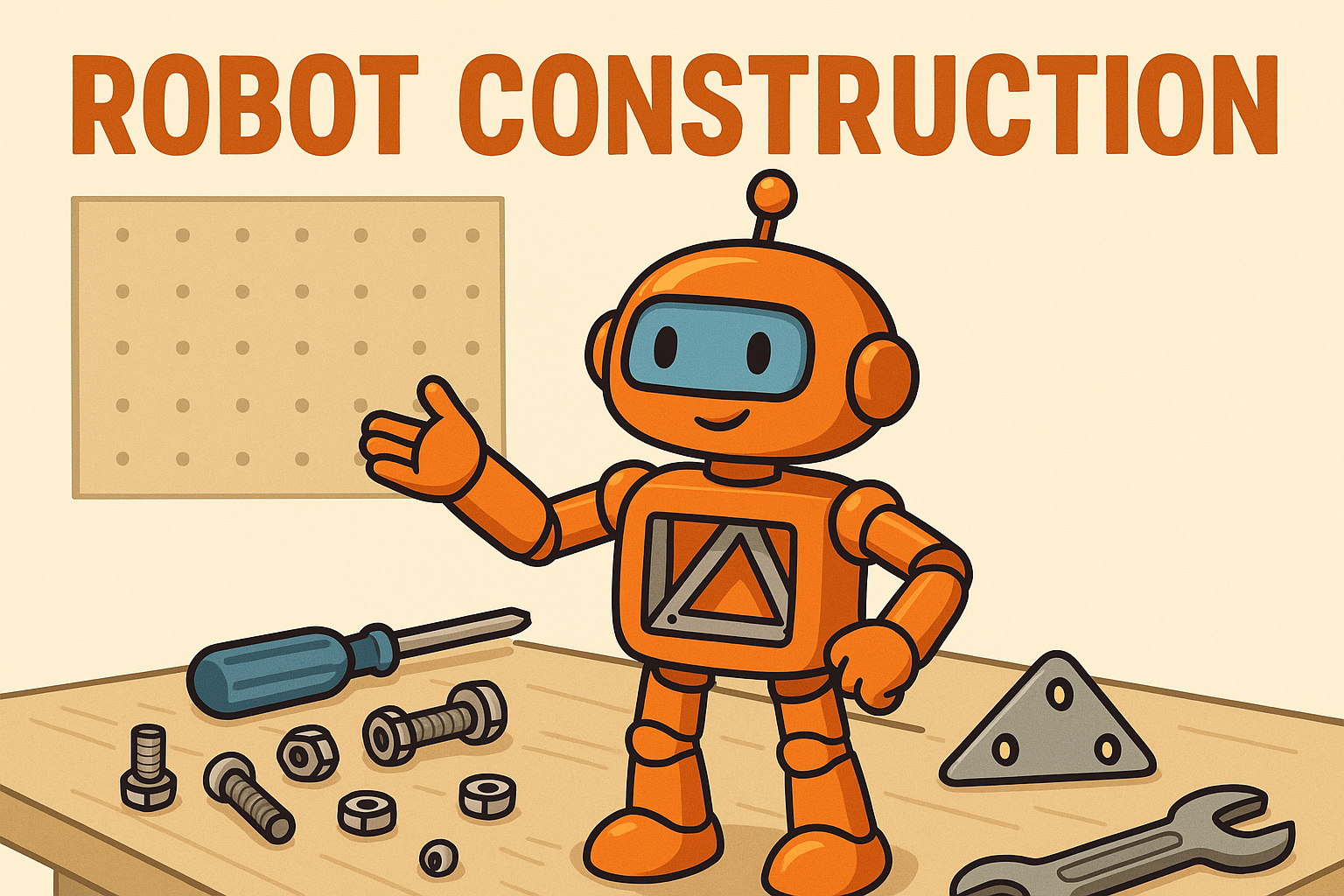
Building a Strong Robot Body
Beginner’s guide to robot structures: choosing materials, balancing strength and weight, using triangles, reinforcing joints, modular design,…
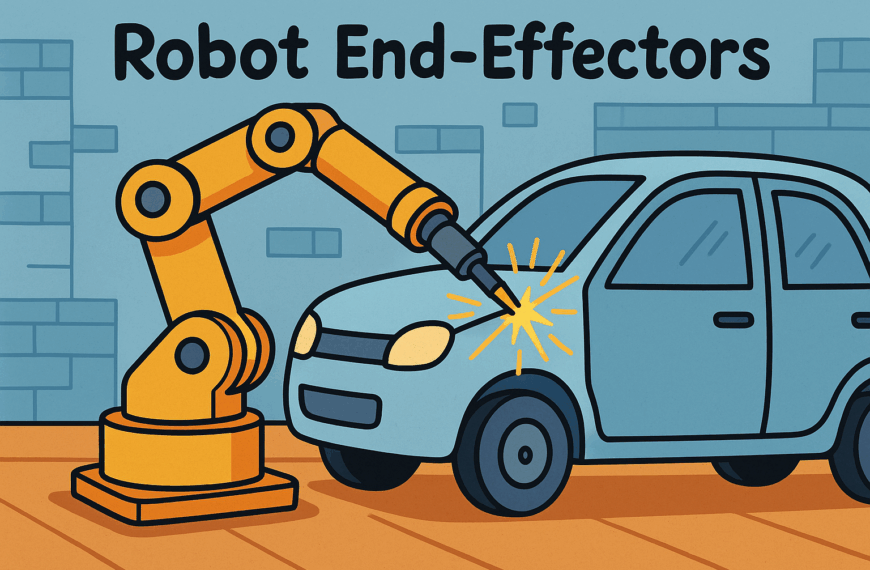
Beginner’s Guide to End Effectors in Robotics
Robots may look impressive with their long mechanical arms, but the real magic happens at the very…
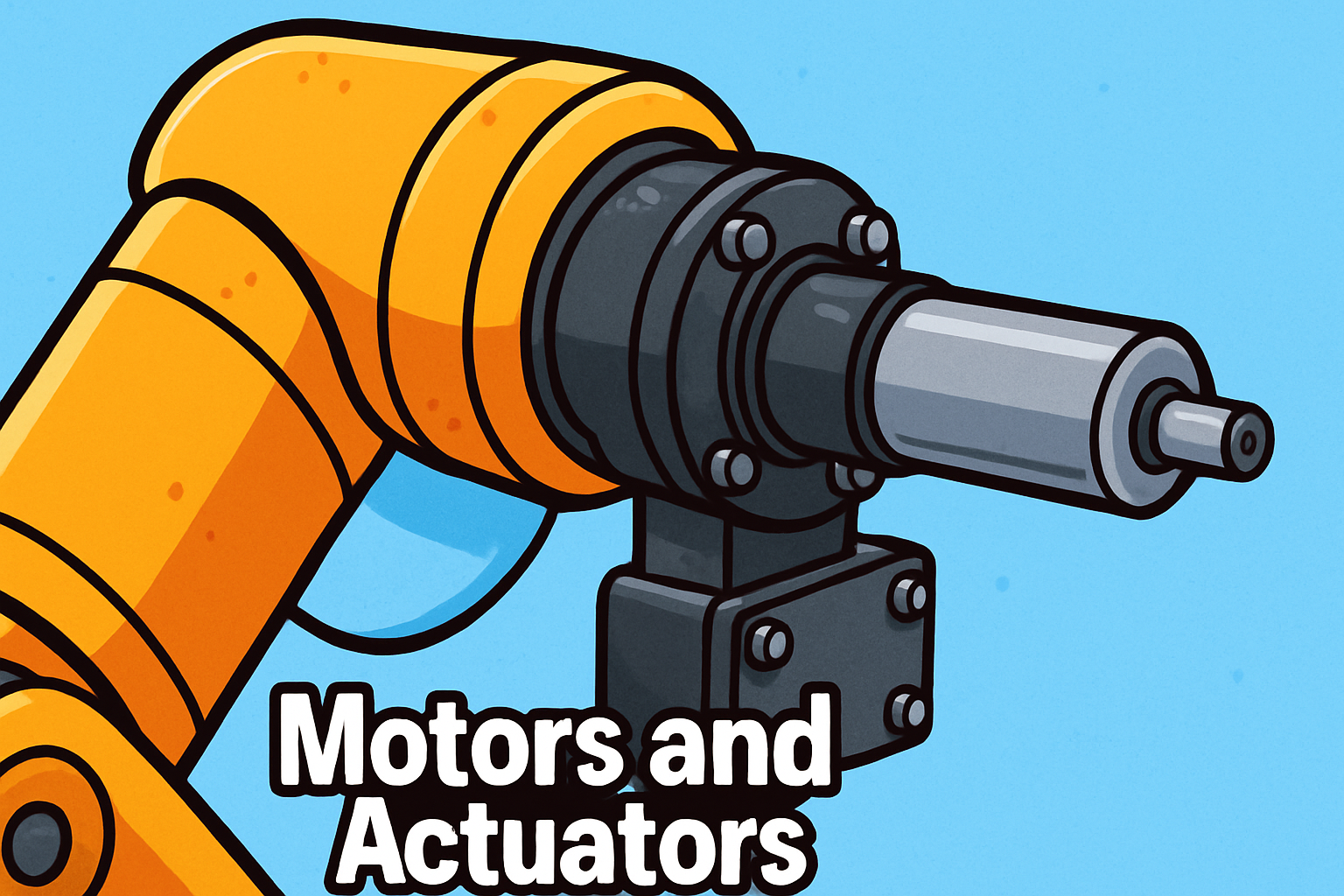
A Beginner’s Guide to Motors and Actuators
Motors and actuators convert energy into motion; stepper, DC, induction, servo, hydraulic, pneumatic, piezo, and linear each…

Beginner’s Guide to Robotics Sensors
Robotic sensors enable perception, movement, and safety by measuring position, distance, force, vision, and environment, often combined…
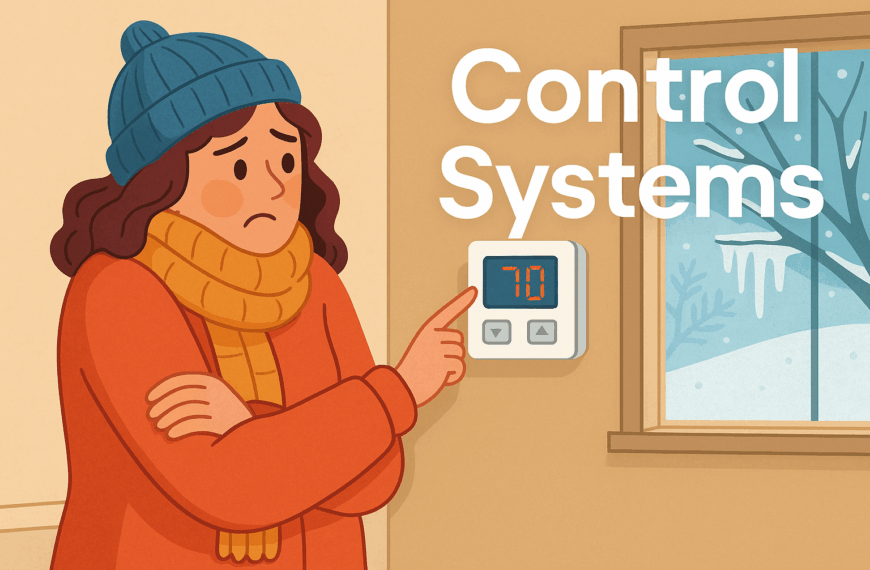
Why Your Car, Drone, and Thermostat All Need Controllers
A fun beginner’s guide to control systems, explaining open-loop, closed-loop, and PID controllers with simple examples, graphs,…

How Software Brings Robots to Life
An easy guide to robotics software, explaining development stages, simulation importance, and programming language choices for different…

How Robots Stay Powered
Robots need energy to function. Batteries provide power, but add weight. Managing charging, draining, and efficiency is…
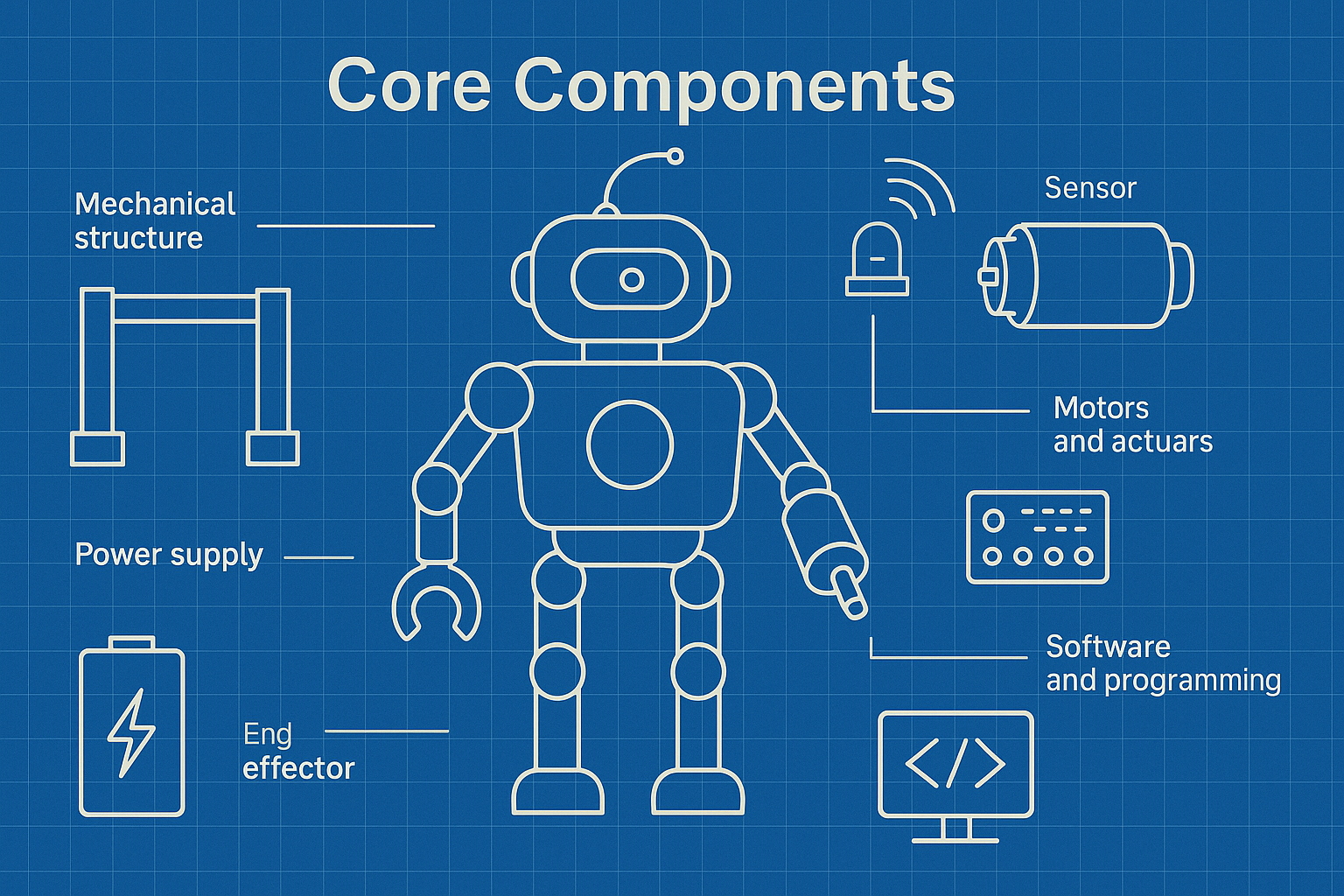
The Core Components of a Robot
Robots rely on seven core components—power, software, control, sensors, motors, end effectors, and structure—to function effectively.