Chinese startup DeepSeek has released DeepSeek-V3.1-Terminus, its latest large language model, described as more reliable and versatile than earlier versions.
The system combines Search Agents, which fetch live information, with Code Agents, which can write and debug software. This pairing allows the model to research problems and then implement solutions automatically, cutting development time.
Improvements on earlier versions
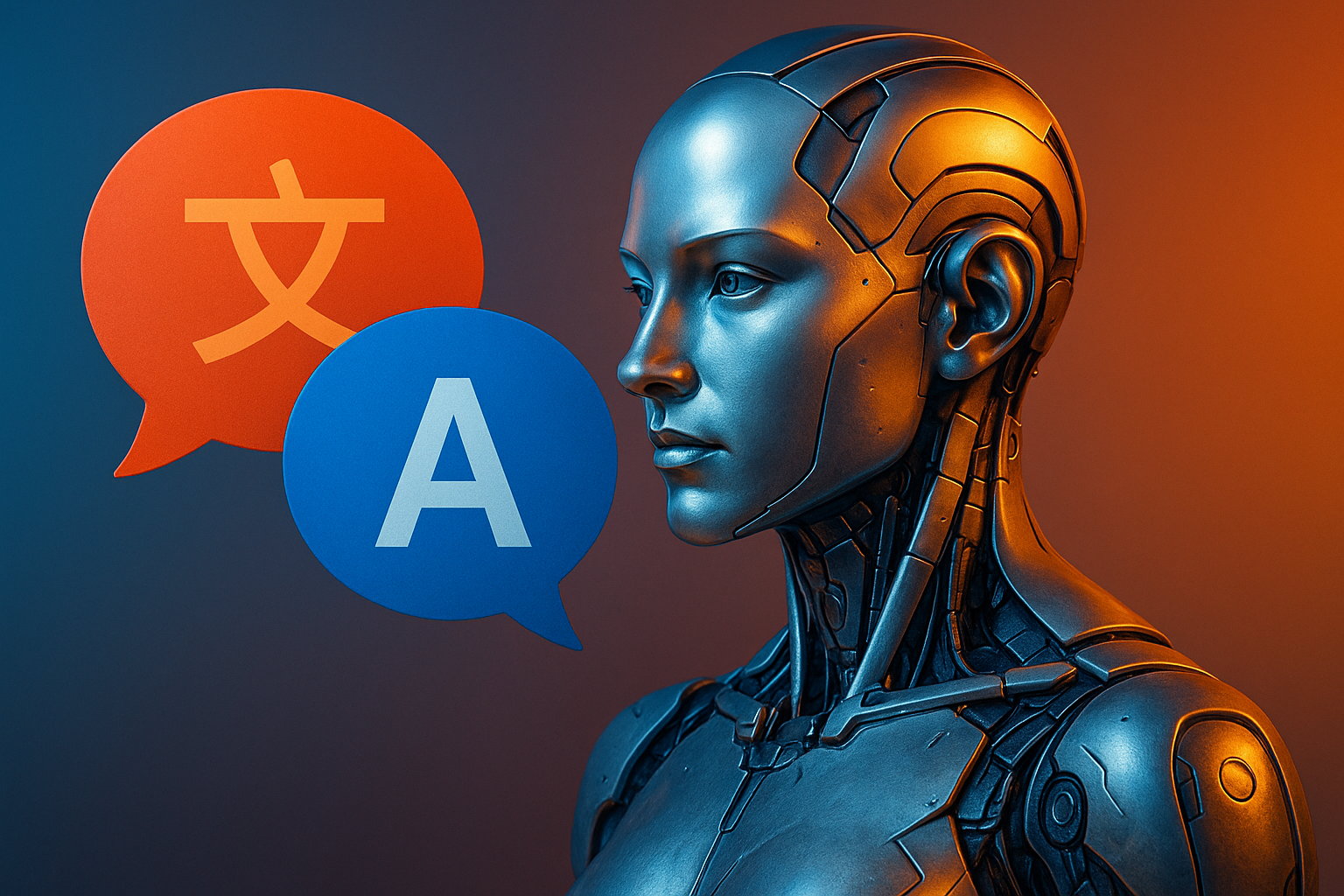
One of the main upgrades is Terminus’s handling of Chinese-English output. Earlier models sometimes produced a confusing mix of the two languages. DeepSeek says this has now been fixed, making it better suited for producing formal bilingual documents such as reports and contracts.
Benchmark scores also show improvements. Its Terminal-bench score, which measures performance on command-line workflows, rose from 31.3 to 36.7. Its BrowseComp score, which tracks tool-use efficiency, jumped nearly 28 percent. The model also posted better results on multilingual coding tests, supporting its use in global software projects.
Other changes include structured tool calling for smoother integration with external apps and a reasoning switch, letting users choose between faster or deeper responses.
Practical uses
DeepSeek says Terminus is designed for tasks where accuracy and automation are key. These include preparing bilingual documents, running complex workflows without human oversight, and fixing software bugs in multilingual codebases.
The model can be accessed through DeepSeek’s app, its API, third-party platforms such as OpenRouter, or downloaded as open-source weights on Hugging Face. It is released under the MIT licence, making it free for both academic and commercial use.
Concerns over censorship
DeepSeek has faced criticism for censorship in earlier models. Tests on the R1 system showed it refused to answer politically sensitive questions about Taiwan or Tiananmen Square. This is linked to Chinese rules requiring AI systems to protect “social harmony”.
Some censorship can be bypassed by running the models outside DeepSeek’s own platforms. However, Wired reported signs of built-in bias that reflect official narratives. Analysts warn this could limit the appeal of the technology, though many businesses using AI for coding or documents may see little impact.
Outlook
By releasing Terminus as open source, DeepSeek has given developers the ability to adapt or attempt to remove restrictions from the model. This could make it more popular globally, while also raising wider questions about bias, regulation and control in artificial intelligence.