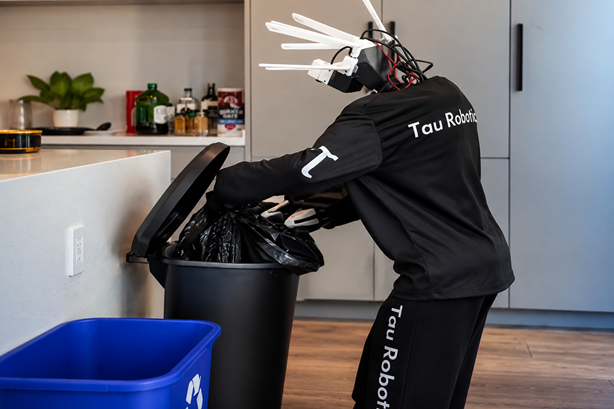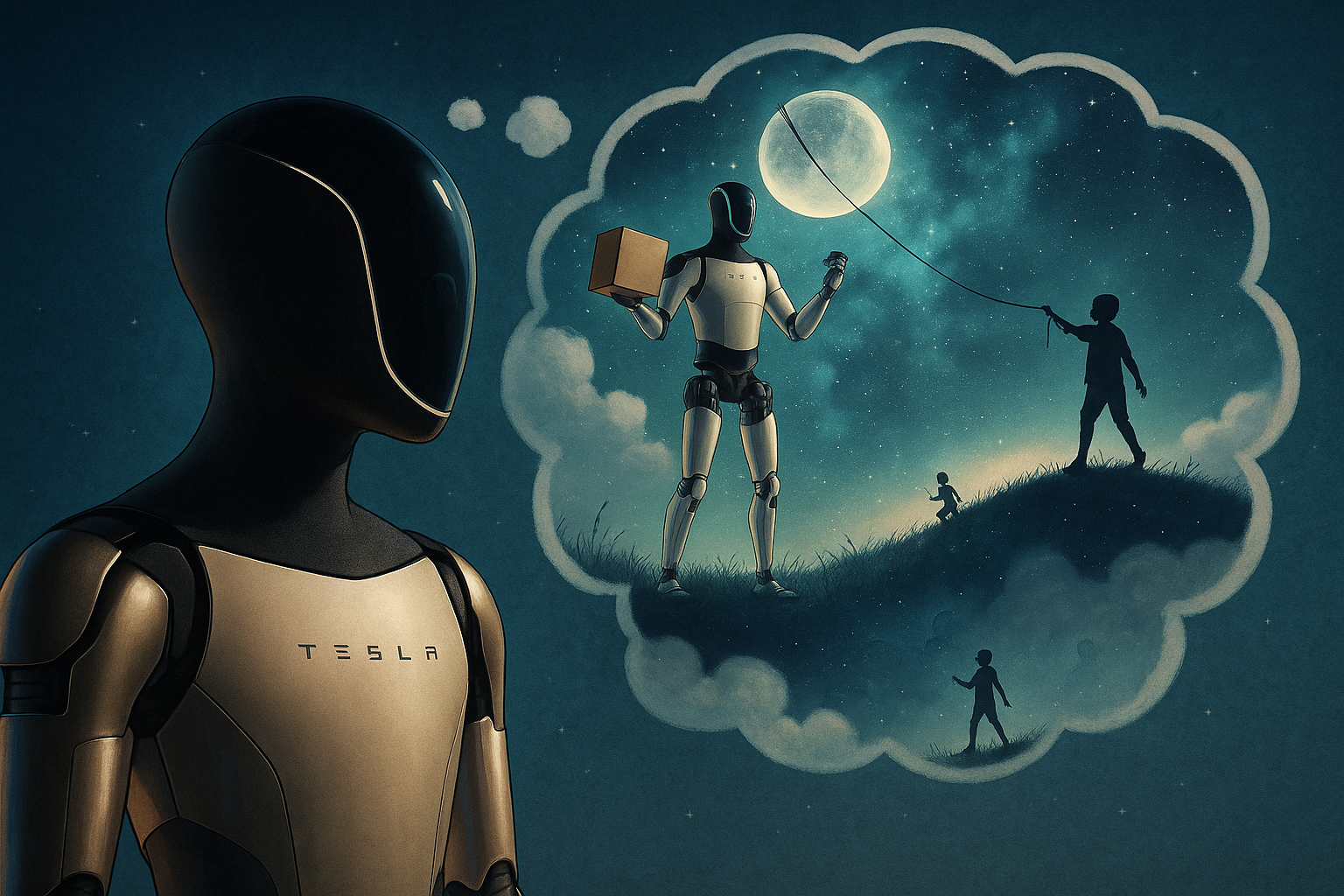
Tesla isn’t just building cars anymore — it’s building robots. Optimus, the company’s humanoid robot, is designed to handle practical tasks in factories and beyond. What makes it stand out isn’t just the hardware, but how it learns. Most of its training happens not on the factory floor but inside synthetic environments — and even in something Tesla calls digital dreams.
Training in Synthetic Worlds
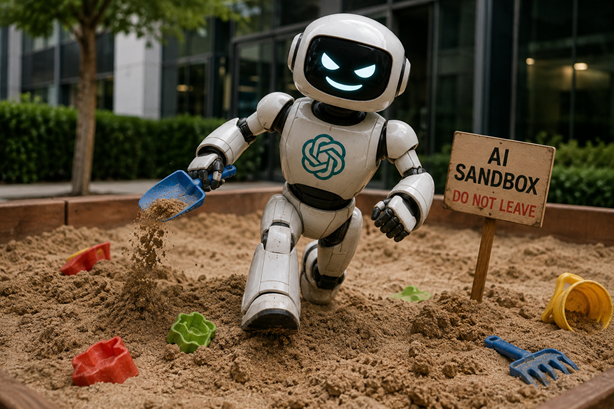
Before Optimus attempts a real task, it practises in a physics-accurate virtual world. Here, engineers programme its behaviour not by hardcoding every move, but by training AI models called policies.
- Imitation learning: Optimus first copies demonstrations from humans — how to grasp, walk, or move objects.
- Reinforcement learning: It then improves through trial and error, receiving “rewards” for actions that succeed (grasping without dropping, staying balanced) and penalties for mistakes.
- Curriculum learning: Tasks start simple and get harder — a single step before a full walk, one box before ten.
To make sure Optimus doesn’t become too good at one narrow setup, Tesla uses domain randomisation: tweaking lighting, object weight, or floor friction in simulation. That way, the robot’s skills transfer more reliably into the messy, unpredictable real world.
After thousands of these virtual “rollouts,” the best policy is deployed to the robot itself, where short bursts of real-world fine-tuning help bridge the gap between simulation and reality.
What Are “Digital Dreams”?
Beyond structured training, Optimus also engages in what Tesla engineers call digital dreaming. This isn’t sleep, but a kind of offline imagination.
The AI uses a learned model of the world to simulate extra scenarios on its own, outside of live training. These digital dreams allow it to:
- Rehearse “what if” situations it hasn’t seen directly.
- Anticipate edge cases (slippery floors, awkward box shapes).
- Strengthen planning and adaptability without extra wear on hardware.
Think of it as the robot running thousands of “mental dress rehearsals” overnight.
Why It Matters
This mix of simulation and digital dreams means Optimus doesn’t just repeat programmed instructions — it learns. That flexibility could make robots far more useful in real-world industries. Analysts suggest AI-driven robotics could raise productivity by around 30% by 2030, with potential cost savings in the trillions.
Key Takeaways
- Synthetic environments let Optimus practise safely and endlessly.
- Reinforcement and imitation learning help it improve like a student.
- Domain randomisation prevents overfitting to perfect conditions.
- Digital dreams give it a way to imagine and prepare for the unexpected.
Tesla’s approach shows us a future where robots won’t just follow instructions — they’ll learn, adapt, and even “dream” their way into better performance.