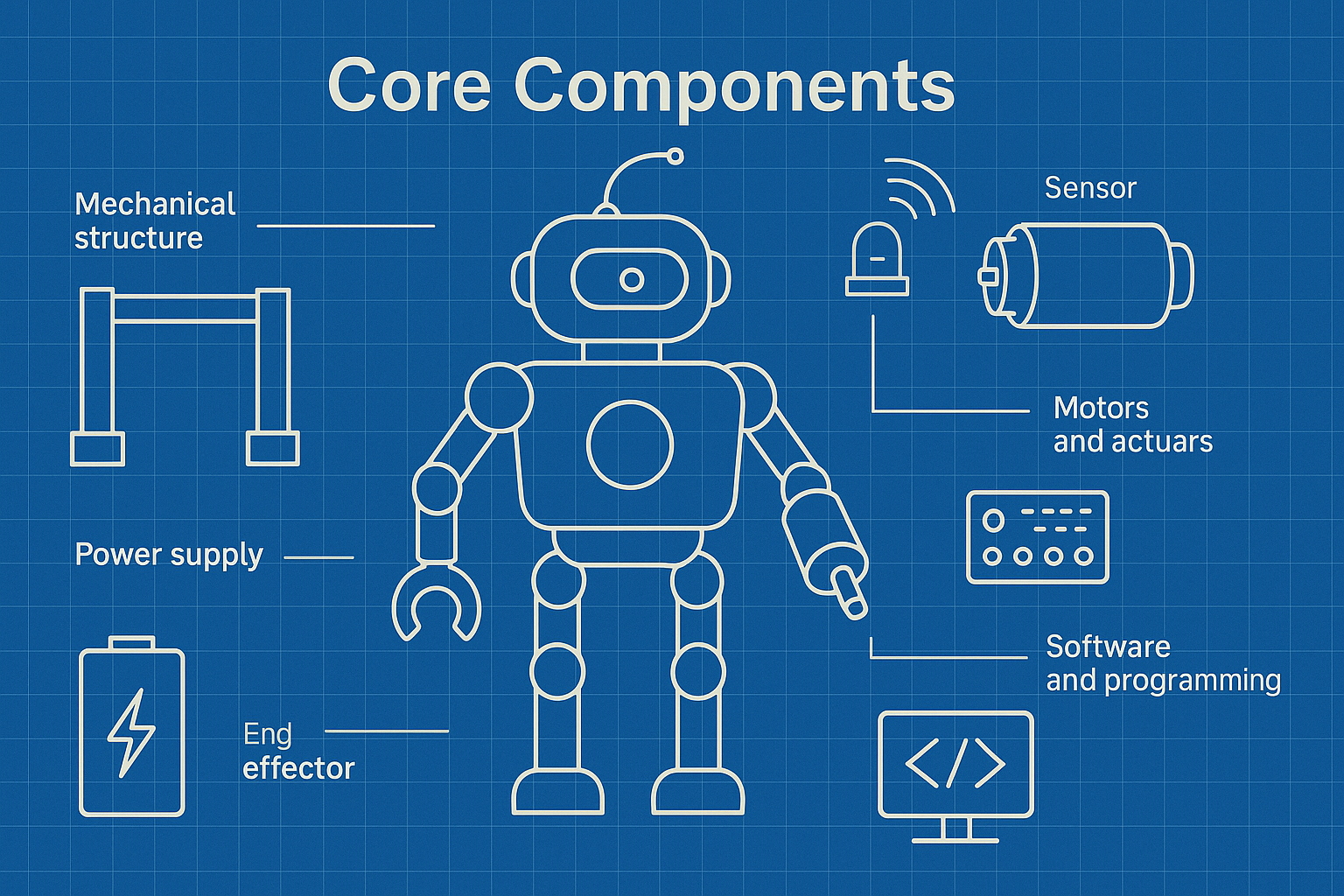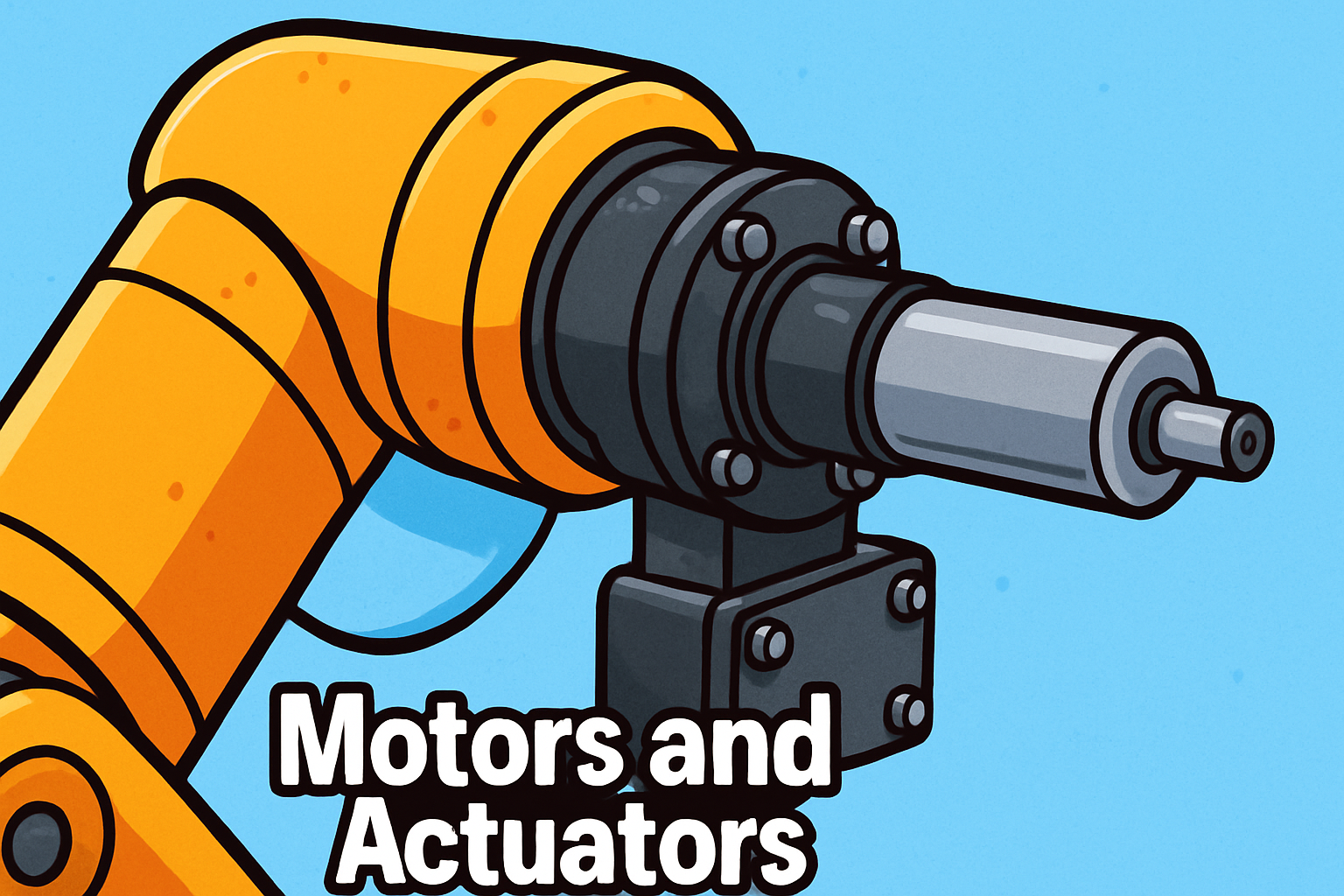
Motors and actuators are the parts that turn energy into motion. They’re the reason machines can move, lift, rotate, or push. From toys and appliances to factory robots and heavy machinery, these components are everywhere. Let’s explore the most common types in simple terms.
Stepper Motors
A stepper motor moves in small, precise steps instead of spinning freely. It’s often used in 3D printers, CNC machines, and printers.
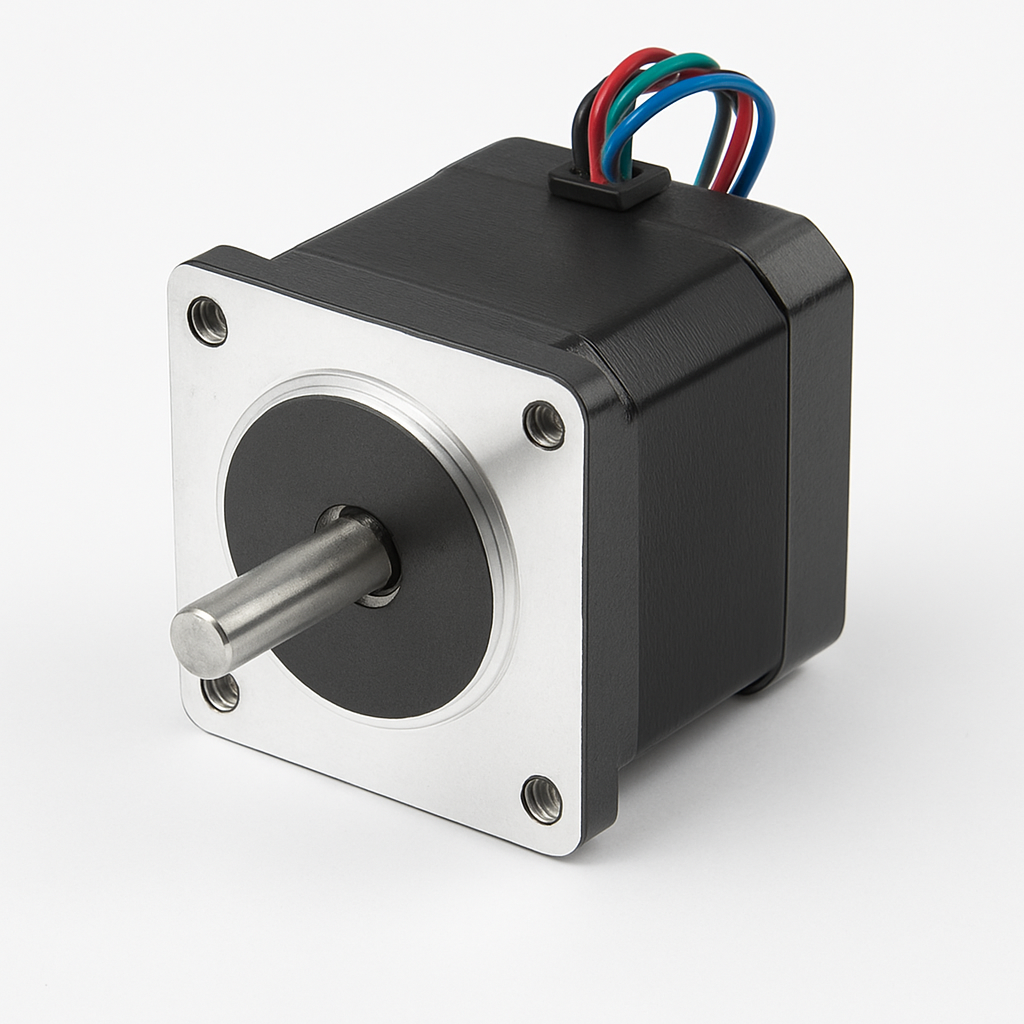
- Strengths: Precise positioning, easy to control, good for low-speed tasks.
- Limitations: Not very powerful, can lose steps if overloaded, may vibrate at certain speeds.
Induction Motors
Induction motors are common in industry and run on alternating current (AC). They power fans, pumps, and conveyor belts.
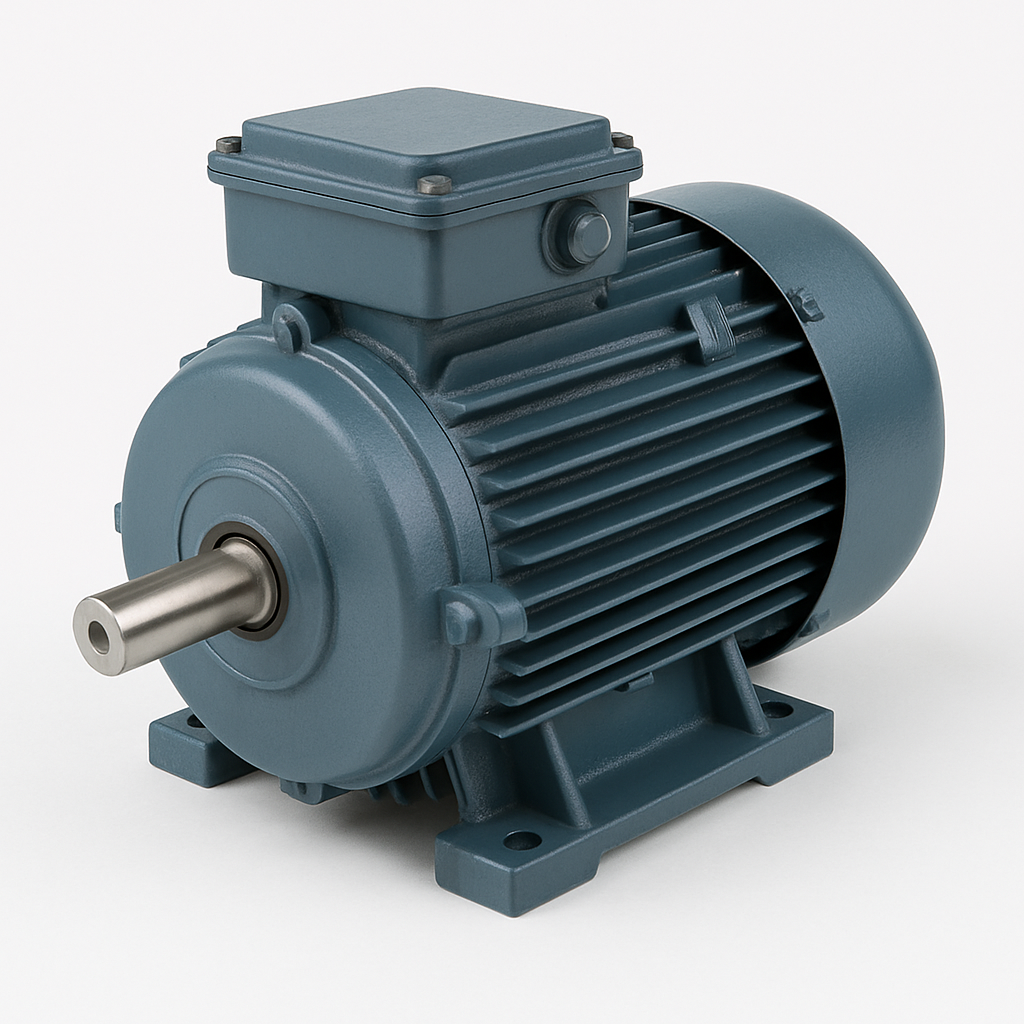
- Strengths: Durable, efficient, low maintenance, handles heavy loads well.
- Limitations: Harder to control speed without extra electronics, usually bigger and heavier.
DC Motors
DC motors run on direct current. They’re found in toys, small appliances, and electric vehicles.
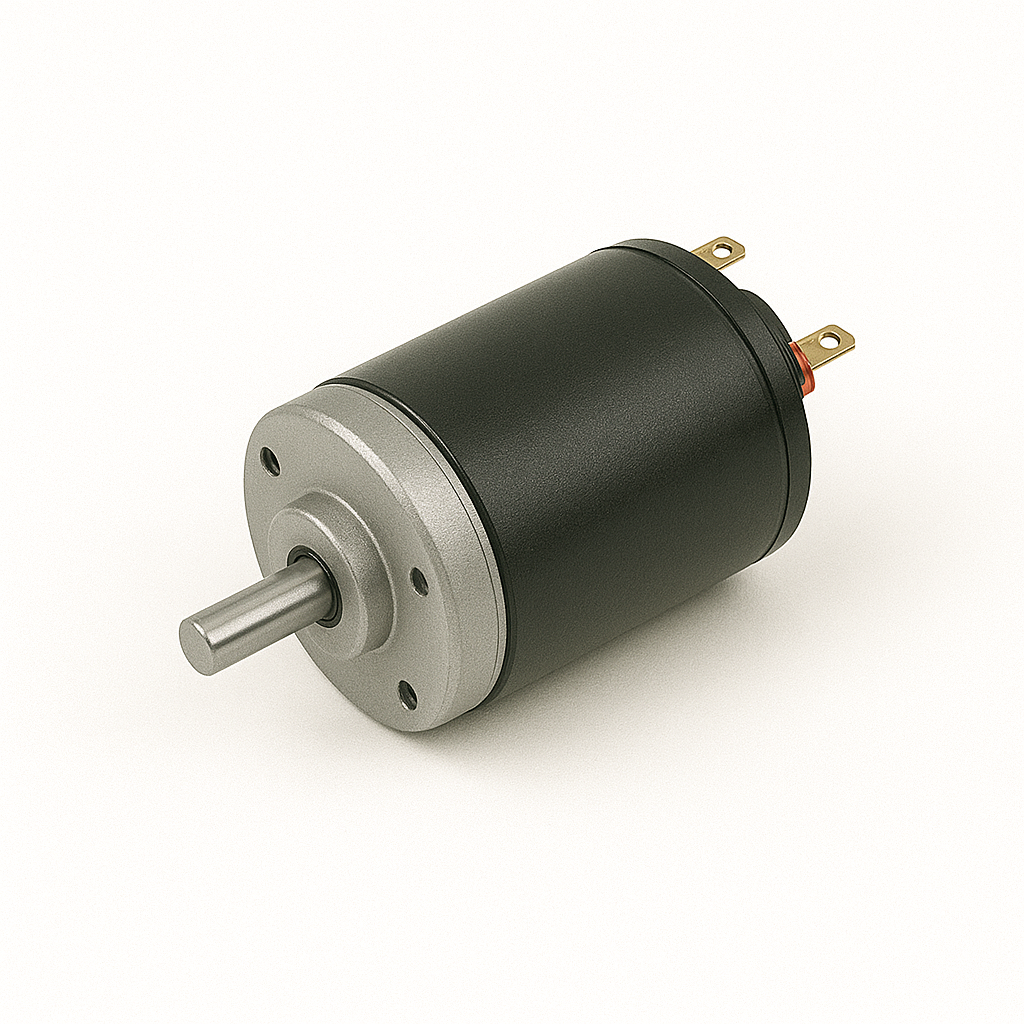
- Strengths: Simple to use, easy to control speed and direction, compact.
- Limitations: Brushed versions wear out; brushless ones need more complex control.
Servo Motors
A servo motor combines a motor with sensors and control electronics, allowing very precise movement to set positions. Common uses include robotics, model planes, and camera gimbals.
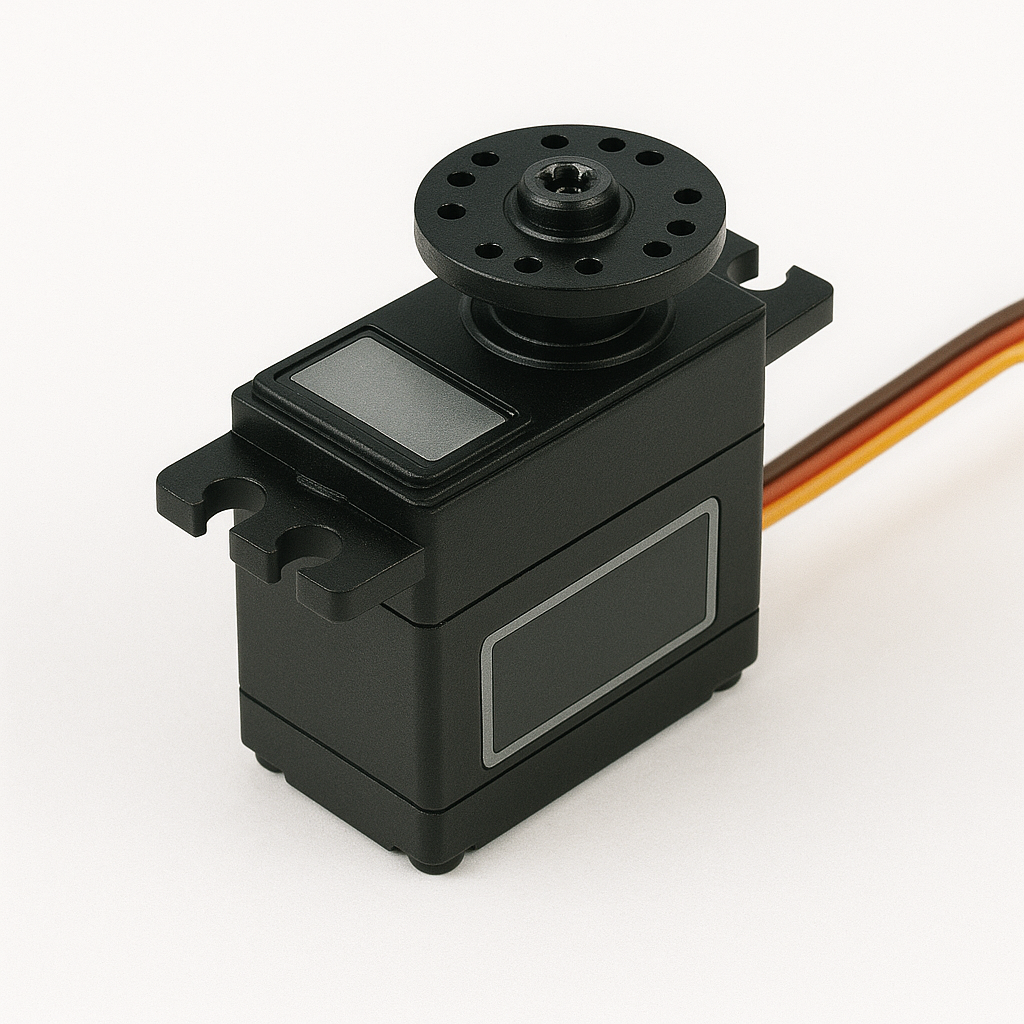
- Strengths: High precision, can hold positions firmly, ideal for automation.
- Limitations: Often limited to part-rotation, less powerful than larger motors.
Hydraulic Actuators
Hydraulic actuators use pressurised liquid to move. They’re found in cranes, diggers, and aircraft.
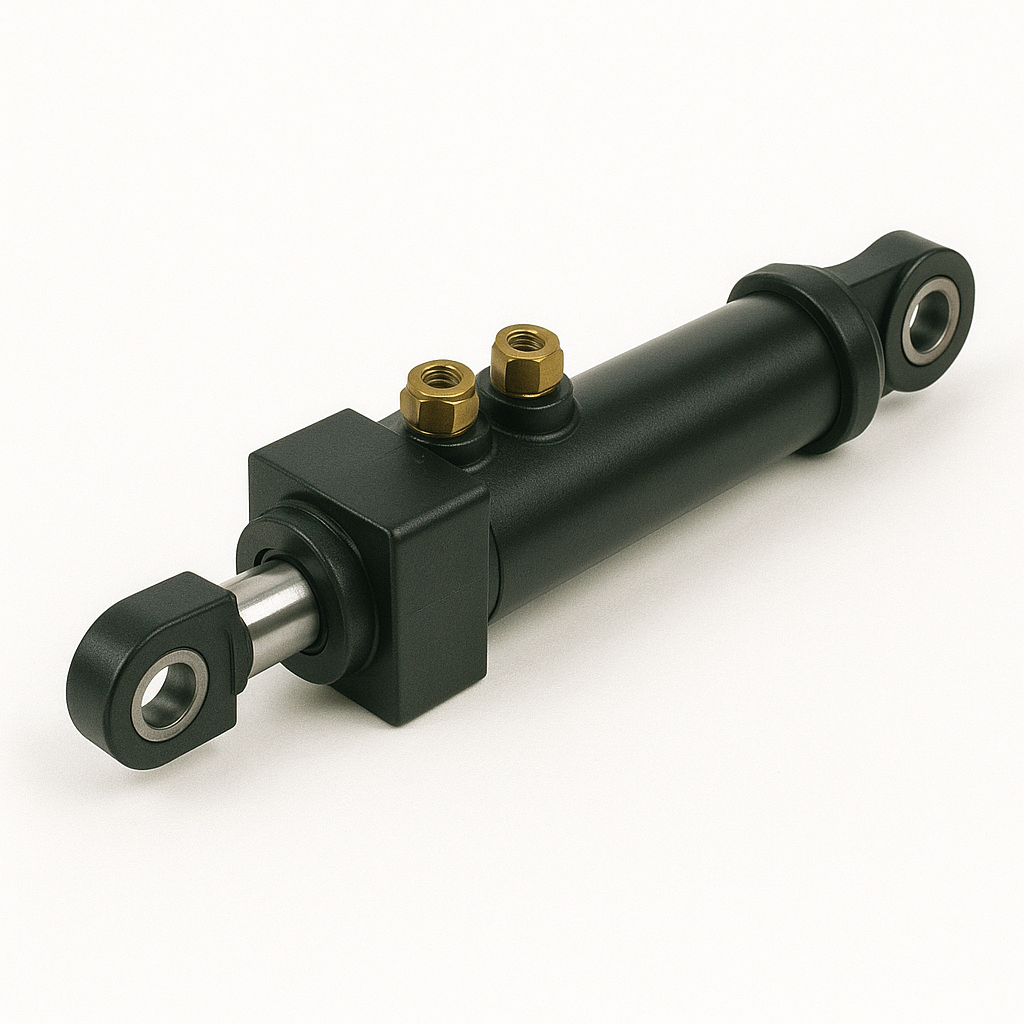
- Strengths: Extremely powerful, reliable in harsh environments.
- Limitations: Require pumps and pipes, risk of leaks, not suitable for delicate tasks.
Pneumatic Actuators
Pneumatic actuators use compressed air. They’re common in factory machinery, air tools, and bus doors.
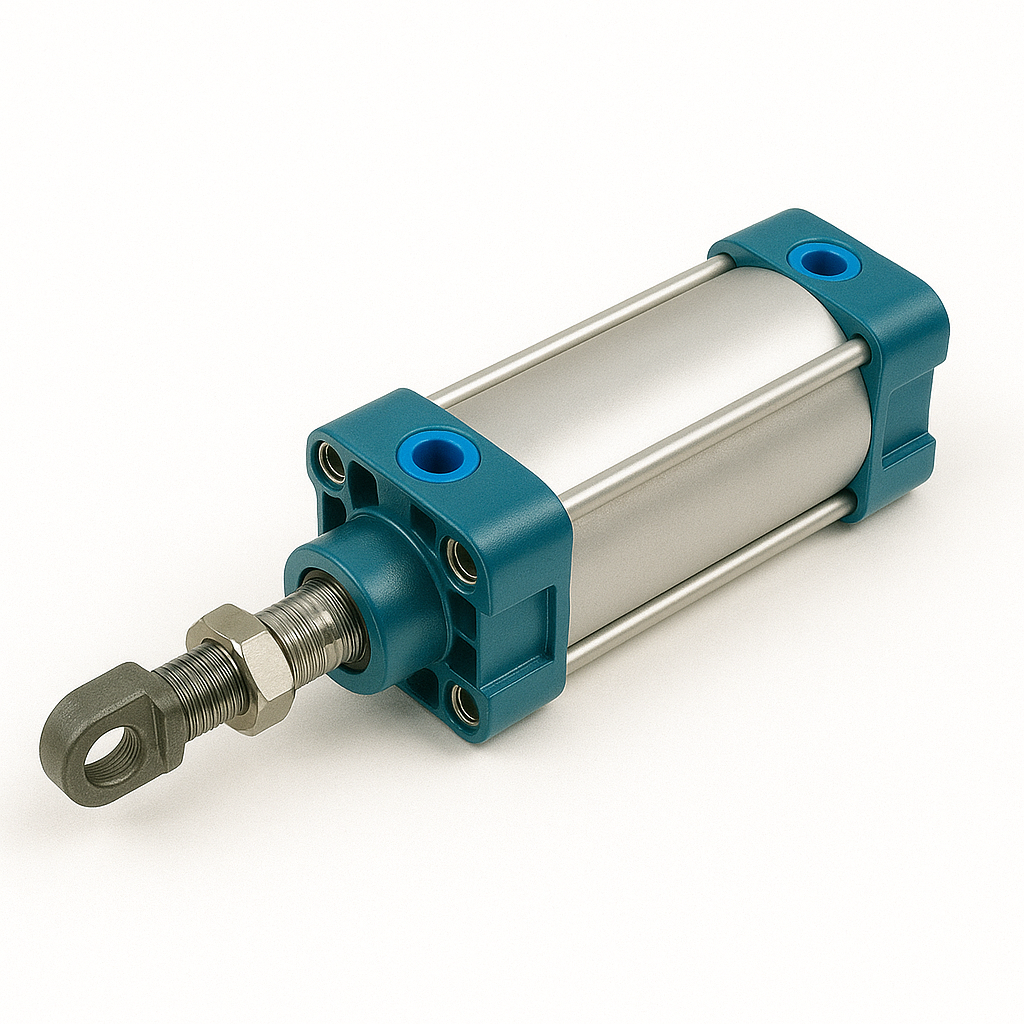
- Strengths: Clean, fast, lightweight, safe.
- Limitations: Not very precise, weaker than hydraulics, need a constant air supply.
Piezoelectric Actuators
Piezoelectric actuators use special materials that change shape slightly when electricity is applied. The movement is tiny but extremely precise.
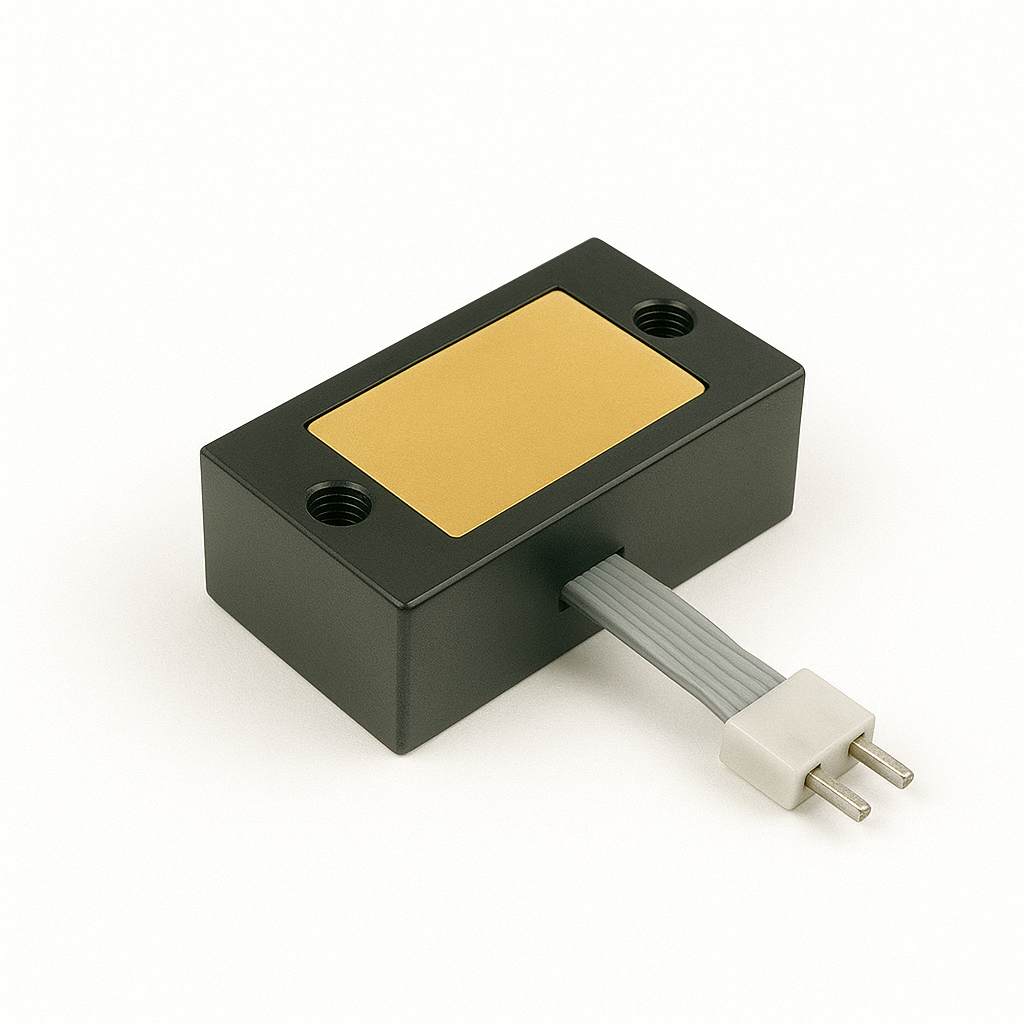
- Strengths: Ultra-precise, fast response, works at very small scales.
- Limitations: Only tiny movements, expensive, not suitable for heavy loads.
Linear Actuators
Not all actuators rotate like motors. A linear actuator creates movement in a straight line. They can be electric (motor with screw drive), hydraulic (fluid pressure), or pneumatic (compressed air).
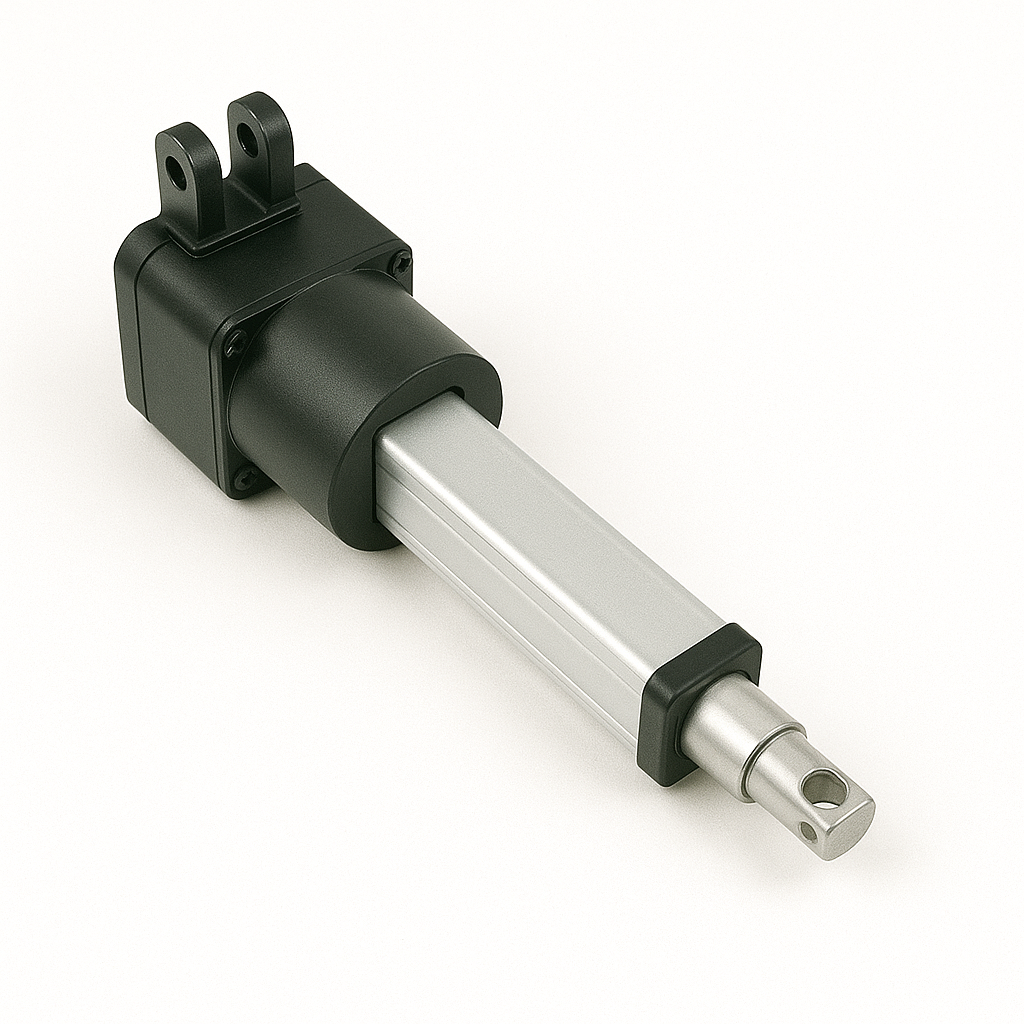
- Strengths: Provide controlled straight-line motion, adaptable for many uses.
- Limitations: Force and precision vary depending on type.
Comparison Table
| Type | Strengths | Limitations | Common Uses |
|---|---|---|---|
| Stepper Motor | Precise, easy to control, good at low speed | Low power, may lose steps, vibration | 3D printers, CNC machines, printers |
| Induction Motor | Durable, efficient, heavy load capable | Harder speed control, bulky | Fans, pumps, conveyor belts |
| DC Motor | Simple, easy speed/direction control | Brushed wear out, brushless need control | Toys, small appliances, electric vehicles |
| Servo Motor | High precision, position control | Limited rotation, less powerful | Robotics, drones, camera gimbals |
| Hydraulic Actuator | Very powerful, reliable in tough settings | Needs pumps/pipes, risk of leaks | Cranes, diggers, aircraft controls |
| Pneumatic Actuator | Clean, fast, lightweight, safe | Not precise, less force, needs air supply | Factory automation, air tools, bus doors |
| Piezo Actuator | Ultra-precise, fast, microscopic movement | Tiny range, costly, not strong | Medical tools, microscopes, fine instruments |
| Linear Actuator | Straight-line motion, flexible in design | Power/precision depends on type | Standing desks, hospital beds, robotics |
Final Thoughts
Each motor or actuator has a role, from tiny piezo devices in microscopes to huge hydraulic cylinders in construction machines. The right choice depends on whether you need accuracy, power, speed, or simplicity. Once you know the basics, it’s easier to see how machines around us come to life.