Beijing, August 2025 – Forget sprinters and gymnasts, this summer it was robots taking to the track. China has just hosted the world’s first Humanoid Robot Games, nicknamed the “Robot Olympics,” and it was every bit as entertaining (and occasionally clumsy) as you’d imagine.
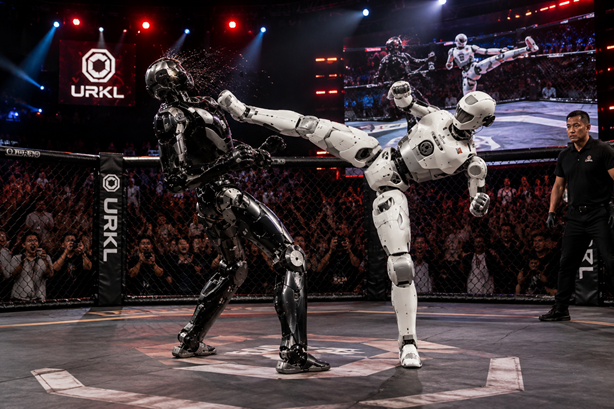
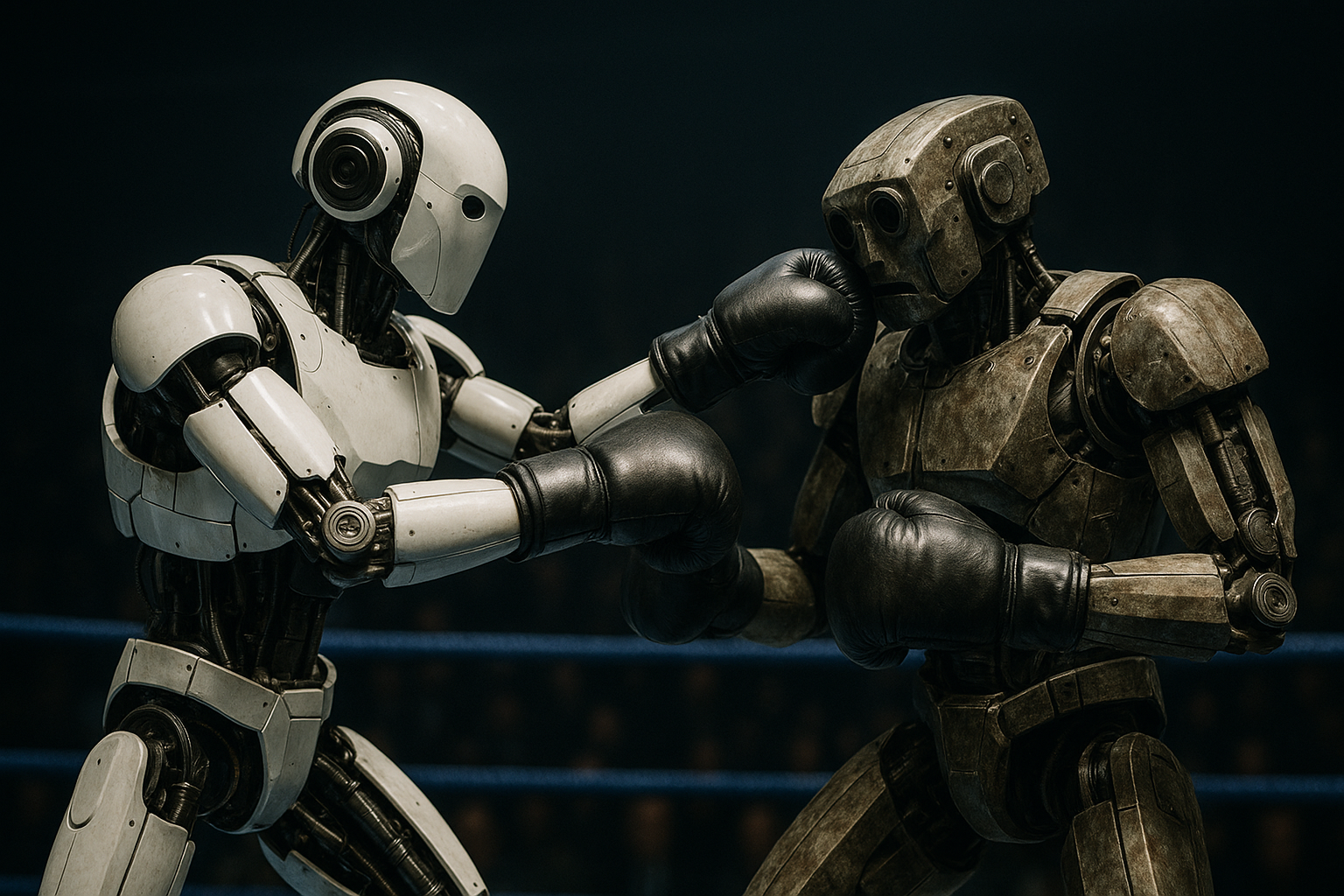
Over 500 humanoid robots from 280 teams across 16 countries descended on Beijing for three days of competition at the Bird’s Nest stadium and the Ice Ribbon arena, famous venues from the 2008 and 2022 Olympics. The events ranged from the sporty to the surreal: sprinting, hurdles, football, boxing, cleaning, and even music performances (Times of India).
Gold Medals… and Graceful Falls
China’s homegrown stars stole the show. Unitree Robotics walked away with 11 medals, including four golds for their H1 humanoid, which blitzed the 400-metre dash, 1,500-metre run, hurdles, and relay. Rival team X-Humanoid were close behind, claiming 10 medals, including victories in the 100-metre sprint and a materials-handling event designed to mimic factory work (SCMP).
But while some robots soared, others… well, flopped. Literally. The opening ceremony saw a dancing troupe of bots charm the crowd until a couple toppled face-first on stage. On the track, machines lost arms, stumbled mid-stride, or simply froze, forcing human helpers to drag them off. One headline from the New York Post gleefully described it as “humanoid machine face-plants at China’s inaugural Robot Olympics.”
And yet, the audience loved it. Each tumble drew laughs, applause, and a sense of “go on, you can do it!” that you’d normally reserve for toddlers learning to walk or marathoners hitting the wall.
Why It Matters
Behind the comedy value, the Games served a serious purpose. Testing robots in public competition helps engineers refine agility, balance, and coordination under pressure. As one German team member told Smithsonian Magazine: “If we try something and it doesn’t work, we lose the game. That’s sad but better than investing a fortune in a failed product.”
For China, the event was also strategic. The country sees humanoid robotics as a way to address workforce shortages and boost global tech leadership. Showcasing robots sprinting, boxing, and even tidying up is a light-hearted way to highlight serious research. The South China Morning Post noted that the medal table mirrored Beijing’s ambitions: domestic champions leading the pack with international challengers close behind.
What’s Next?
The inaugural World Humanoid Robot Games will not be a one-off. Organisers have already confirmed the event will return in August 2026 (Wikipedia). Expect even faster sprinters, sturdier boxers, and perhaps fewer dramatic nose-dives, though secretly, we all hope for at least a few.
Final Whistle
So, what did we learn from the world’s first Robot Olympics? Robots may be able to run marathons, kickbox, and even dance, but they are just as likely to trip over their own feet in front of thousands. And that is exactly why the Games worked: part cutting-edge science showcase, part slapstick comedy.
Would you cheer for the medal-winning machines, or just grab popcorn and watch the tumbles?