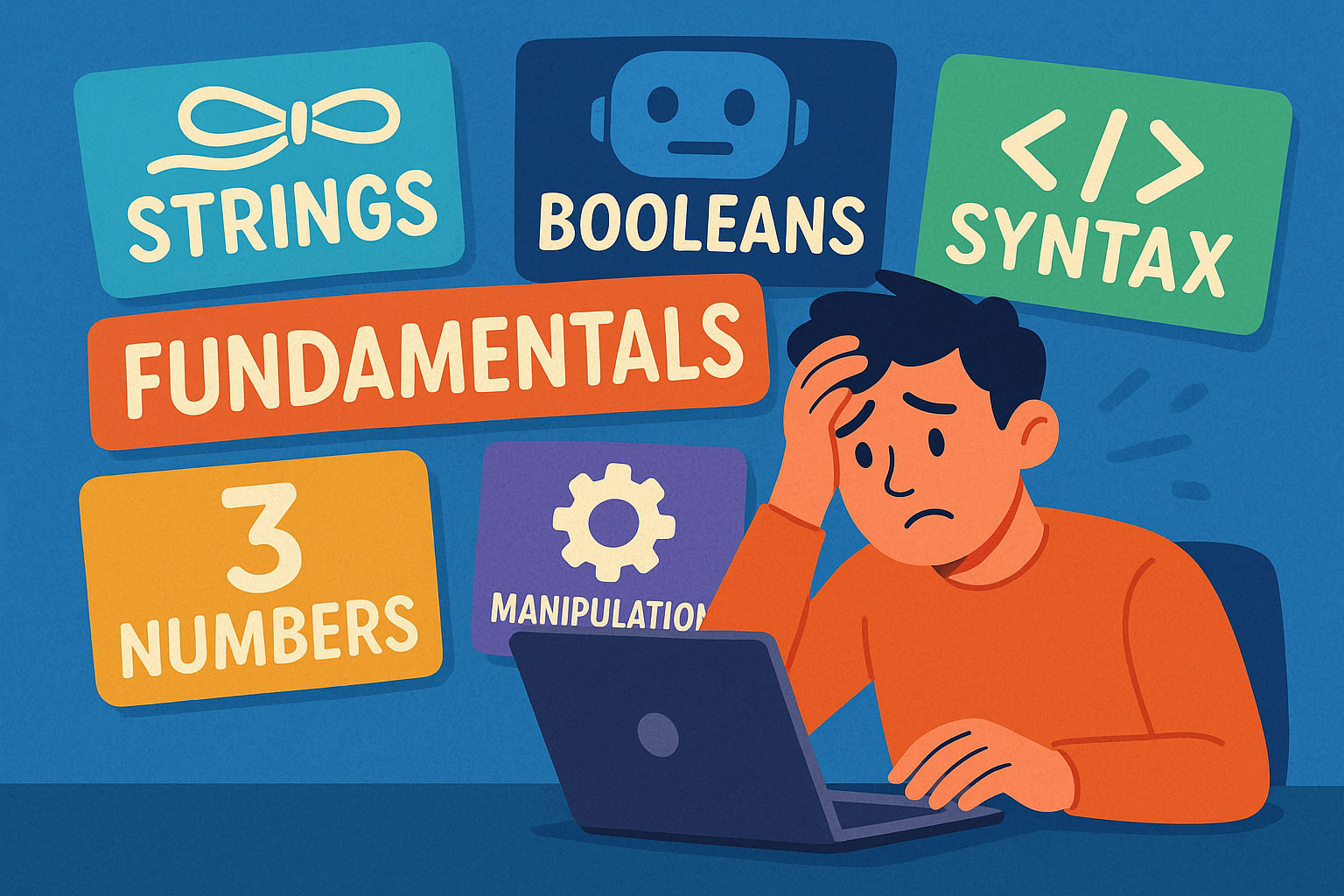
When you first start learning Python you will quickly see terms like strings, booleans, syntax, numbers, and string manipulation. This may look like a long list, but these are simply the basic building blocks that make up almost everything in Python.
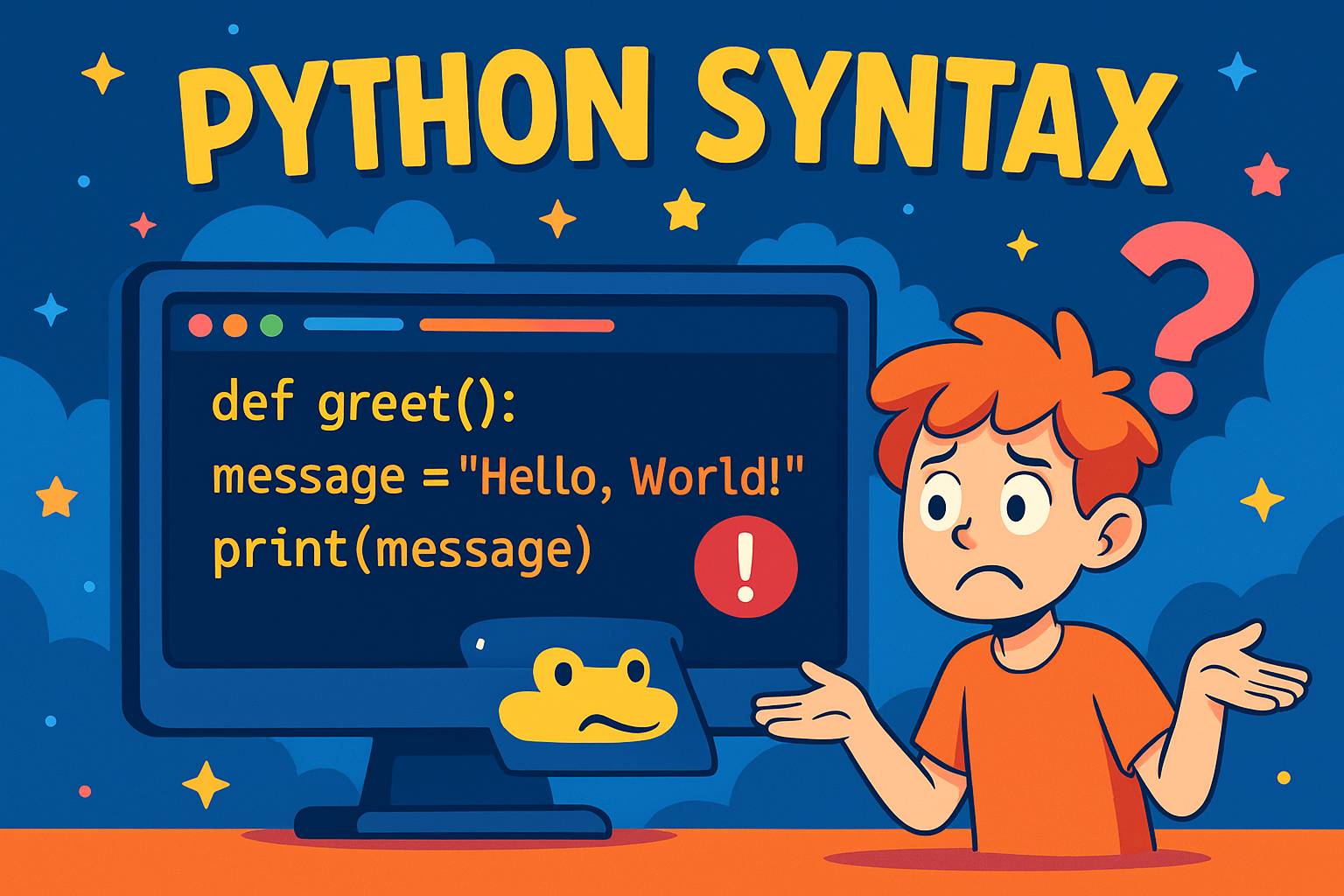
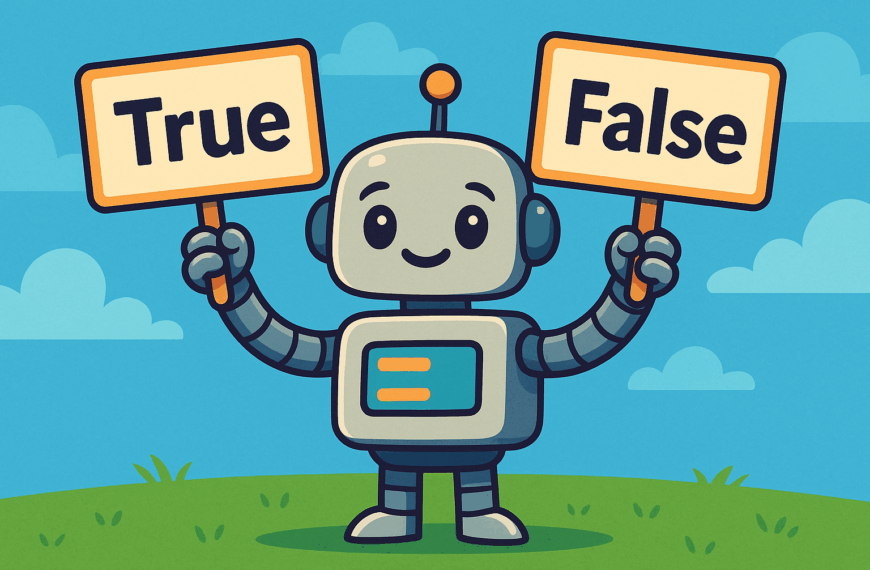
Strings are pieces of text, such as names or sentences, and are used whenever you want to work with words. Booleans are very simple values: either True or False. They are important because they let your program make choices and decisions. Syntax is the set of rules that Python follows to understand your code. Just like grammar in English, it feels unusual at first, but becomes natural with practice.
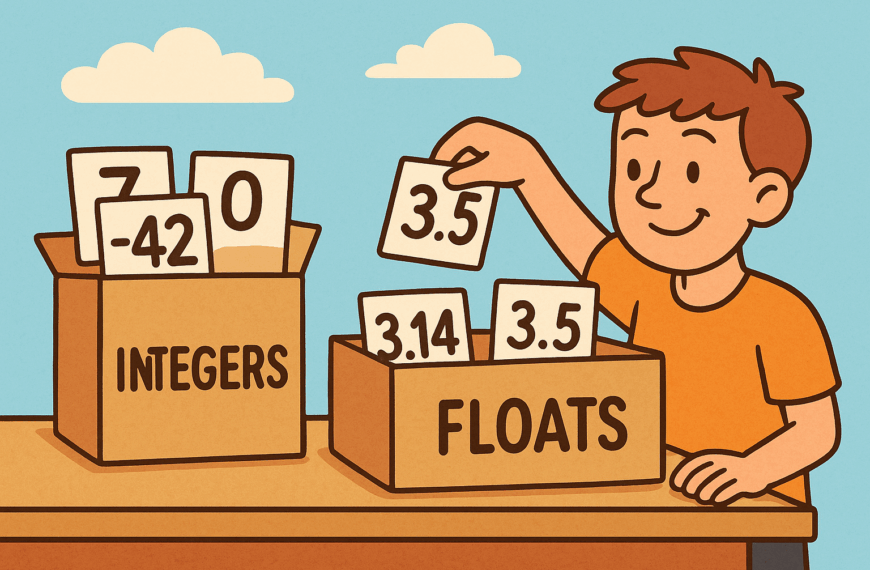
Numbers in Python are either whole numbers (integers) or decimal numbers (floats). You use them for calculations, scores, money, and measurements. Finally, string manipulation means changing or adjusting text, such as making it uppercase, trimming spaces, or replacing one word with another.
You do not need to remember everything at once. Programming is about problem solving, not memorisation. If you forget something, you can always check your notes or look it up. With practice, these fundamentals will become second nature.