When you think of robots, you might picture factory arms, warehouse helpers, or even surgical assistants. Despite their differences, all robots are built from the same set of essential components. Understanding these parts is the first step to understanding how robots work.
Robots aren’t just machines that move; they are systems where energy, intelligence, and mechanics come together. Each component has a unique role, and together they create the balance needed for reliable, productive performance.
The Seven Building Blocks of a Robot
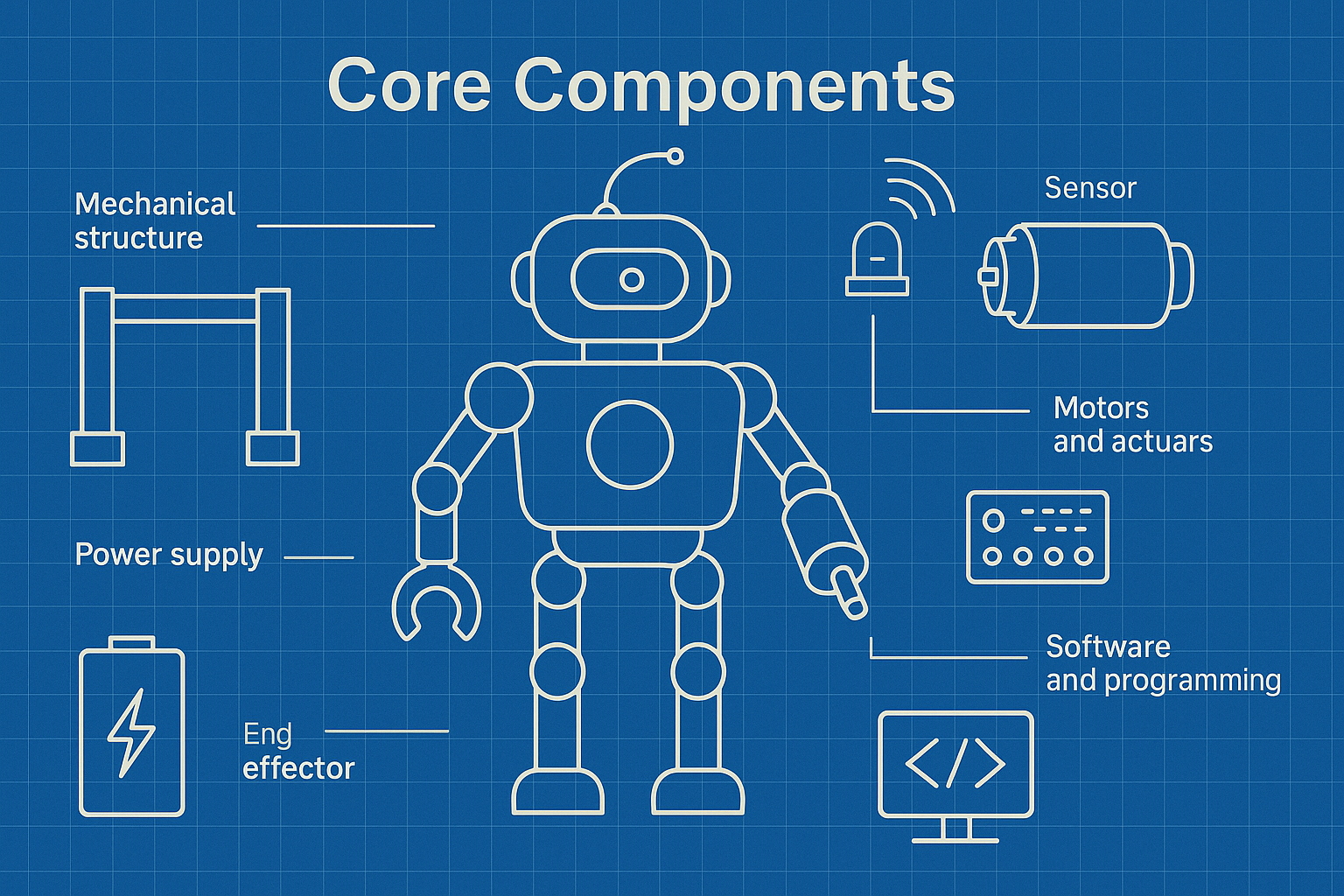
Every robot relies on seven key components:
- Power supply – the energy source that keeps the robot running.
- Software and programming – the logic that defines how it behaves.
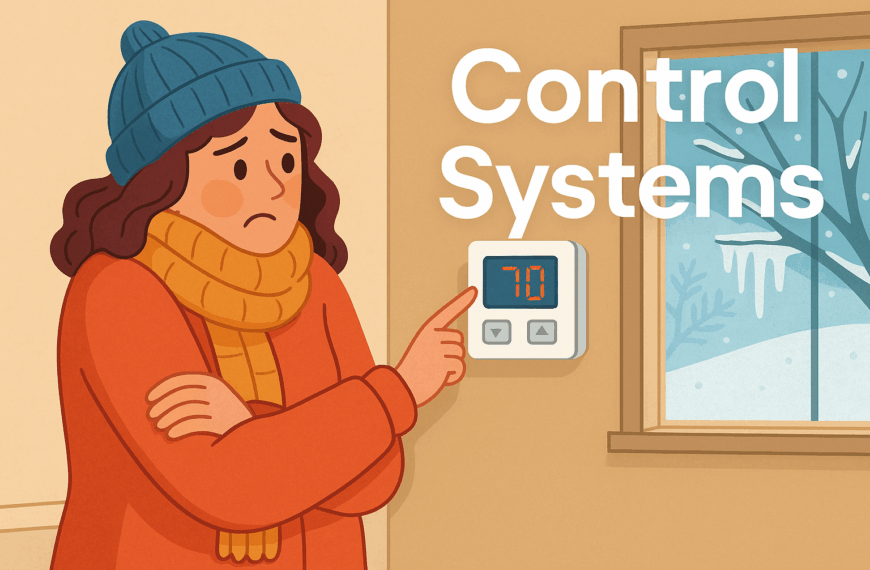
- Control system – the brain that processes information and sends instructions.
- Sensors – the senses that detect the world around it.
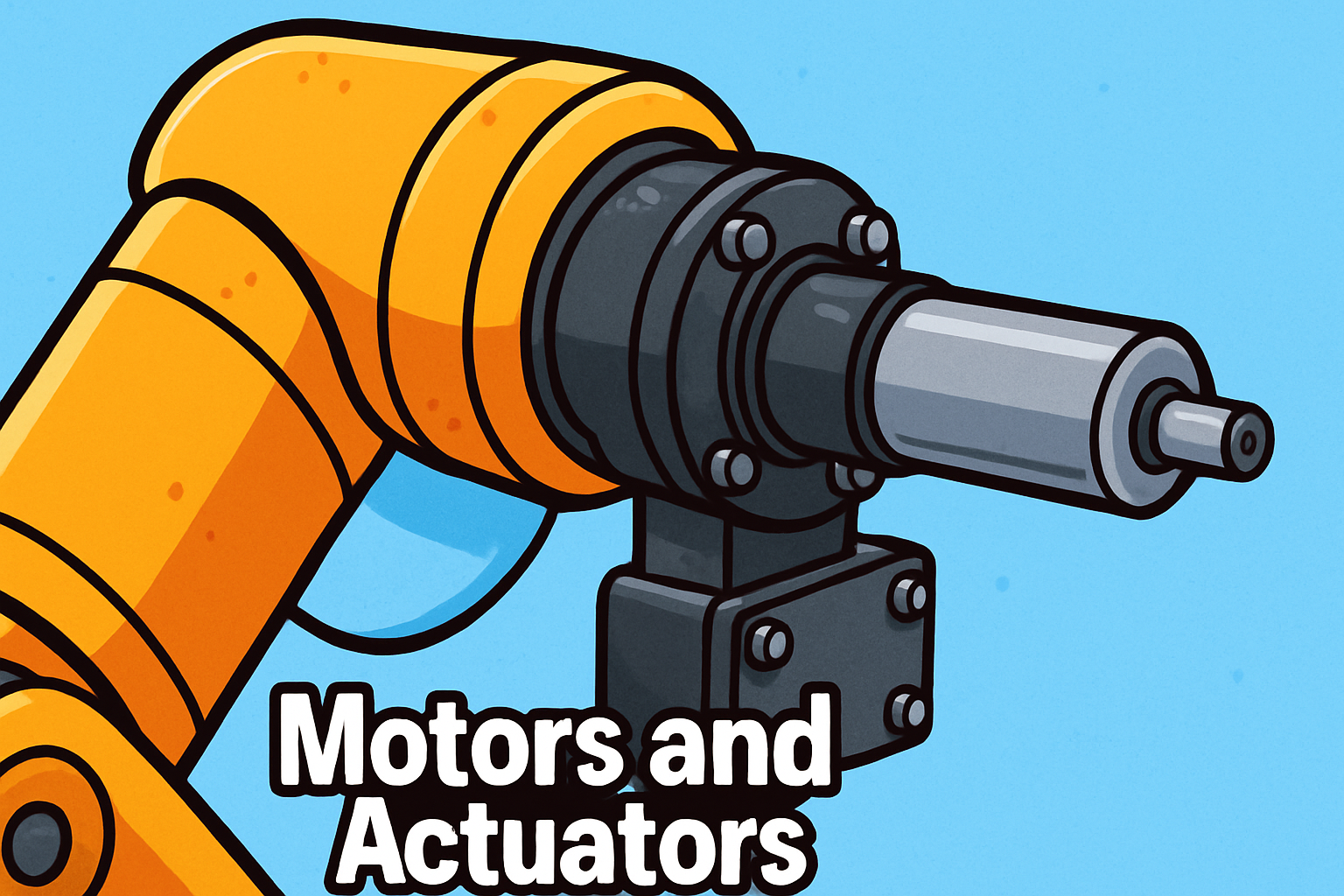
- Motors and actuators – the muscles that create movement.
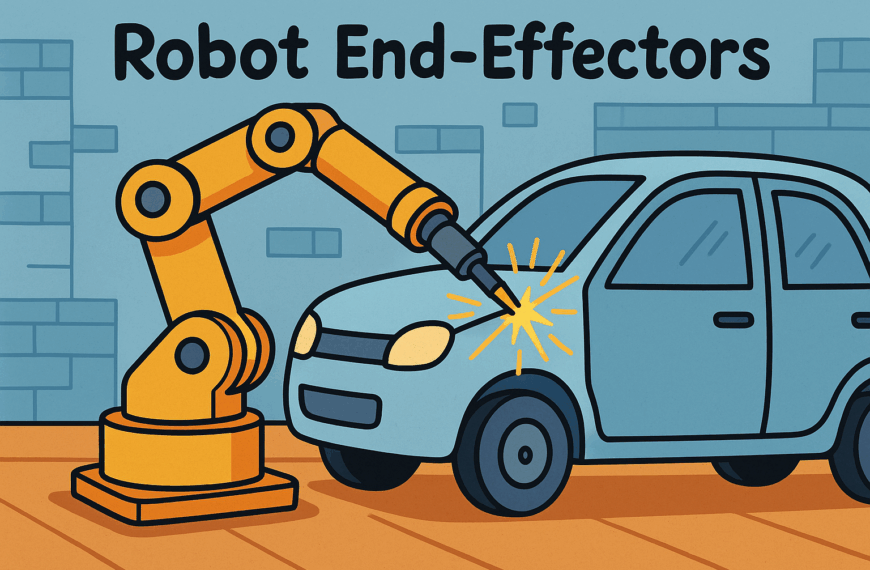
- End effectors – the hands or tools that do the actual work.
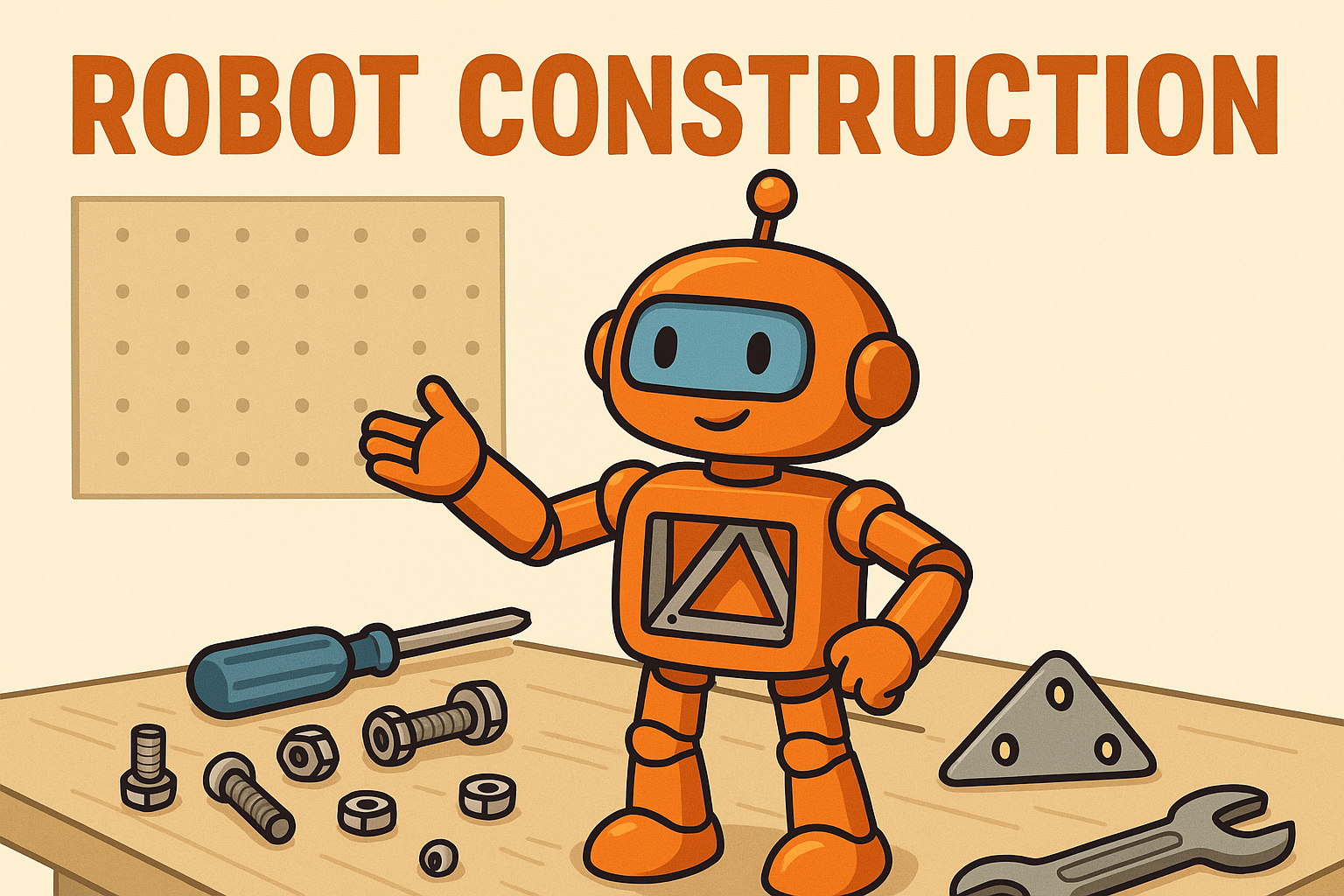
- Mechanical structure – the body or frame that holds everything together.
These parts might sound simple on their own, but combined, they allow robots to complete tasks with speed, precision, and adaptability.
Why These Components Matter
Each component plays a specific role:
- Without power, a robot can’t even start.
- Without sensors, it can’t understand its surroundings.
- Without software, it wouldn’t know what to do next.
This interdependence makes robotics fascinating. It’s not about one part being more important than another—it’s about how well they work together.
Robots Today and Tomorrow
In today’s world, robots are already common in manufacturing, healthcare, logistics, and research. They can weld cars, move parcels, perform delicate surgeries, and even collaborate safely with people on the factory floor.
Looking ahead, advances in AI, smarter sensors, and modular designs are pushing robots beyond simple automation. They are becoming adaptive, intelligent systems capable of working alongside humans in more complex and unpredictable environments.
In Summary
Robots may seem futuristic, but their foundation is surprisingly straightforward. By combining energy, logic, sensing, and mechanics, they achieve tasks that range from heavy lifting to delicate precision.
Whether you’re studying robotics for the first time or just curious about how they work, remembering the seven core components—power, software, control, sensors, motors, end effectors, and structure—gives you a clear picture of what makes a robot a robot.